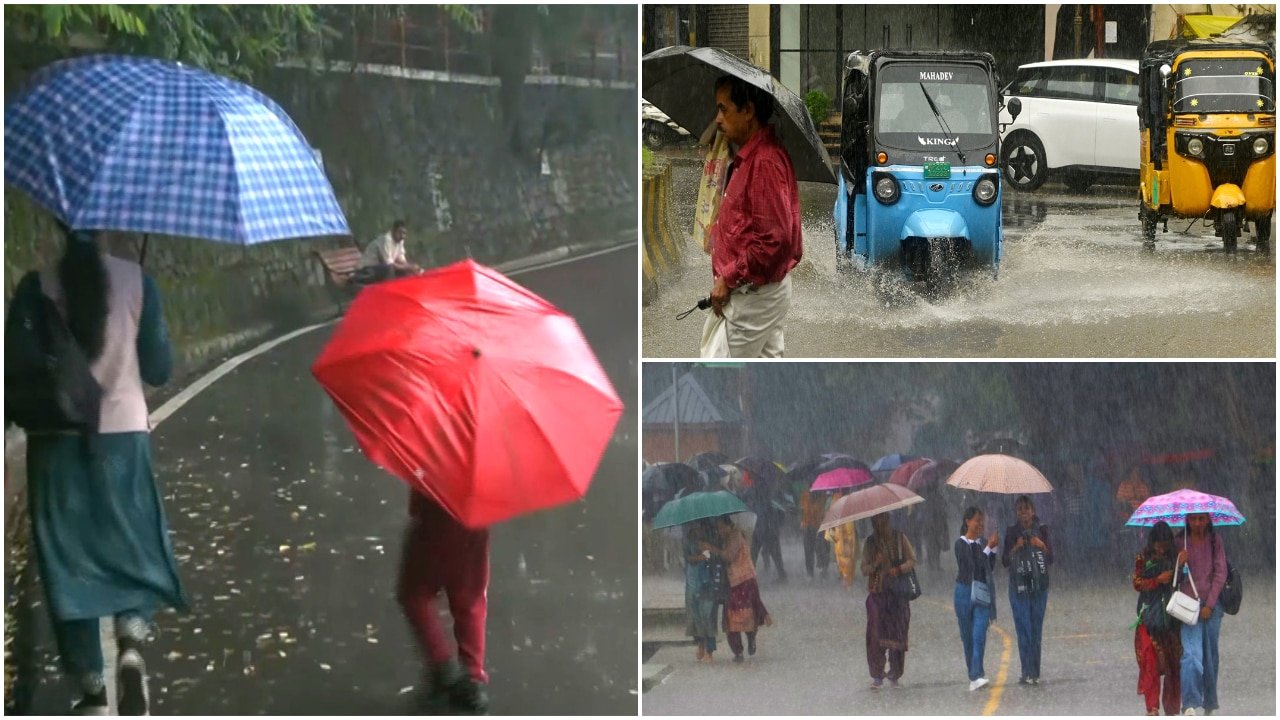
Monsoon Intensification: IMD Issues High-Alert Warnings Across Key Agricultural Belts
The India Meteorological Department (IMD) has officially signaled a significant shift in monsoon activity, forecasting an intense spell of rainfall expected to sweep across large swathes of the country. This active phase of the southwest monsoon is set to bring heavy to very heavy precipitation, triggering alerts for state disaster management authorities and agricultural departments alike. As moisture-laden winds converge over the subcontinent, the meteorological shift promises to alter the landscape for millions, ranging from rural farming communities to transit networks in hilly terrains.
Geographic Scope: Tracking the Rainfall Path
The current weather system is exhibiting a multi-regional impact, with the IMD identifying distinct zones of concern. The immediate focus remains on eastern and central India, where low-pressure systems are currently fueling widespread atmospheric instability. Odisha and Chhattisgarh stand at the epicenter of this surge, with meteorological models predicting concentrated, high-intensity downpours within the next 24 hours. These regions, which serve as vital hubs for paddy cultivation, are braced for significant water accumulation as the monsoon trough remains positioned favorably for heavy precipitation.
Beyond the plains, the focus is shifting toward the Himalayan foothills. The IMD has indicated that as the weather system tracks northward, Uttarakhand and the broader Himalayan region will experience a marked intensification of rainfall later this week. This shift is particularly concerning due to the topography of the region, where heavy rains frequently lead to soil saturation, increasing the risk of flash flooding and landslides. For travelers and logistics providers, this signals a period of high vulnerability, as mountain passes and arterial roads often face temporary closures during such climatic events.
Infrastructure and Safety Protocols
The meteorological department’s warnings emphasize the risk of localized flooding in low-lying areas, particularly those with poor drainage infrastructure. In urban and peri-urban centers within the affected states, the sudden influx of water is expected to overwhelm drainage systems, leading to potential waterlogging. Authorities have advised the public to remain vigilant, keep a close watch on real-time weather updates, and avoid non-essential travel through regions under red or orange alerts.
For those navigating the transit corridors in the Himalayan belt, the warning is more stringent. Travelers are urged to consult local district administration advisories before embarking on journeys, as road connectivity remains subject to sudden disruption. The combination of heavy rainfall and rugged terrain creates a volatile environment where visibility is reduced and the structural integrity of transit routes can be compromised by debris flow and mudslides.
What This Means for Farmers
For the agricultural sector, this intense monsoon spell presents a classic double-edged sword. While the rainfall is critical for replenishing reservoirs and ensuring soil moisture for kharif crops, the timing and intensity of these downpours are crucial factors for long-term yield projections.
- Crop Management: Farmers in Odisha and Chhattisgarh must prioritize field drainage. Standing water, while beneficial for paddy in specific growth stages, can lead to root rot and nutrient leaching if it persists for too long. Ensuring that field outlets are clear is the most urgent task for the next 48 hours.
- Soil Erosion Prevention: In hilly regions, particularly Uttarakhand, heavy rains pose a severe risk of topsoil erosion. Farmers with terraced fields should inspect embankments for signs of weakening. Implementing temporary vegetative buffers can help stabilize slopes against the kinetic energy of intense rainfall.
- Pest and Disease Monitoring: High humidity and consistent rainfall create an ideal breeding ground for fungal pathogens and bacterial blights. Once the immediate storm passes, producers should prepare for rapid scouting of fields. Proactive, preventative applications of fungicides may be necessary if the wet spell persists, as high moisture levels often accelerate the spread of crop-damaging diseases.
- Economic Preparedness: Market logistics are likely to face temporary bottlenecks due to transit disruptions. Farmers are advised to assess their harvest storage and inventory levels. If transport routes are forecasted to be blocked, prioritizing the protection of harvested produce from moisture damage is essential to prevent post-harvest loss.
Ultimately, while the monsoon is the lifeblood of Indian agriculture, its erratic behavior requires constant adaptation. By staying aligned with IMD updates and focusing on field-level water management, the farming community can mitigate the risks posed by this intense weather event and capitalize on the moisture replenishment it provides for the remainder of the season.