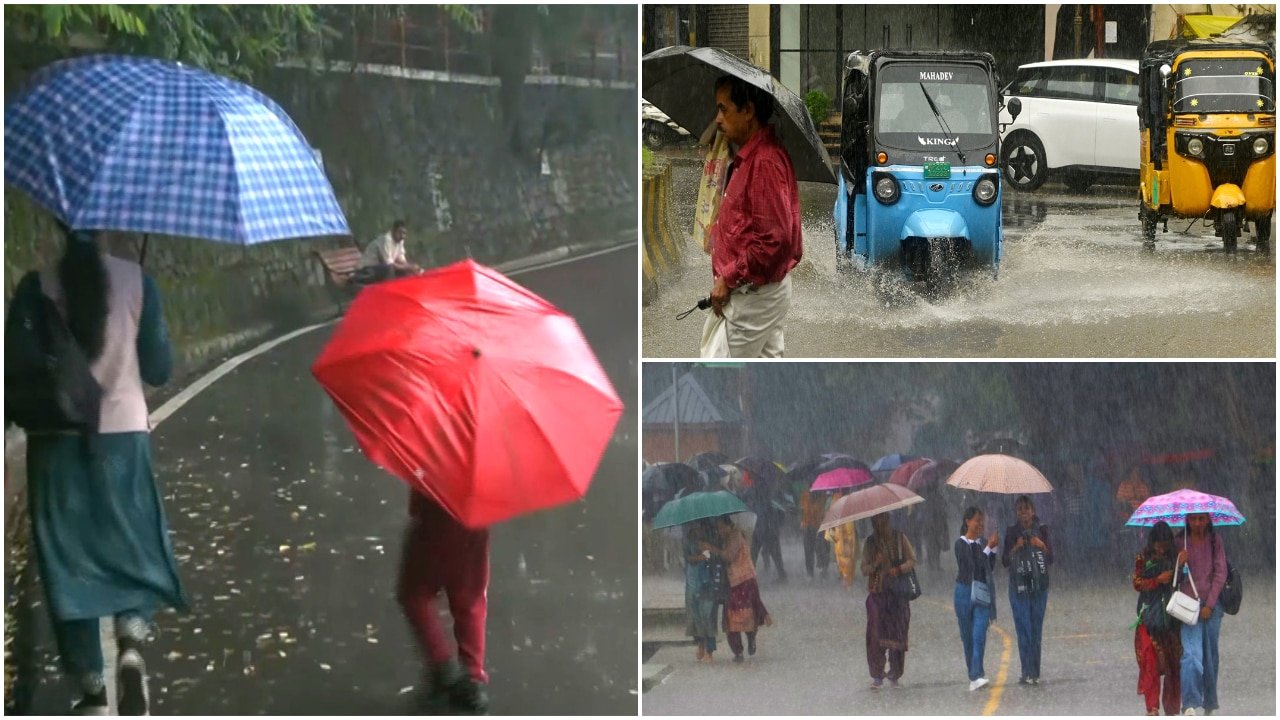
Monsoon Uncertainty: Navigating Potential School Closures Amidst Heavy Rainfall Alerts
As the Indian monsoon season reaches a period of intense activity, families across several states are bracing for potential disruptions to the academic calendar. With the India Meteorological Department (IMD) issuing persistent heavy rainfall alerts for July 31, a wave of uncertainty has emerged regarding the status of schools. While the monsoon is a vital component of the nation’s agricultural cycle, the associated weather extremes often necessitate swift precautionary measures to ensure the safety of students and staff during transit.
The decision-making process for school closures is decentralized, resting firmly in the hands of district administrations. These local authorities are tasked with continuously monitoring real-time weather data, regional flood risks, and the integrity of local infrastructure. As the IMD continues to track low-pressure systems and moisture-laden winds, parents and students are urged to remain vigilant for official notifications, which are typically disseminated through district collector offices or local educational boards on the eve of the expected weather events.
Evaluating Regional Weather Risks and Administrative Protocols
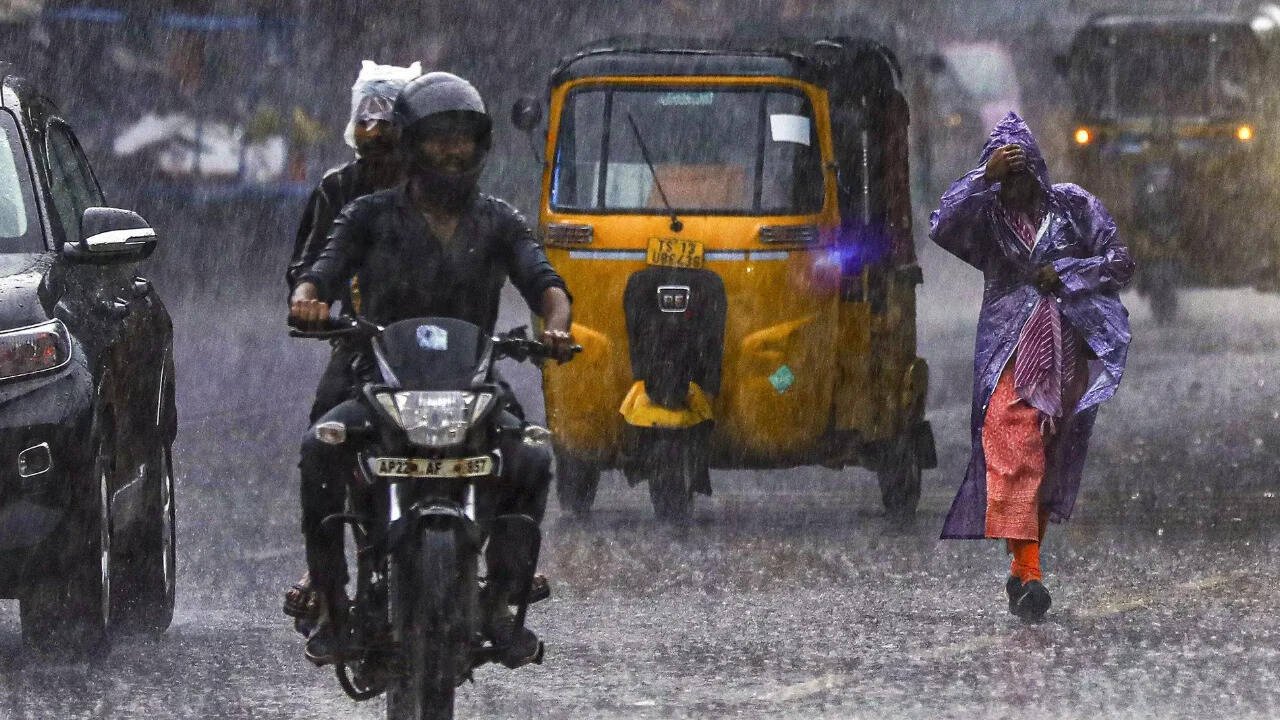
The IMD’s current forecast indicates that several states are likely to experience significant precipitation, characterized by heavy to very heavy rainfall. Such weather patterns frequently lead to waterlogging, reduced visibility, and challenges in transportation networks, which are primary factors influencing the closure of educational institutions. When rainfall exceeds safety thresholds, district magistrates exercise their authority to declare a "rain holiday," a measure designed to prevent the risks associated with daily commutes during severe storm conditions.
In addition to weather-related closures, the academic calendar for July 31 is also influenced by scheduled observances. For instance, the state of Punjab has already confirmed a pre-announced holiday in observance of Martyrdom Day. This existing closure provides a degree of certainty for families in that region, contrasting with the fluid nature of the situation in other areas where closures remain entirely dependent on the evolving meteorological conditions. The complexity of managing these dual factors—seasonal weather unpredictability and pre-existing holiday schedules—requires a high degree of coordination between regional meteorological centers and civil administration.
The Intersection of Meteorology and Public Safety
The methodology used by district administrations to arrive at a closure decision is rigorous. Officials cross-reference IMD forecasts with the specific susceptibility of their district to landslides, flash floods, or infrastructural failure. In many cases, the decision is not announced until late in the evening, as administrators aim to balance the necessity of public safety with the goal of minimizing disruptions to the curriculum. This creates a challenging environment for parents who must arrange for childcare or adjust work schedules on short notice.
Furthermore, the impact of heavy rainfall extends beyond the classroom. The monsoon's intensity can affect school bus routes, public transit, and the safety of walking paths. By prioritizing the safety of the student population, local authorities aim to mitigate the risks of road accidents or exposure to environmental hazards. As the IMD warning remains in effect, communication channels—including official government websites, social media handles of district magistrates, and local news broadcasts—are the most reliable sources for verified information regarding school operations for July 31.
What This Means for Farmers
While students and parents monitor the news for school closures, the agricultural sector views these heavy rainfall alerts through a different lens. For the farming community, the ongoing monsoon activity is a double-edged sword that carries both economic and agronomic implications:
- Moisture Management: Persistent heavy rain can lead to waterlogging in low-lying fields. Farmers are advised to ensure that drainage channels are cleared to prevent root rot and the leaching of essential soil nutrients, which can compromise crop yields.
- Pest and Disease Pressure: High humidity and excess moisture create an ideal environment for the proliferation of fungal diseases and certain pest populations. Increased vigilance and the timely application of prophylactic measures are critical during periods of intense rainfall.
- Harvesting and Logistics: For farmers in regions where harvesting or post-harvest operations are ongoing, the IMD alerts serve as a warning to secure stored produce in moisture-controlled environments and to delay any field activities that require heavy machinery, which could cause significant soil compaction in saturated fields.
- Strategic Planning: The volatility of the monsoon underscores the importance of climate-resilient farming practices. Farmers should coordinate with their local Krishi Vigyan Kendra (KVK) for advice on managing crop health during extreme weather events and to stay updated on agricultural advisories that align with the latest meteorological data.