Weather Disruptions Loom: District Authorities Monitor Heavy Rainfall Risks
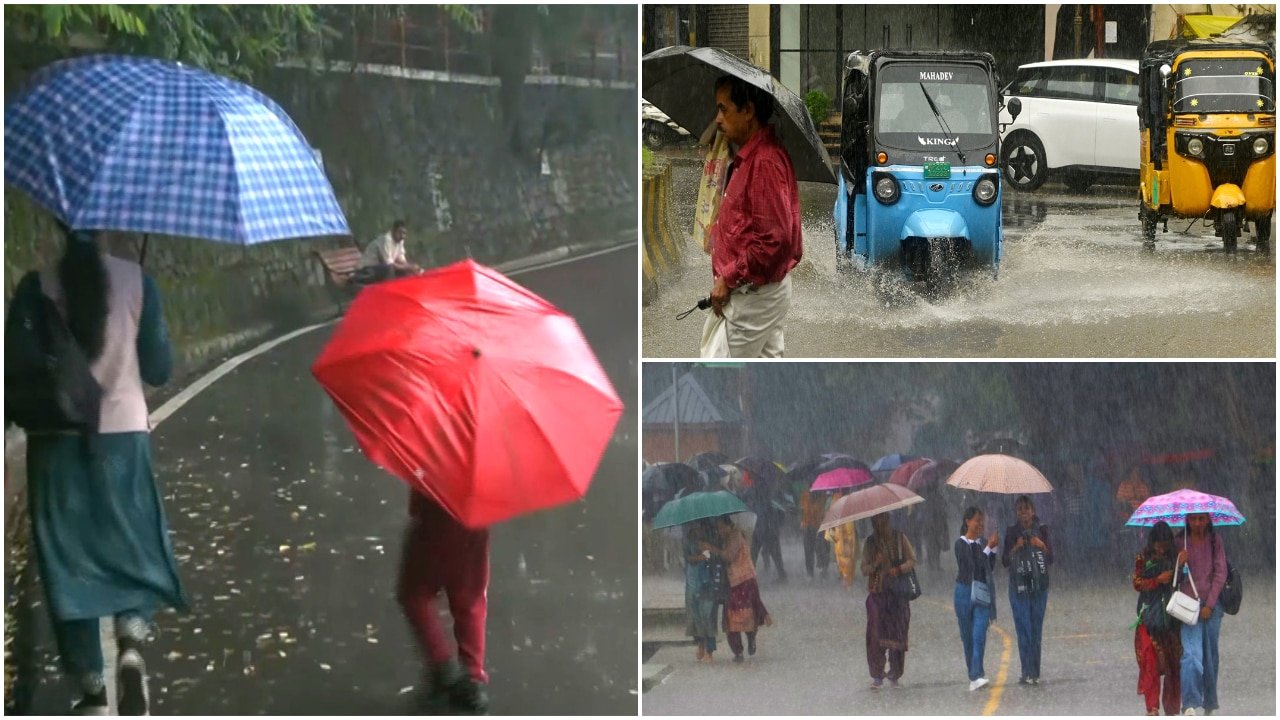
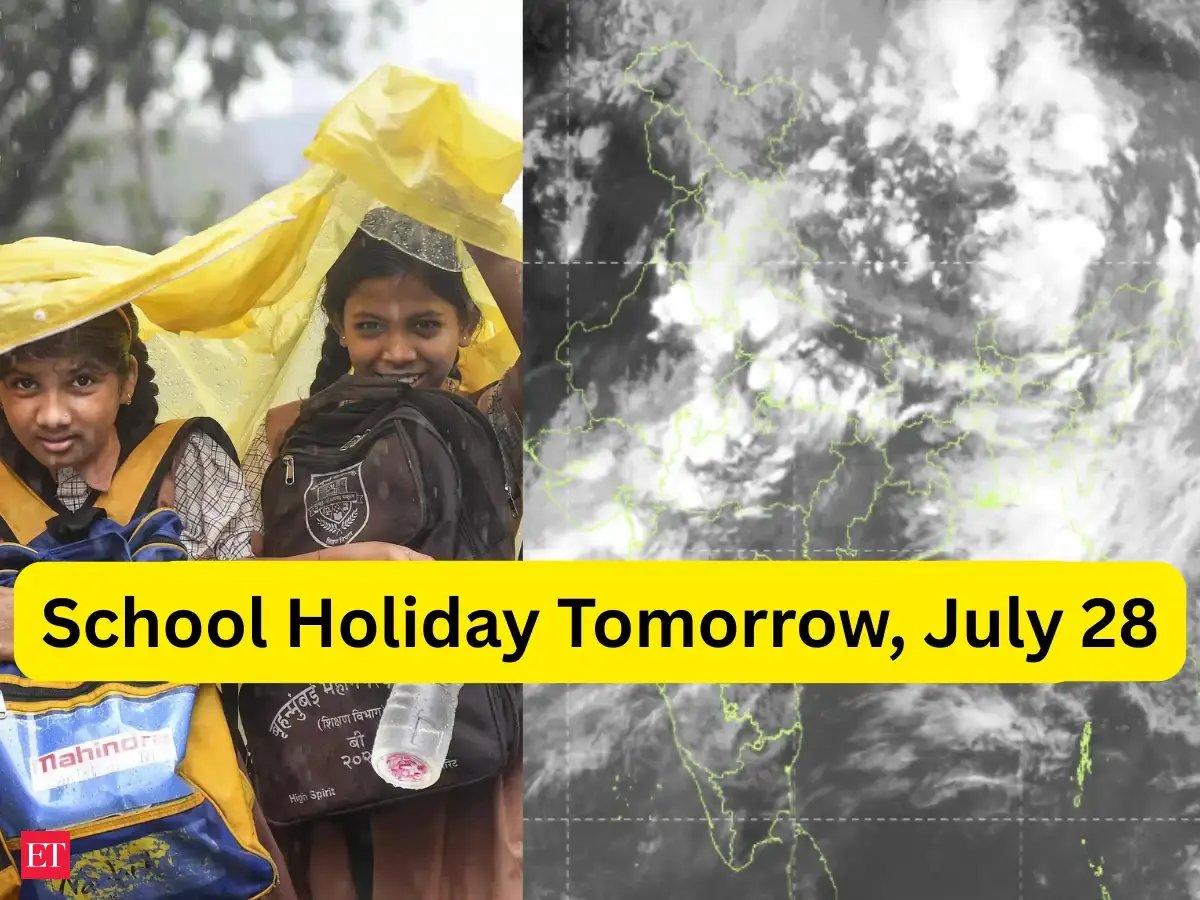
As the India Meteorological Department (IMD) issues high-alert warnings for heavy to extremely heavy rainfall across several key agricultural and industrial states, the question of student safety has moved to the forefront of local administrative agendas. With forecasts indicating persistent precipitation through July 28, parents, students, and school administrators are bracing for potential disruptions to the academic calendar. While a broad, statewide closure has yet to be declared by government officials, the climate volatility currently impacting regions such as Odisha, West Bengal, Maharashtra, and Gujarat has triggered a decentralized approach to school operations.
The IMD’s current bulletins highlight a period of intense atmospheric activity, driven by active monsoon troughs and low-pressure systems. In areas prone to waterlogging and flash flooding, the risk to transit infrastructure poses a significant concern for school districts. Consequently, local authorities have been empowered to exercise discretion, evaluating real-time weather data and ground-level safety conditions to determine whether schools should remain open or shutter their doors for the day.
Regional Vulnerabilities and Administrative Protocols
The decision-making process regarding school closures during the monsoon season is rarely monolithic. Instead, it relies on a complex interplay between meteorological precision and municipal risk management. In states like Maharashtra and Gujarat, where urban flooding frequently complicates transport corridors, district collectors are tasked with assessing the viability of safe student commute routes. In Odisha and West Bengal, the primary focus often shifts to the integrity of rural road networks and the potential for rising water levels in low-lying coastal and deltaic regions.
Administrations generally weigh three critical factors before announcing a holiday: the severity of the IMD’s color-coded warning, the current saturation levels of the soil—which dictate the risk of rapid runoff and flash floods—and the operational status of public transport. When these variables cross a specific threshold of risk, local magistrates often issue notices in the late evening or early morning to prevent unnecessary exposure. For the current weather cycle ending July 28, authorities are maintaining a state of high readiness, with most districts expected to communicate decisions via official government portals and local media channels as the situation evolves overnight.
Infrastructure and Safety Concerns in the Monsoon
Beyond the immediate concern of classroom attendance, these weather events highlight the ongoing challenge of maintaining educational continuity in the face of climate-induced environmental stress. Heavy rainfall not only disrupts the daily commute but can also compromise the structural safety of older school buildings and exacerbate sanitation issues within campus premises. When districts opt to close schools, it is often a proactive measure to mitigate the risks of structural damage, electrical hazards, and the spread of waterborne illnesses that often follow heavy inundation.
Parents are advised to monitor official district announcements rather than relying on social media rumors. In many instances, individual school principals may also be granted the autonomy to suspend classes if their specific facility is located in a high-risk zone, even if the wider district remains operational. Staying informed through verified government channels remains the most effective way to manage the uncertainty caused by these sudden shifts in weather patterns.
What This Means for Farmers
While the focus remains on student safety, the heavy rainfall predicted by the IMD carries significant weight for the agricultural sector. For farmers in the affected regions of Maharashtra, Gujarat, Odisha, and West Bengal, these weather warnings serve as a critical alert for field management.
Practical Impacts and Advice:
- Crop Protection: In areas expecting "extremely heavy" rainfall, the primary concern is the potential for waterlogging in low-lying fields. Farmers should ensure that drainage channels are cleared immediately to prevent root rot and the loss of standing crops, particularly for sensitive seasonal varieties.
- Infrastructure Maintenance: Increased rainfall often leads to softened soil, which can impact the stability of farm structures and irrigation equipment. It is advisable to secure loose equipment and ensure that livestock are moved to higher, sheltered ground.
- Market Logistics: Disruptions to transport networks that affect school buses are often the same networks used for the transit of perishable agricultural produce. Farmers should expect potential delays in market access and plan their harvest or transport schedules accordingly to avoid spoilage.
- Economic Vigilance: Keep a close eye on local agricultural extension service updates. These departments often provide specific advisories on pest management, as high humidity and standing water create ideal conditions for fungal outbreaks and pest infestations following a deluge.
By treating these weather alerts with the same caution as district administrators, the farming community can better safeguard their livelihoods against the volatility of the monsoon season.