Monsoon Intensifies: Widespread Rain Alerts Prompt Potential School Closures Across India
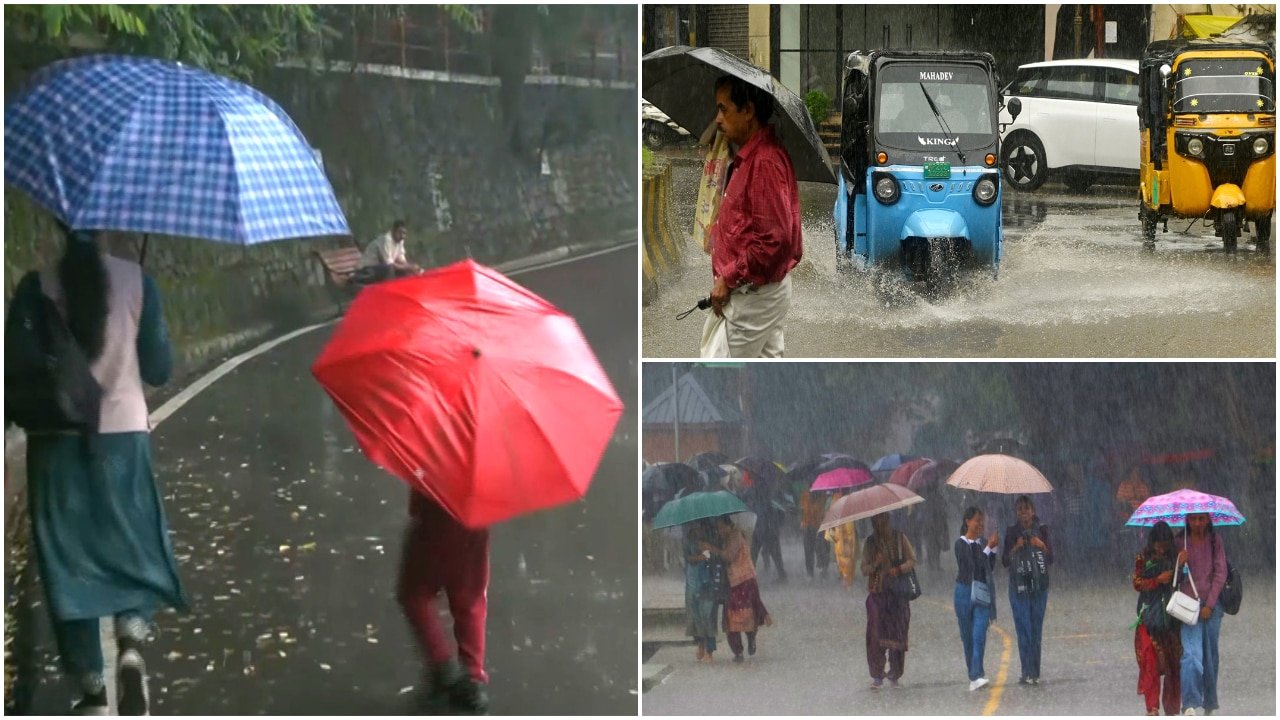
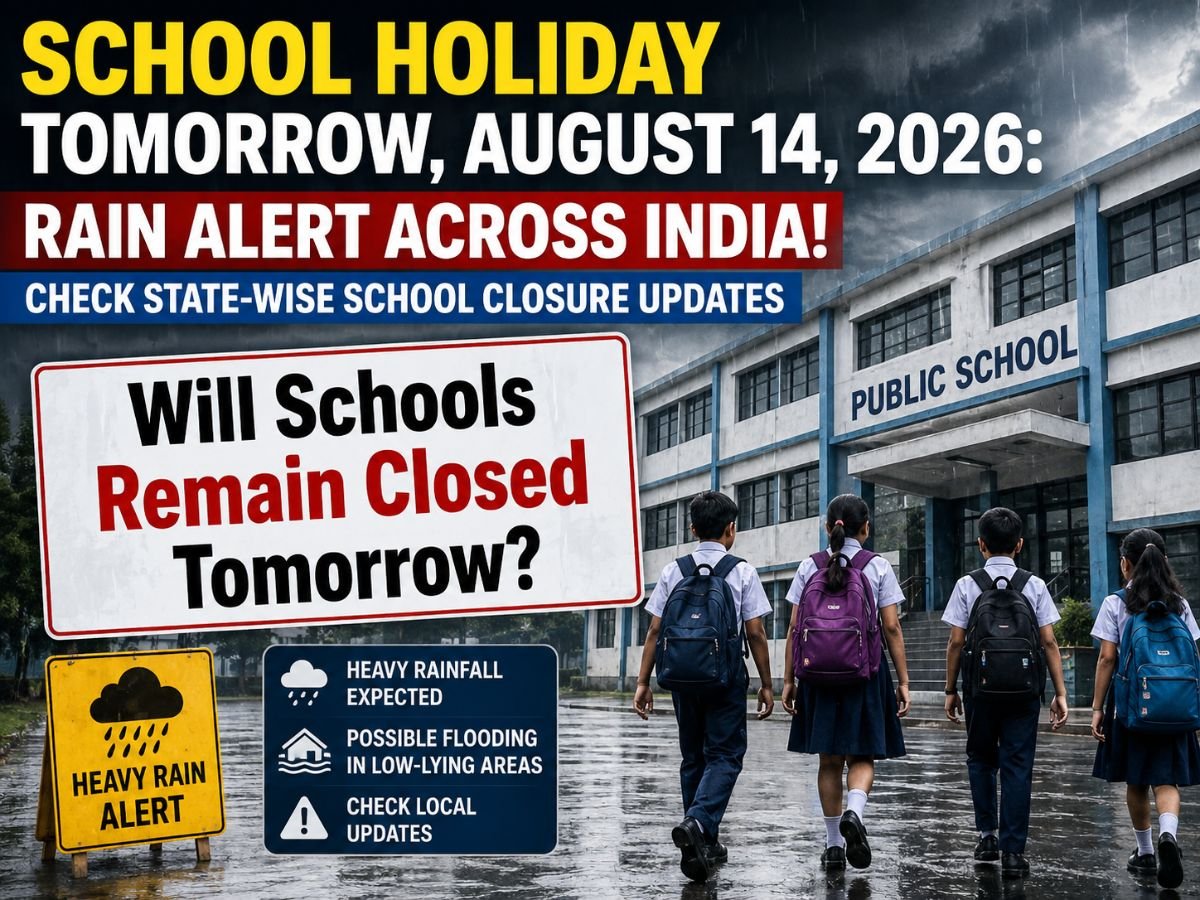
As the monsoon season reaches a critical phase, meteorological departments across India have issued widespread alerts for heavy to very heavy rainfall, casting uncertainty over school operations for August 14, 2026. With persistent downpours impacting several regions, local administrations are closely monitoring weather patterns to ensure the safety of students and staff. While no blanket nationwide closure has been announced, the potential for localized flooding, waterlogging, and hazardous road conditions has prompted authorities in vulnerable districts to consider temporary school holidays.
The current weather situation is characterized by an active monsoon trough, which has resulted in significant precipitation across key agricultural states. While rain is generally welcomed by the farming community to nourish standing crops, the intensity of the current spell poses logistical challenges for educational institutions. Parents and students are advised to remain in contact with local district authorities and monitor official communication channels for updates regarding closures specific to their regions.
Assessing the Impact of Heavy Rainfall on Local Infrastructure
The decision to close schools is rarely taken lightly and is typically governed by the recommendations of District Magistrates and local meteorological centers. When rainfall reaches levels that compromise the safety of school transport or threaten the structural integrity of school buildings in flood-prone areas, closure orders are issued as a precautionary measure. In many instances, rural areas face additional challenges, including inundated access roads and disrupted public transit, which can effectively isolate communities.
Meteorological data indicates that the current rainfall is not uniform, leading to a fragmented landscape of risk. While urban centers often grapple with flash flooding caused by overwhelmed drainage systems, rural districts are contending with saturated fields and the risk of localized landslides in hilly terrain. Consequently, the closure of schools is being determined on a case-by-case basis. Authorities are prioritizing the safety of students navigating routes that may be prone to waterlogging or blocked by debris, ensuring that the risk of accidents remains minimal during this peak monsoon phase.
Monitoring the Monsoon: A Balancing Act for Authorities
For parents and guardians, the uncertainty surrounding school schedules can be disruptive. However, the primary focus for regional governments remains the prevention of emergencies. By analyzing real-time data on river levels and soil saturation, district administrators can make informed decisions about whether or not to suspend academic activities. In regions where the risk of landslides or severe flooding is high, authorities have been granted the autonomy to declare holidays at short notice, often disseminated through local media, mobile alerts, and official government portals.
It is essential for families to verify information through verified government sources rather than relying on unconfirmed reports circulating on social media. As the situation remains fluid, local authorities are maintaining a state of high alert, ready to implement emergency protocols should the weather conditions deteriorate further. The standard operating procedure involves a comprehensive review of road safety and infrastructure stability before the commencement of the school day, ensuring that no student is placed in an avoidable position of danger.
What This Means for Farmers
While the focus remains on student safety, the heavy monsoon activity carries significant implications for the agricultural sector. For farmers, these intense rainfall events serve as a double-edged sword. On one hand, the precipitation is vital for replenishing reservoirs, supporting groundwater recharge, and providing necessary moisture for Kharif crops such as rice, maize, and pulses. Consistent rainfall during this period is essential for achieving optimal yields and ensuring food security.
However, the current intensity of the rain requires farmers to take proactive measures to protect their livelihoods. The potential for heavy waterlogging in low-lying fields poses a threat of crop damage, particularly for vegetable crops and newly sown seedlings that are susceptible to root rot. Farmers are advised to ensure that field drainage systems are clear and functional to prevent prolonged water stagnation.
Furthermore, in areas where landslides or road closures are likely, the transport of agricultural produce to local markets (mandis) may be delayed. Farmers should monitor local weather bulletins closely to plan their harvesting and logistics accordingly. Engaging in preventative soil management, such as implementing contour bunding or ensuring proper soil drainage, can help mitigate the risks associated with extreme weather. As the monsoon continues, the priority for the agricultural community remains the careful management of water resources to balance the benefits of rainfall against the risks of crop loss and infrastructure damage.