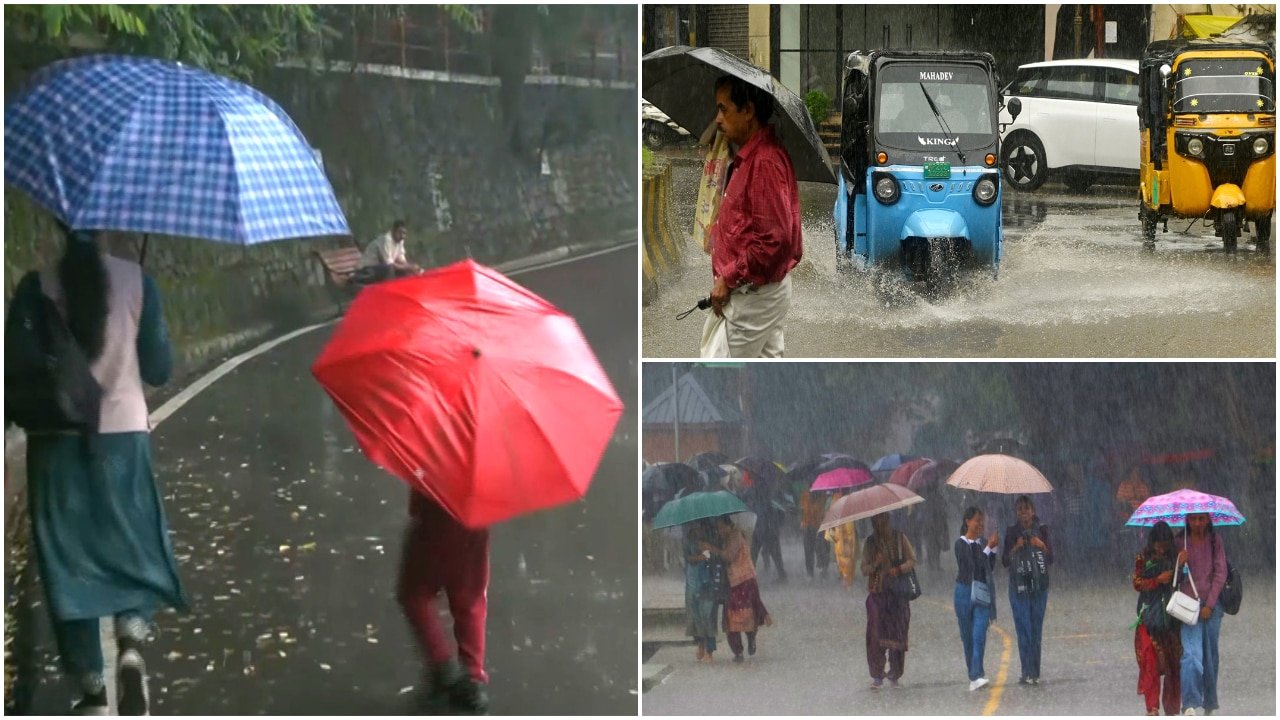
Monsoon Disruptions: Navigating Potential School Closures Amidst Heavy Rainfall Forecasts
As the monsoon season reaches a critical phase, meteorological forecasts for August 14, 2026, indicate a period of intense precipitation across several key Indian states. With heavy rain expected to impact infrastructure and local connectivity, concerns regarding the safety of students and the operational status of educational institutions have moved to the forefront. From the northern reaches of Jammu & Kashmir and the capital territory of Delhi to the agrarian heartlands of Uttar Pradesh, Maharashtra, and Karnataka, regional administrations are currently assessing weather data to determine if schools will remain open or observe a precautionary holiday.
The intensity of the monsoon is projected to cause localized waterlogging and potential disruptions to transport routes, prompting district collectors and local municipal authorities to monitor the situation on an hourly basis. While a blanket national closure is not in effect, the standard protocol dictates that district-level leadership maintains the authority to declare holidays based on the immediate threat level to public safety. Parents and guardians are advised to prioritize official government channels, as these represent the only verified source of information regarding school schedules for the coming day.
Assessing Regional Meteorological Impacts
The current weather pattern suggests that the interaction of low-pressure systems and moisture-laden winds will bring varying degrees of rainfall across the country. In states like Uttar Pradesh and parts of Delhi, the focus remains on urban drainage capacity and the risk of flash flooding in low-lying areas. Meanwhile, in Maharashtra and Karnataka, the challenge lies in the saturation of soil and the potential for landslides in hilly regions or disruptions to rural transit networks that students rely on to reach schools.
Meteorological departments have issued yellow and orange alerts for several districts, indicating that while the weather may not reach catastrophic levels, it is sufficiently severe to warrant caution. The decision-making process at the district level is multifaceted; authorities consider not only the volume of rainfall but also the condition of school infrastructure, the accessibility of roads, and the safety of public transport systems. Consequently, even within a single state, it is common to see schools in one district remain open while neighboring regions declare a holiday due to localized flooding or severe weather warnings.
The Importance of Official Communication Channels
In an era of rapid information flow, the proliferation of unofficial reports on social media can often lead to confusion regarding school closures. It is essential for stakeholders to verify any announcements through official government portals, district magistrate offices, or verified municipal social media accounts. Relying on hearsay or outdated news cycles can lead to unnecessary disruptions in the academic calendar or, conversely, place students in avoidable danger.
Educational institutions are generally instructed to follow the directives issued by the local district administration. If no official notification has been released by the evening of August 13, parents should assume that schools will operate as scheduled, though they should remain vigilant for last-minute updates that may be issued late at night or early in the morning, should the weather take a sudden turn for the worse.
What This Means for Farmers
While the focus on school closures is a matter of public safety and logistics, the underlying meteorological event—the heavy monsoon—carries significant implications for the agricultural sector. For farmers across these regions, the upcoming rainfall is a double-edged sword that requires careful management of standing crops.
1. Water Management and Drainage: Intensive rainfall following a period of moderate monsoon activity can lead to waterlogging, which is particularly detrimental to sensitive crops. Farmers are advised to ensure that field drainage channels are clear of debris to prevent root rot and nutrient leaching. In low-lying fields, proactive water management is critical to protecting the yield potential for the remainder of the Kharif season.
2. Postponement of Field Operations: The heavy rain alert serves as a signal to pause non-essential field operations. Applying fertilizers or pesticides during heavy downpours is largely ineffective, as the active ingredients are likely to be washed away, leading to both economic waste and environmental runoff. It is advisable to delay chemical applications until the weather clears and the soil moisture levels stabilize.
3. Infrastructure and Connectivity: Much like the school transport concerns, farmers may face challenges in accessing local mandis or markets during periods of heavy rain. It is prudent to assess the condition of rural roads and storage facilities. If harvesting has already commenced, ensuring that produce is stored in elevated, moisture-proof conditions is paramount to prevent post-harvest losses caused by humidity and fungal growth.
4. Monitoring Local Alerts: Agricultural extension services often mirror the warnings provided to schools. Farmers should keep a close watch on district-level agromet advisories. These bulletins provide crop-specific guidance tailored to the expected weather, helping to mitigate the risks of lodging, pest outbreaks, and diseases that often thrive in the high-humidity conditions that follow heavy monsoon spells.