![School Assembly News Headlines Today [13 August]: Top National, Business News, Sports News, Education News, Science & Tech News, Weather News & World News with Weather Updates & Thought of the Day](https://smartkhedut.in/storage/news/images/cc4043052c0b-school-assembly-news-headlines-today-13.jpg)
Bridging the Gap: The Role of Current Affairs in Modern Agricultural Literacy
In an era where global supply chains, climate variability, and rapid technological shifts define the agricultural landscape, the ability to synthesize daily news is no longer just for policymakers—it is an essential skill for the modern producer. As highlighted by the recent digest of school assembly headlines for August 13, 2026, the flow of information ranging from national policy updates to international weather patterns provides a critical framework for understanding the broader market forces at play. For the agricultural community, these daily briefings serve as a microcosm of the external factors that dictate commodity prices, resource availability, and long-term sustainability planning.
The Intersection of Global Weather Trends and Agronomic Strategy
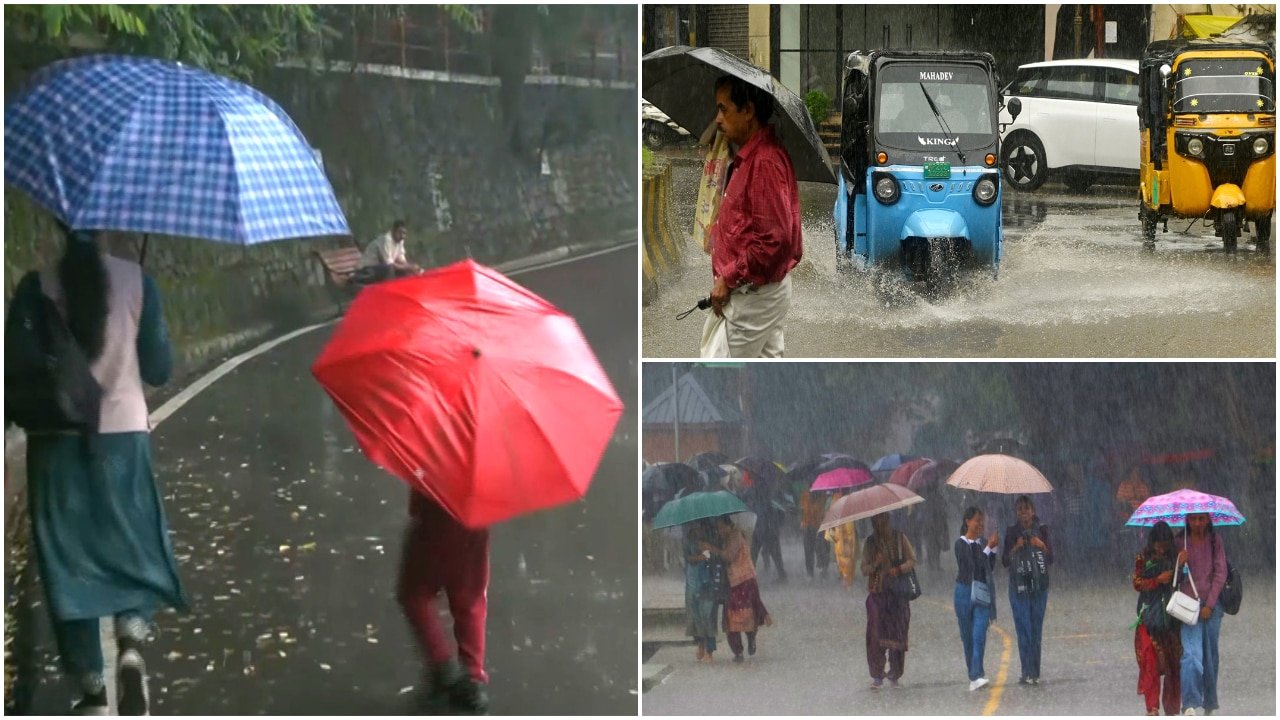
Weather remains the most significant variable in the agricultural equation, and the emphasis on daily weather forecasts in national news highlights the increasing volatility producers face today. When news outlets report on shifting meteorological patterns, they are often signaling the onset of localized phenomena that can disrupt planting windows, harvest efficiency, and crop health. For farmers, tracking these updates is not merely about planning the week’s field work; it is about managing the risks associated with extreme climate events.
Furthermore, international weather news often provides early warnings regarding global supply chain health. Droughts in major grain-producing regions or excessive rainfall in trade hubs can cause immediate fluctuations in global commodity pricing. By staying attuned to these international reports, domestic producers can better anticipate shifts in demand and adjust their marketing strategies accordingly. Integrating meteorological data with daily news consumption allows for a more proactive approach to farm management, moving beyond reactive survival to informed, data-driven decision-making.
Market Economics and the Value of Information Flow
Business news, which frequently occupies the headlines of daily briefings, acts as a barometer for the health of the agricultural sector. Economic indicators, trade policy shifts, and technological advancements reported in the mainstream press often precede significant changes in the input costs of fertilizers, fuel, and machinery. When agricultural news is contextualized within the broader national and business landscape, it becomes easier to understand the macro-economic pressures influencing local farm-gate prices.
The focus on science and technology in modern news cycles also reflects the rapid digitalization of the agricultural industry. From precision farming tools to breakthroughs in genetic research, the headlines of today often feature the innovations that will define the farm of tomorrow. For the agricultural sector, keeping pace with these developments is essential for remaining competitive. As the industry moves toward smarter, more sustainable practices, the ability to digest and apply information from diverse news sources becomes a competitive advantage that can lead to greater operational efficiency and improved profitability.
What This Means for Farmers
For the modern farmer, the daily news cycle is a vital tool for risk mitigation and strategic planning. To translate these updates into practical action, producers should consider the following steps:
- Contextualize Local Data: Use national weather and climate reports as a baseline to interpret local micro-climates, enabling more precise irrigation and fertilization scheduling.
- Monitor Market Sentiment: Use business and international news to gauge global demand. When global supply chains are highlighted in the headlines, take it as a signal to review your inventory management and hedging strategies.
- Leverage Educational Resources: Much like the focus on school assembly news, farmers should treat continuous learning as a daily habit. Engaging with agricultural-specific briefings helps filter the "noise" of general news into actionable agronomic intelligence.
- Prioritize Technological Agility: Pay close attention to reports on new technology. Early adoption of efficiency-boosting innovations can reduce overhead costs, but only when those technologies are matched with a clear understanding of the broader economic trends reported in the news.
Ultimately, by integrating daily updates into their routine, farmers can transform the overwhelming influx of information into a structured map for navigating the challenges of the agricultural season. Whether it is a shift in a major trade agreement or a new weather pattern, the information provided in daily headlines is the first step toward building a more resilient and profitable farm enterprise.