Spiritual Pilgrimage Planning: Preparing for Sawan 2026
As the holy month of Sawan approaches in 2026, thousands of devotees are beginning the process of mapping out their spiritual journeys to some of India’s most revered Shiva temples. Known as the month of devotion, purification, and monsoon rains, Sawan draws millions of pilgrims toward sacred sites that hold deep historical and religious significance. While the spiritual allure of these destinations is universal, a successful pilgrimage requires meticulous logistical planning, particularly when navigating the diverse geographical landscapes of the Indian subcontinent.
From the high-altitude peaks of the Himalayas to the coastal regions of the west, the five most prominent Shiva temples—Kashi Vishwanath, Kedarnath, Mahakaleshwar, Somnath, and Omkareshwar—offer unique experiences. However, the success of these journeys hinges on the ability of the pilgrim to balance fervor with practical considerations, including seasonal weather patterns, local health regulations, and travel infrastructure constraints.
Geographical Considerations and Temple Logistics
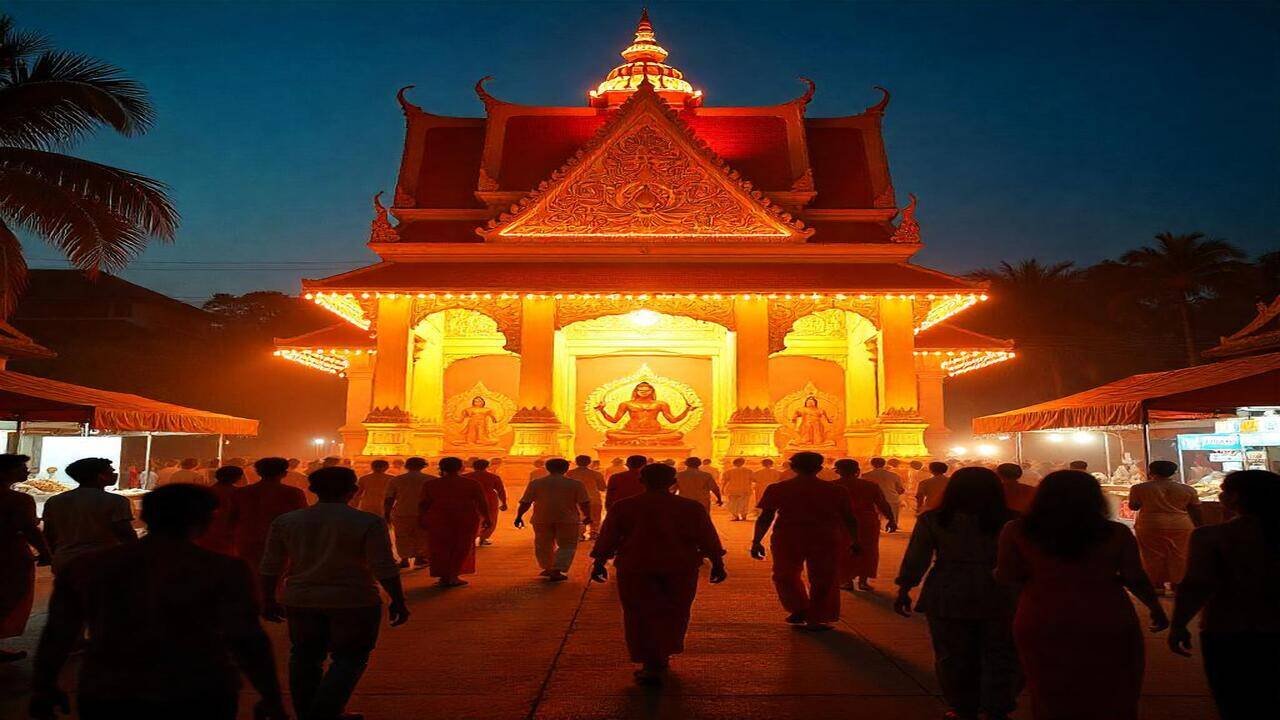
Each of the major Jyotirlinga and sacred sites presents distinct travel requirements. The Kashi Vishwanath Temple in Varanasi, for instance, is situated in a densely populated urban environment where managing the influx of crowds during Sawan requires patience and advance coordination with local authorities. Similarly, the Mahakaleshwar Temple in Ujjain and the Omkareshwar Temple in Madhya Pradesh experience massive footfalls, necessitating early registration for 'darshan' and a solid grasp of local transit schedules.
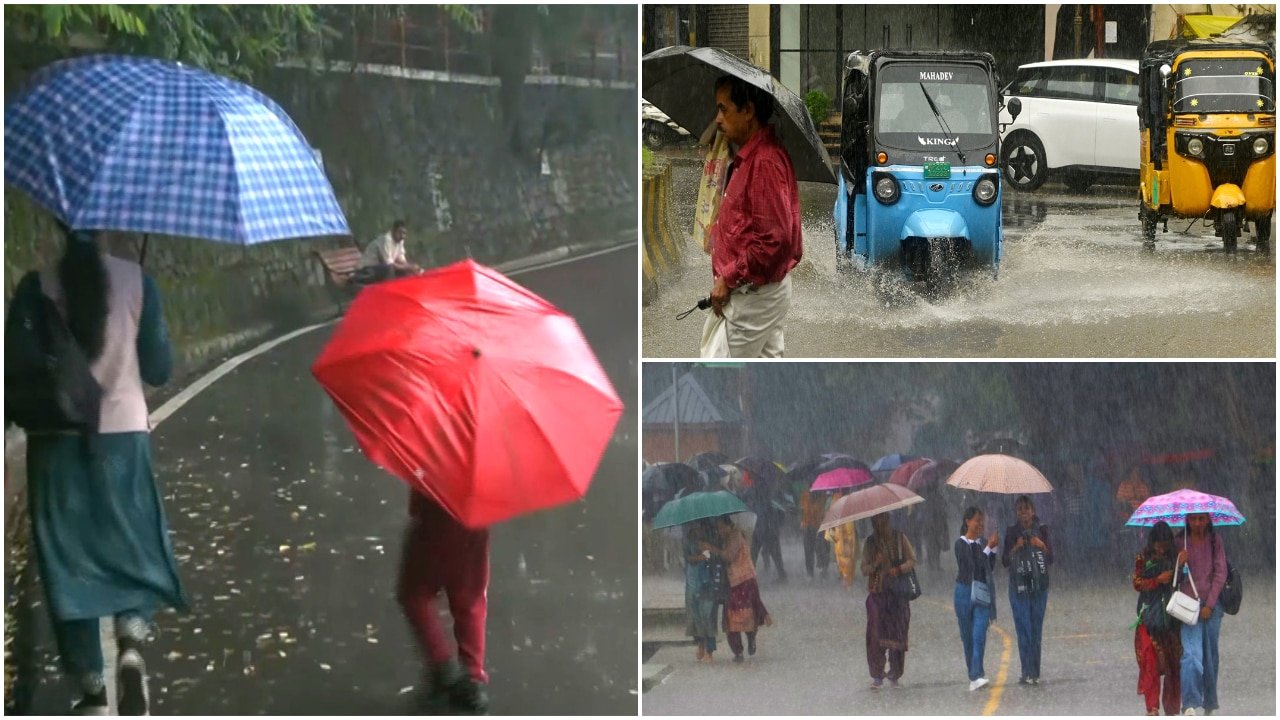
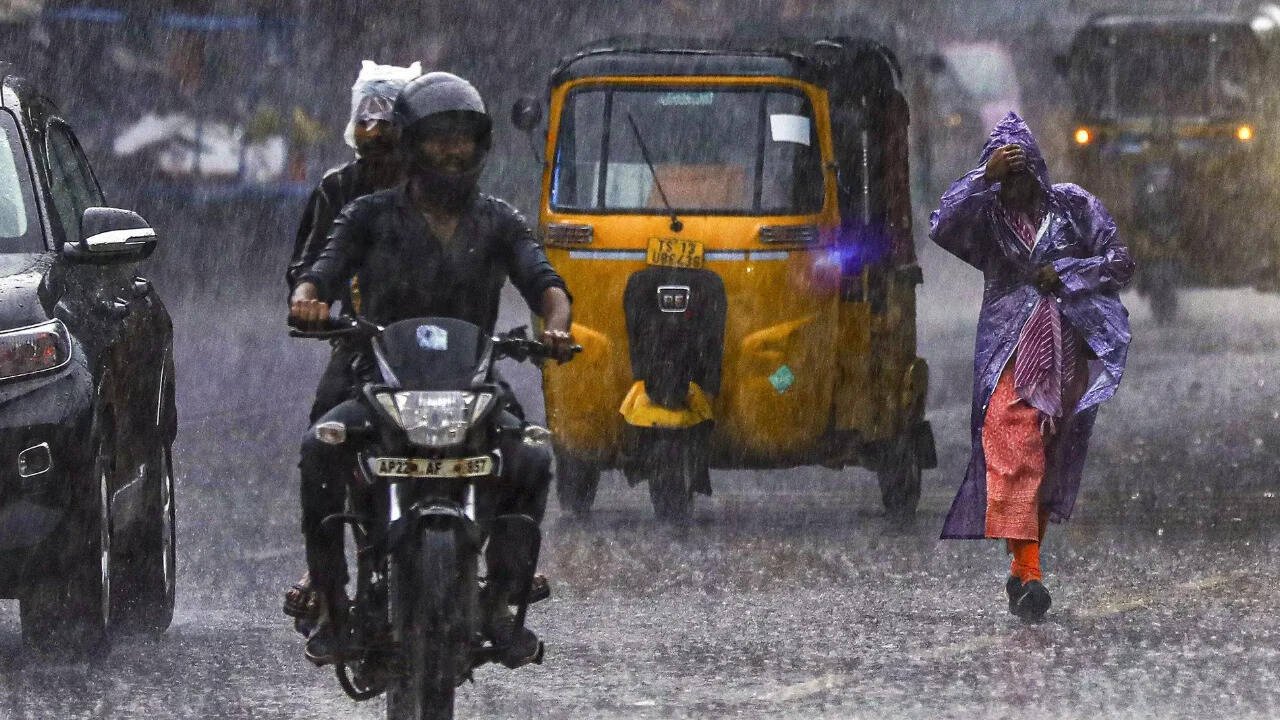
The Kedarnath Temple stands apart due to its extreme altitude and rugged terrain. Pilgrims planning to visit this Himalayan shrine must account for the unpredictable monsoon weather that characterizes the Sawan season. Heavy rains can lead to sudden shifts in temperature, potential landslides, and temporary disruptions to transport routes. Unlike the coastal serenity of the Somnath Temple in Gujarat, which offers a different climate profile, Kedarnath demands physical fitness, acclimatization, and a more robust preparation strategy regarding clothing, emergency supplies, and contingency travel plans.
Strategic Planning for a Seamless Experience
A successful pilgrimage in 2026 demands a departure from spontaneous travel. With the anticipated surge in tourism during Sawan, the demand for accommodation often outstrips supply, leading to significant price fluctuations. Experienced travelers recommend securing hotel bookings several months in advance to ensure proximity to the temple complexes and to avoid the volatility of the local hospitality market during peak festival days.
Beyond accommodation, pilgrims must prioritize their health and safety. Traveling during the monsoon season brings specific challenges, including water-borne health risks and the need for appropriate footwear and rain-resistant gear. Carrying a personal medical kit, staying hydrated with safe water sources, and maintaining a clear communication plan with family members are foundational steps. Furthermore, checking official government advisories for each state remains crucial, as local temple boards frequently update entry protocols, crowd management policies, and permitted items for the sanctity of the sanctum sanctorum.
What This Means for Farmers
While Sawan is primarily a period of spiritual reflection, it carries significant economic and agricultural implications for the rural communities surrounding these pilgrimage circuits. For farmers and local agricultural entrepreneurs, the Sawan season represents a vital window of economic activity. The surge in footfall creates a localized demand for fresh produce, dairy products, and organic offerings, providing an opportunity for smallholder farmers to engage directly with the tourism economy.
However, the influx of pilgrims also places pressure on local infrastructure and resources. Farmers in regions like Uttarakhand and Madhya Pradesh often find that the increased demand for transport and labor during Sawan can compete with seasonal agricultural activities. To maximize the benefits of this period, rural stakeholders should:
- Leverage Direct-to-Consumer Sales: Focus on marketing high-quality, locally grown fruits, grains, and devotional supplies directly to visitors to capture a larger share of the tourism spend.
- Monitor Infrastructure Impacts: Be mindful of how increased tourist traffic may affect the accessibility of farm-to-market roads, planning harvest logistics around peak pilgrimage dates.
- Diversify Income Streams: Consider the potential for agro-tourism, offering pilgrims a glimpse into local sustainable farming practices, which can supplement income during the monsoon season when traditional field work may be limited by heavy rainfall.
- Prioritize Sustainable Practices: As pilgrimage sites become more crowded, there is an increasing demand for eco-friendly, locally sourced goods. Farmers who adopt organic or chemical-free practices can often command a premium price from travelers seeking authentic and healthy food options.
By treating the pilgrimage season as a period of both spiritual devotion and professional planning, farmers and pilgrims alike can ensure that their time during Sawan 2026 is safe, productive, and meaningful.