Monsoon Resurgence: Satellite Imagery Confirms Widespread Rainfall Surge
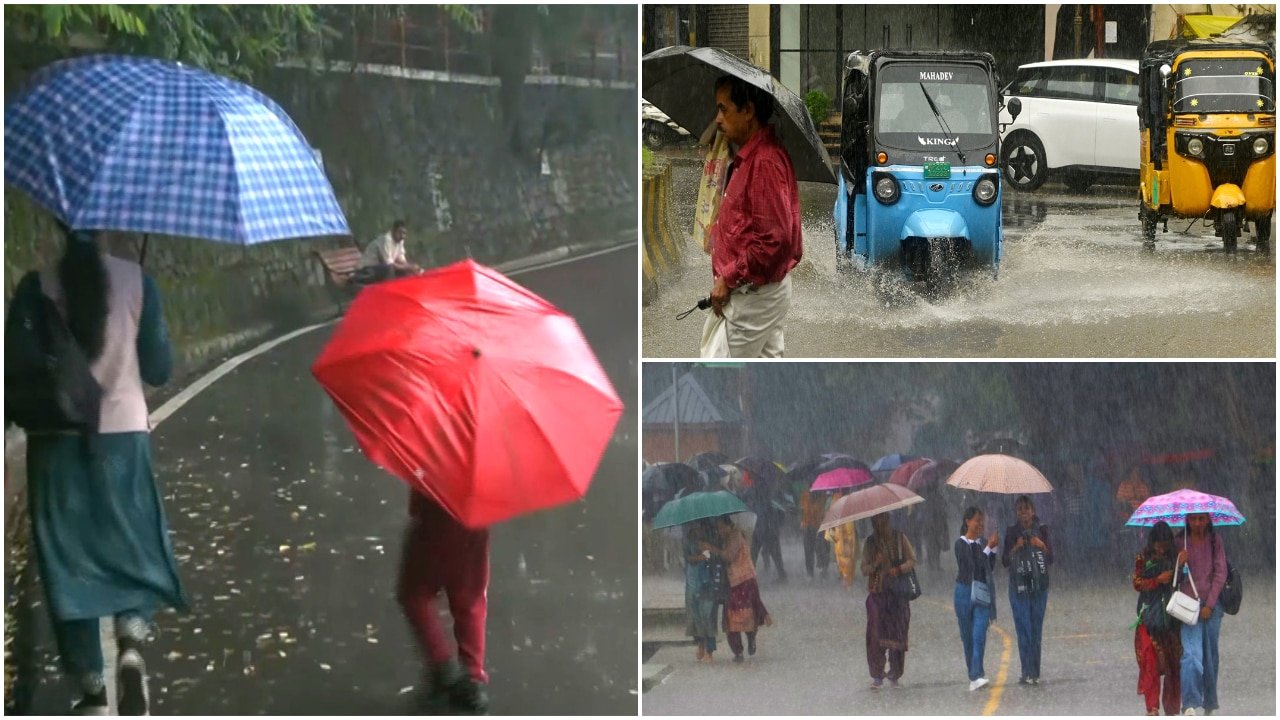
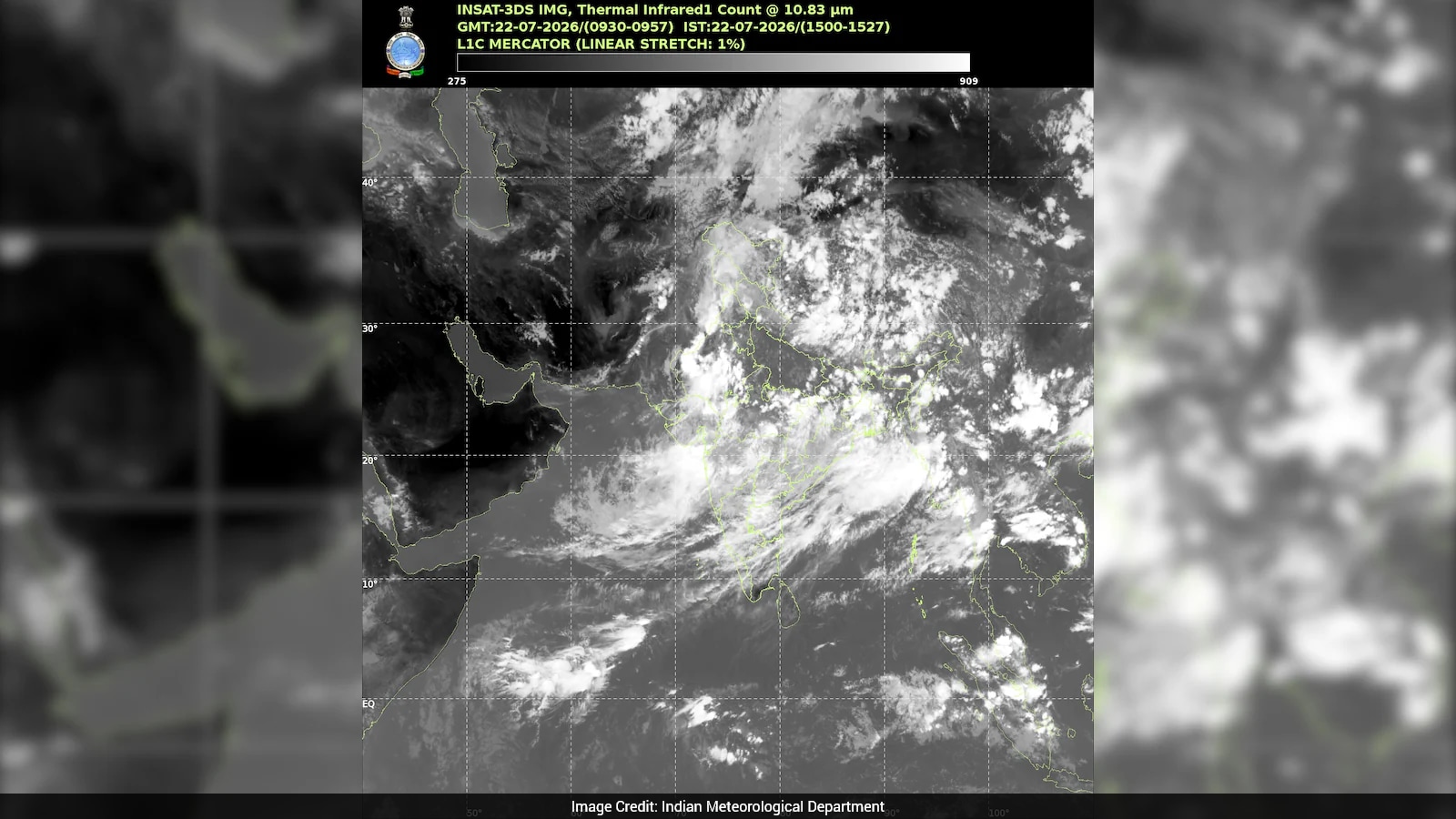
Recent satellite observations have provided definitive evidence of a significant meteorological shift across the Indian subcontinent, marking a robust return of the southwest monsoon. After a period of relative atmospheric stagnation, high-resolution imagery now reveals dense, expansive cloud cover blanketing the majority of the nation. This atmospheric consolidation signals that the monsoon system has regained full strength, effectively ending the dry spells that had previously caused concern among agricultural planners and meteorological experts alike.
According to the latest meteorological data, the monsoon trough has undergone a favorable reorganization, drawing moisture-laden winds from the Arabian Sea and the Bay of Bengal into the heart of the country. Forecasters have issued alerts for intense precipitation activity spanning from July 22 through July 24. This active phase is expected to distribute rainfall across diverse geographical zones, providing a much-needed replenishment of soil moisture and water reservoirs across critical breadbasket regions.
The Mechanics of the Monsoon Rebound
The transition from fragmented cloud patterns to a unified, deep-convection system is attributed to the strengthening of low-pressure areas over the northern and central regions. These systems act as powerful engines, pulling moisture across the landscape and triggering widespread, sustained rain events. Unlike localized thunderstorms, this current weather pattern is characterized by broad-scale precipitation, which is essential for uniform crop development.
The upcoming 72-hour window is projected to be the most active of the month. Meteorological centers have noted that the atmospheric conditions are currently conducive to heavy rainfall, particularly in regions that have experienced moisture deficits during the early part of the season. The satellite data highlights a thick blanket of nimbostratus clouds, which are synonymous with long-duration, steady rain—a stark contrast to the intermittent, high-intensity showers that often lead to rapid runoff without deep-soil infiltration.
Hydrological Impact and Reservoir Management
Beyond the immediate benefits to standing crops, the return of the monsoon at full strength is vital for the nation’s hydrological balance. The current rainfall event is expected to significantly improve the inflow into major irrigation reservoirs, which are essential for sustaining hydroelectric power generation and providing consistent water supply for the upcoming rabi season.
Water management authorities are closely monitoring the intensity of these rains, as the rapid accumulation of moisture can lead to localized flooding in low-lying areas. However, from an agronomic perspective, the replenishment of the groundwater table remains the primary objective. By ensuring that the soil profile reaches field capacity, this surge in rainfall provides a protective buffer against potential dry spells that may occur later in the season, stabilizing the water supply for crops currently in the critical vegetative growth stage.
What This Means for Farmers
The return of the monsoon to full strength presents both opportunities and management challenges for the farming community. For those who delayed sowing due to previous uncertainty, the current window provides optimal soil moisture conditions to complete planting operations. Farmers are advised to take the following factors into account to maximize the benefits of this weather shift:
- Sowing and Re-sowing: With the soil moisture levels projected to be adequate over the next three days, farmers in rain-fed regions should prioritize the completion of sowing operations to ensure crops have sufficient time to establish strong root systems before the season wanes.
- Nutrient Management: Heavy rainfall can lead to the leaching of nitrogen-based fertilizers. Farmers should exercise caution and avoid large-scale fertilizer application immediately before heavy downpours. It is advisable to delay top-dressing until the intensity of the rain subsides to ensure better nutrient uptake and minimize environmental runoff.
- Field Drainage: While moisture is essential, excessive water accumulation can lead to waterlogging, which is detrimental to root health, particularly for pulse and oilseed crops. Ensuring that field drainage channels are clear and operational is critical to preventing crop damage during this high-intensity rainfall phase.
- Pest and Disease Monitoring: High humidity and increased rainfall are prime conditions for the proliferation of fungal diseases and certain pest populations. Farmers should increase the frequency of field scouting over the next week to identify early signs of moisture-related stress or disease outbreaks, allowing for timely and targeted intervention.
By aligning agricultural activities with this updated meteorological outlook, producers can better leverage the monsoon’s resurgence to secure a more resilient and productive harvest, mitigating the risks posed by earlier seasonal volatility.