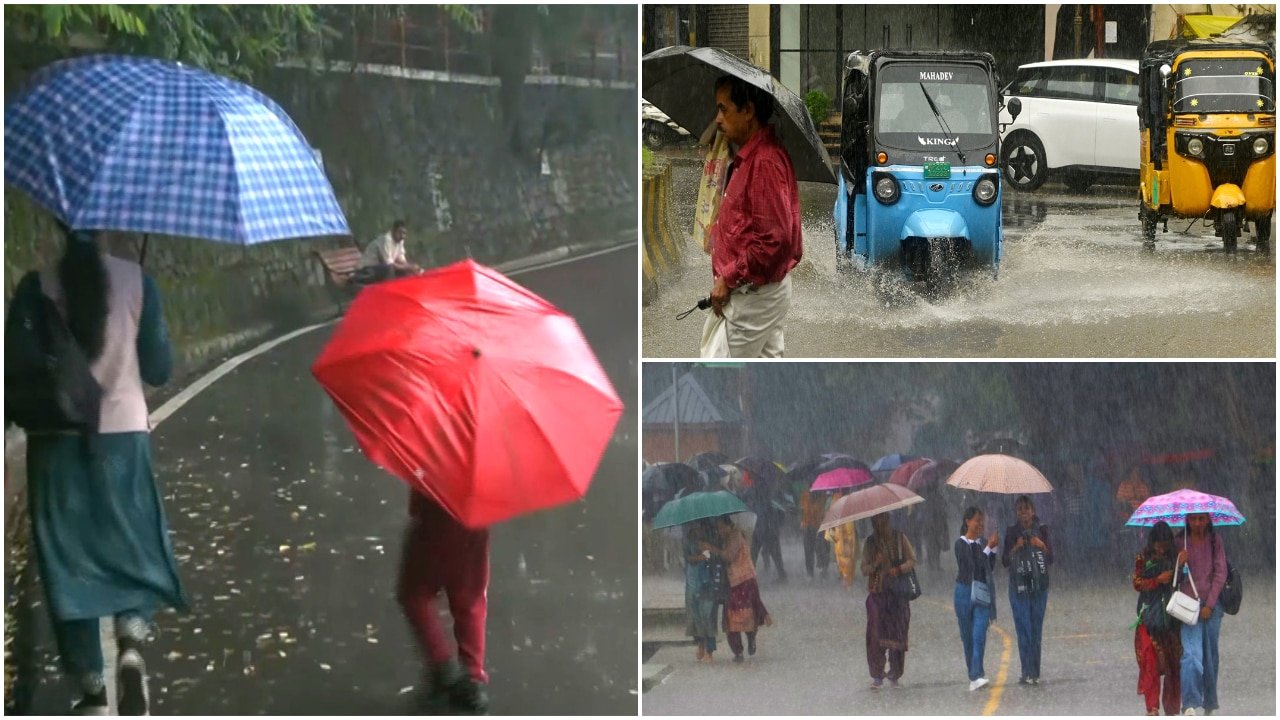
Monsoon Tourism Revitalizes Saputara as Seasonal Fest Draws Record Crowds
The hill station of Saputara, nestled within the lush expanse of the Dang district, is currently experiencing a significant surge in visitor numbers as the annual monsoon festival gains momentum. Known as the only hill station in Gujarat, Saputara has transformed into a verdant landscape, attracting tourists and agricultural enthusiasts alike who are eager to experience the region’s unique microclimate. The current influx of crowds highlights the growing intersection between local tourism economies and the seasonal rhythms of the monsoon, which remains the lifeblood of the surrounding rural communities.
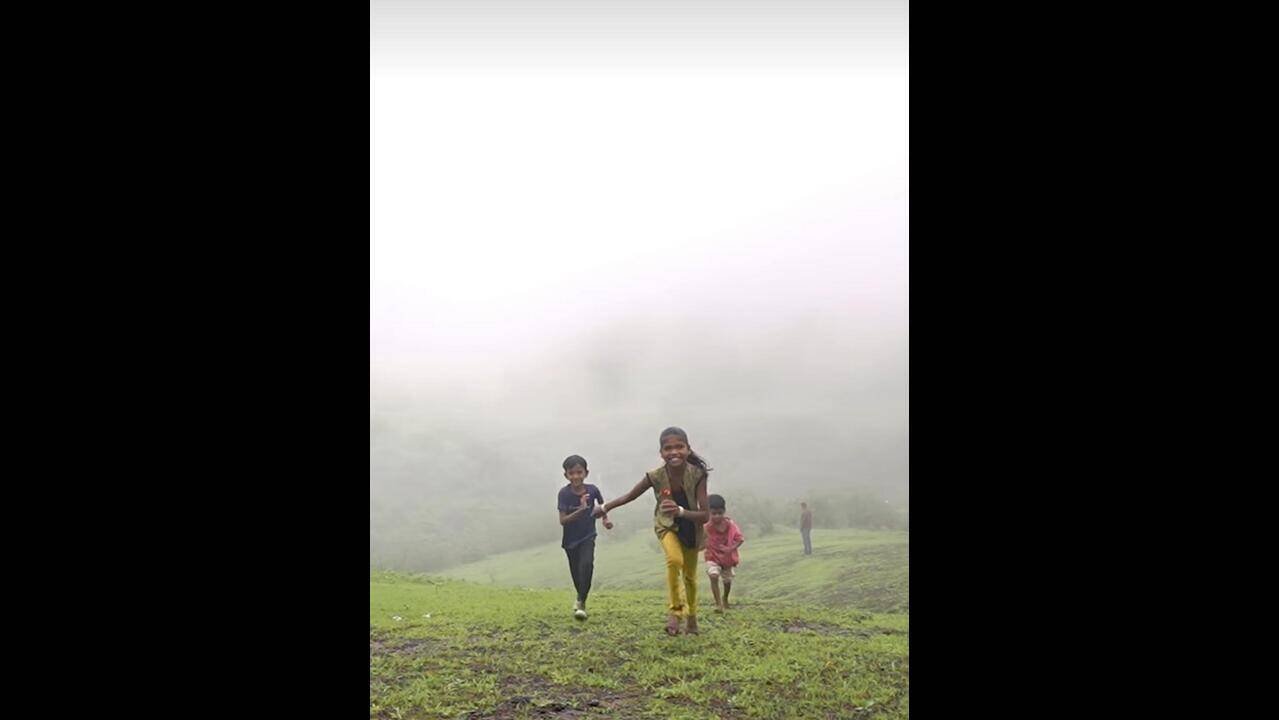
As the rains drape the Sahyadri range in a thick blanket of emerald green, the festival serves as a cultural and economic anchor for the region. Beyond the aesthetic appeal of cascading waterfalls and mist-covered plateaus, the event showcases the resilience and vibrancy of the Dang region. For local inhabitants, the festival represents more than just a seasonal attraction; it is a critical window for economic activity that supports small-scale artisans, local growers, and hospitality providers who rely on the brief, high-intensity tourism cycle to sustain their livelihoods throughout the year.
The Ecological Significance of the Monsoon Season
The surge in tourism during this period is inextricably linked to the ecological transformation of the landscape. The arrival of the monsoon is not merely a backdrop for festivities but a vital biological event that triggers the rejuvenation of the local ecosystem. The increased precipitation revitalizes the soil moisture profiles, replenishing the water tables and supporting the diverse flora and fauna that define the Western Ghats.
From an agronomic perspective, the monsoon rains in the Dang district are essential for the cultivation of traditional crops such as finger millet (ragi), paddy, and pulses. The festival period coincides with the critical early growth stages of these crops, providing a unique opportunity for visitors to witness the integration of traditional farming practices with the natural environment. The lush growth visible across the hillsides serves as a living testament to the efficacy of the monsoon, which dictates the agricultural productivity of the region for the remainder of the calendar year.
Infrastructure and Economic Integration
The success of the current festival highlights the importance of infrastructure in connecting remote agricultural hubs with broader market audiences. The influx of visitors has prompted local authorities to enhance accessibility, ensuring that the economic benefits of the festival are distributed among the local population. By facilitating trade opportunities for tribal artisans and local food producers, the festival fosters a symbiotic relationship between the urban tourist and the rural producer.
Furthermore, the event has spurred discussions regarding the sustainability of agro-tourism. As the crowds arrive, there is a renewed focus on preserving the delicate environmental balance of the hill station. The challenge for local stakeholders is to manage the increased footfall while protecting the very natural resources that make the region an attractive destination. This balance is critical, as any degradation of the local environment would have long-term consequences for both the tourism sector and the agricultural productivity of the surrounding valleys.
What This Means for Farmers
For the farming community in and around Saputara, the monsoon festival and the associated influx of visitors present both opportunities and logistical considerations:
- Diversification of Income: The festival provides a direct-to-consumer marketplace for local agricultural products. Farmers who have diversified into high-value seasonal crops or value-added goods, such as traditional grains and organic produce, can leverage the high tourist density to secure better price points compared to traditional wholesale channels.
- Market Visibility: The event offers a platform to promote regional agricultural heritage. Farmers involved in community-led cooperatives can use this exposure to build brand recognition for heirloom varieties and sustainable farming techniques, which are increasingly sought after by the conscious consumer market.
- Resource Management: With increased tourism comes the risk of pressure on land and water resources. Farmers are advised to prioritize sustainable land-use practices, ensuring that tourism-related development does not encroach upon fertile arable land or disrupt essential irrigation networks.
- Economic Planning: The seasonal nature of the tourism boom should be viewed as a supplementary income stream rather than a replacement for primary agricultural production. Farmers should continue to focus on robust crop management during the rains, utilizing the increased market activity to offset input costs and reinvest in farm infrastructure for the upcoming post-monsoon harvest.
Ultimately, the Saputara festival serves as a vital reminder of the interconnectedness of land, climate, and commerce. By aligning agricultural cycles with responsible tourism, the region can ensure that the "spell" cast by the rains brings lasting prosperity to those who work the land.