Rural Employment Figures Dip Following MGNREGA Transition; Government Points to Seasonal Sowing Patterns
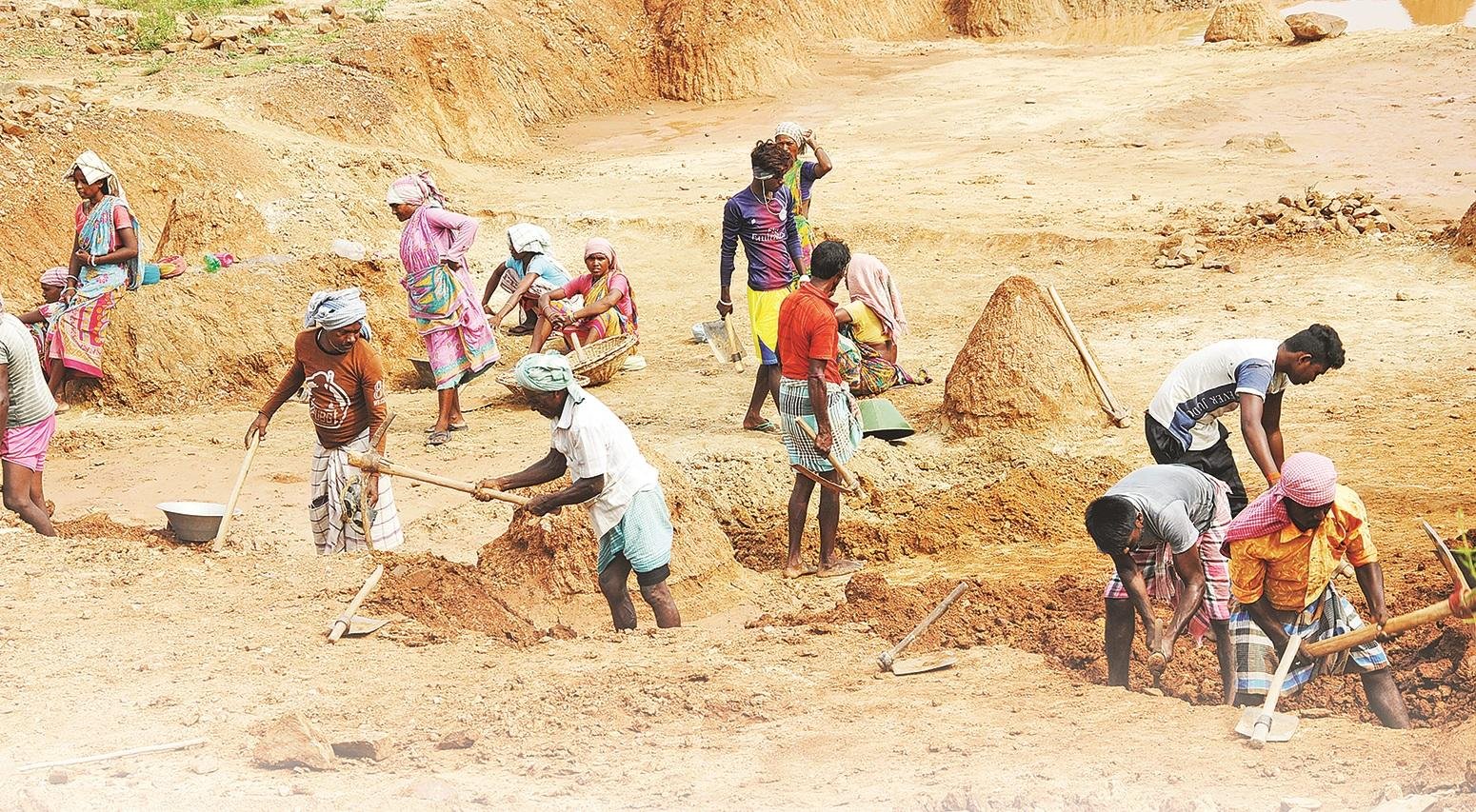
Recent data regarding rural employment generation under the newly transitioned government framework has revealed a notable decline in person-days recorded during the first month of operation. The figures, which track labor engagement across rural development projects, indicate a sharp contraction compared to the historical benchmarks established under the Mahatma Gandhi National Rural Employment Guarantee Act (MGNREGA). As stakeholders analyze these early trends, the central administration has moved to provide context, attributing the dip to a combination of seasonal agricultural cycles and the logistical complexities inherent in transitioning large-scale welfare schemes.
The Impact of the Monsoon and Sowing Cycles
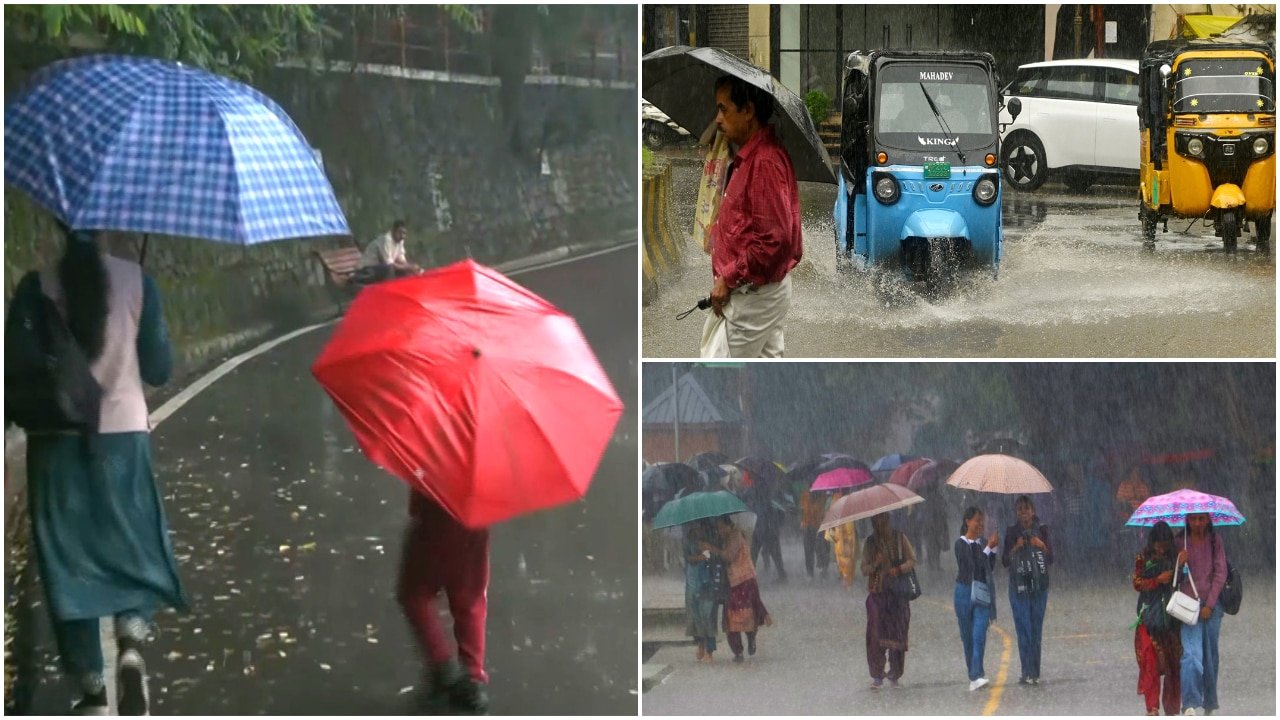
Government officials have underscored that the decline in labor demand is not necessarily indicative of systemic failure, but rather a reflection of the agricultural calendar. July serves as a critical period for primary sector activities across the country. With the arrival and subsequent recovery of the monsoon rains, rural labor has shifted its focus from public works projects to private farming operations. During the peak sowing season, the demand for labor on family farms and commercial agricultural holdings typically surges, naturally drawing workers away from government-supported employment programs.
Furthermore, the Centre has highlighted that the transition period—moving from established MGNREGA protocols to the new operational framework—has necessitated a recalibration of project approvals and administrative oversight. During this phase, local bodies often prioritize the completion of existing infrastructure projects before authorizing new labor-intensive tasks. This administrative "pause" is described as a standard procedural adjustment rather than a permanent reduction in the availability of work for rural populations.
Expert Perspectives on Early-Stage Data
While the government maintains a measured outlook, labor market analysts and rural economists advise caution when interpreting such preliminary data. Experts argue that drawing definitive conclusions from a single month of performance is premature. In the context of large-scale social welfare and infrastructure programs, the first thirty days often capture a period of operational "settling," where data reporting mechanisms are being synced with new policy directives.
Economists emphasize that the true test of the new framework will lie in its ability to provide a "safety net" during the lean agricultural months—specifically the period between sowing and harvest. If the decline in person-days persists beyond the peak sowing window, it may suggest that the current administrative hurdles are deeper than anticipated. For now, the consensus among observers is that the data reflects a temporary displacement of labor toward the fields, necessitated by the vital need to capitalize on favorable monsoon conditions, rather than a contraction in the government’s commitment to providing rural employment.
What This Means for Farmers
For the farming community, these developments signal a period of transition that requires careful navigation of labor availability and operational costs. The primary takeaway is the shift in labor dynamics: as workers prioritize private agricultural sowing, farmers may experience a tightening of the local labor market. This shift often leads to increased competition for daily wage workers, which can drive up labor costs during the critical planting season.
Farmers should consider the following practical implications:
- Budgeting for Wage Fluctuations: With rural labor currently concentrated in active farming rather than public works, farmers should anticipate potential upward pressure on seasonal wage rates. It is advisable to factor these costs into the immediate operational budget for the current Kharif season.
- Monitoring Local Project Resumption: Keep a close watch on local administrative updates regarding the restart of public works in the district. Once the sowing season concludes, a re-entry of labor into the MGNREGA-style programs will likely stabilize local wage expectations.
- Efficiency and Mechanization: Given the volatility in labor availability during peak monsoon months, farmers may find it increasingly beneficial to invest in or rent small-scale mechanization tools for sowing and weeding. Reducing dependence on manual labor during these high-demand windows can provide a buffer against fluctuating employment policy impacts.
- Strategic Planning: Farmers are encouraged to maintain communication with local village councils to understand the timing of upcoming infrastructure projects, as these can impact the availability of casual labor in the post-harvest period.
As the sector moves through the remainder of the monsoon, the interplay between agricultural necessity and government employment programs will remain a key indicator of rural economic health. Farmers should remain agile, focusing on timely sowing to maximize yield, while keeping a watchful eye on how regional labor markets adjust in the coming months.