Parliamentary Standards and the Path Forward: Rajya Sabha Chairman Calls for Orderly Monsoon Session
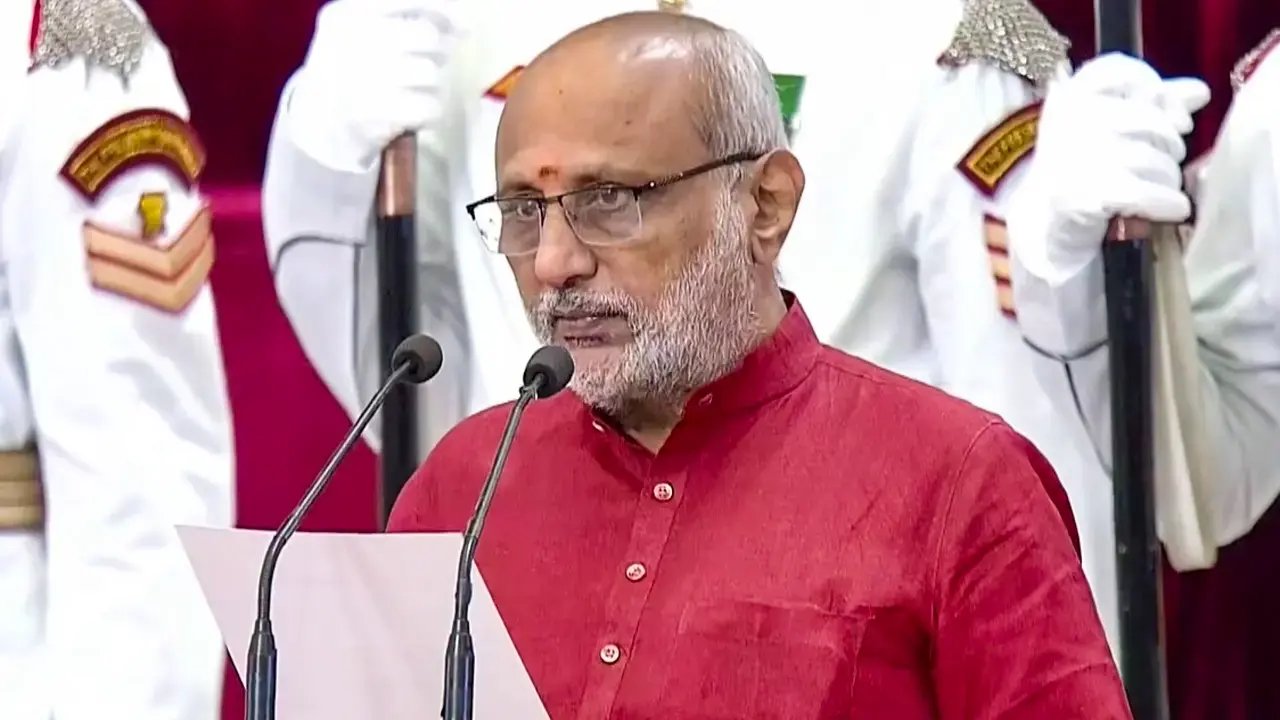
As the Monsoon Session of Parliament commenced this week, Rajya Sabha Chairman Radhakrishnan delivered a pointed opening address that underscored the fundamental tension between robust democratic debate and the necessity of institutional decorum. Addressing the assembly at the outset of the session, the Chairman emphasized that while the exchange of divergent viewpoints is the lifeblood of a functioning democracy, such expressions must be tempered by a commitment to the dignity and sanctity of the Upper House.
The Chairman’s remarks arrive at a critical juncture for the legislative body, as lawmakers prepare to deliberate on a wide array of policy issues, including significant reforms in agricultural trade, rural infrastructure, and resource management. By urging members to prioritize constructive dialogue over disruptive tactics, Radhakrishnan sought to establish a tone of professional responsibility, reminding representatives that the quality of legislative outcomes is inextricably linked to the environment in which they are debated.
The Role of Deliberation in Policy Development
At the heart of the Chairman’s appeal is the recognition that parliamentary procedure is not merely a bureaucratic formality, but a vital mechanism for ensuring that national policies reflect the nuanced needs of a diverse citizenry. In the context of complex sectors like agriculture—which involve stakeholders ranging from smallholder farmers to large-scale agribusinesses—the legislative process requires a high degree of clarity and focus.
When parliamentary sessions are marred by procedural gridlock or excessive discord, the direct consequence is a delay in the scrutiny of vital bills. For the agrarian community, this often translates into prolonged uncertainty regarding price support mechanisms, subsidy structures, and long-term land-use policies. The Chairman’s call for dignity serves as a reminder that the House functions best when it serves as a forum for evidence-based discussion, allowing for the rigorous examination of how proposed laws will impact the economic stability of the rural economy.
Balancing Dissent with Institutional Integrity
Democratic governance relies on the ability of representatives to voice strong opposition to government policy without compromising the structural integrity of the institution. Radhakrishnan highlighted that dissent is not only permitted but essential; however, he cautioned against the erosion of parliamentary norms that occurs when emotional intensity supersedes disciplined discourse. The Chairman’s stance reflects a broader concern among institutional observers that the effectiveness of the Rajya Sabha is being challenged by increasingly polarized political climates.
By framing the dignity of the House as a shared responsibility, the Chairman has shifted the focus toward the collective duty of lawmakers. For policy experts and industry observers, this call to order is seen as a necessary precursor to effective governance. A disciplined House is better equipped to conduct the deep-dive committee work required to refine agricultural legislation, ensuring that the nuances of soil health, irrigation logistics, and market access are properly addressed before bills are signed into law.
What This Means for Farmers
For the farming community, the stability of the Monsoon Session carries significant real-world implications. When Parliament functions efficiently, it facilitates the timely passage of policies that directly influence farm-gate prices, credit availability, and agricultural innovation funding.
Economic Predictability: Orderly sessions increase the likelihood that legislative agendas—such as updates to crop insurance schemes or rural electrification projects—are debated and passed without unnecessary delays. This provides farmers with the market and regulatory certainty needed to make long-term investment decisions for the coming sowing seasons.
Quality of Legislation: A House that maintains its decorum is more likely to engage in detailed scrutiny of agricultural bills. This thoroughness helps to catch potential loopholes or oversights in legislation that could otherwise create administrative burdens for producers or negatively impact supply chain efficiency.
Effective Representation: Farmers rely on their representatives to articulate the realities of rural life within the halls of power. When the House maintains a focus on substantive debate rather than procedural disruption, it ensures that the voices of the agricultural sector are heard more clearly, leading to policy outcomes that are better aligned with the actual needs of those working the land.
Ultimately, the Chairman’s plea serves as a reminder that the legislative process is the bedrock of the national economy. For the agricultural sector, a session characterized by dignity and purpose is not just a matter of political etiquette—it is a prerequisite for a stable, productive, and prosperous future.