Strategic Security and Regional Stability: Defense Minister’s Stance on Kargil Vijay Diwas
On the solemn occasion of Kargil Vijay Diwas, a day dedicated to honoring the bravery and sacrifices of the Indian Armed Forces, Defence Minister Rajnath Singh delivered a resolute message regarding the nation’s security posture. Speaking against the backdrop of historical remembrance, the Defence Minister addressed the ongoing geopolitical challenges posed by Pakistan, signaling a definitive shift in India's diplomatic and security framework. The address underscored that India’s patience regarding state-sponsored instability has reached a threshold, with the government now prioritizing the status of Pakistan-occupied Kashmir (POK) over redundant bilateral dialogues.
The Defence Minister’s remarks come at a time of heightened regional sensitivity. By characterizing terrorism as a core component of Pakistan’s state policy, the Indian leadership has effectively ruled out traditional diplomatic engagement. This hardening of stance is rooted in the continuous attempts to destabilize border regions through proxy activities, which the Indian defense establishment views as an existential threat to regional peace. For the broader public, including the agrarian communities of North India, this message serves as a reminder that national security remains the primary pillar upon which domestic stability and economic growth are built.
Geopolitical Shifts and Border Security Implications
The transition from a policy of engagement to one of firm territorial focus on POK marks a significant pivot in New Delhi's foreign policy. The Defence Minister’s assertion that India cannot be intimidated by terrorism highlights the military’s readiness to counter "terror designs" that seek to disrupt the sanctity of the Indian border. This strategic posture is designed to deter external actors who have historically utilized cross-border instability to distract from internal developmental agendas.
From an administrative perspective, this shift is expected to have long-term implications for the northern states, particularly Punjab and Jammu & Kashmir. A secure border is the prerequisite for the uninterrupted flow of commerce, trade, and agricultural activities. When border tensions escalate, the resulting security protocols often lead to logistical bottlenecks and movement restrictions. By taking a proactive stance on the security front, the central government aims to neutralize threats before they can impact the socioeconomic environment of these vital border regions, ensuring that the focus remains on development rather than perpetual crisis management.
What This Means for Farmers
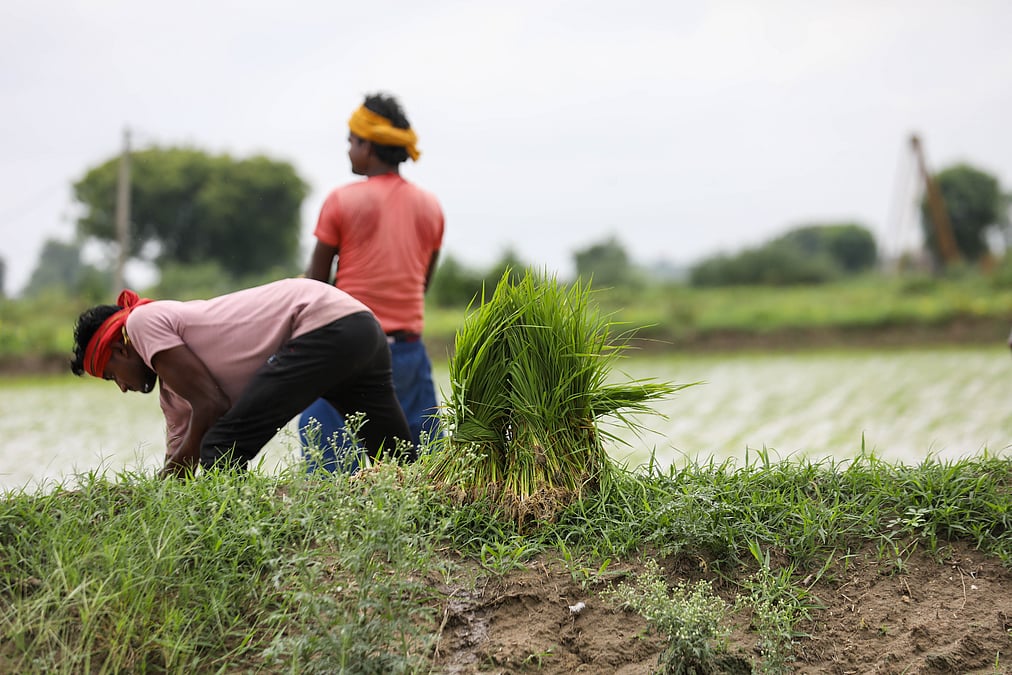
While geopolitical discourse may seem distant from the fields, the practical consequences for the farming community in Punjab and neighboring states are significant. Farmers are the primary stakeholders in the security of the border belt, and stability is essential for the seamless operation of the agricultural supply chain.
- Uninterrupted Agricultural Operations: A stable security environment ensures that farmers in border districts can carry out their seasonal sowing, irrigation, and harvesting without the risk of security-related disruptions or curfews.
- Market Stability and Logistics: Regional conflict often leads to supply chain volatility. By prioritizing a firm security policy, the government aims to minimize the risk of border closures that could hinder the transport of fertilizers, machinery, and the movement of produce to grain markets (mandis).
- Long-term Investment Confidence: When the central government maintains a strong stance on border security, it creates a predictable environment for long-term investments in rural infrastructure, such as cold storage facilities and irrigation projects, which are vital for the modernization of the agricultural sector.
- Focus on Domestic Development: By signaling that the era of constant, unproductive bilateral dialogue is over, the administration is focusing its resources on internal growth. For the farming community, this translates into a greater emphasis on domestic policies, such as input subsidies, crop diversification initiatives, and the strengthening of the Minimum Support Price (MSP) framework, rather than being sidelined by external threats.
In conclusion, the message delivered on Kargil Vijay Diwas is not merely a diplomatic statement; it is a reaffirmation of the state’s commitment to protecting its sovereign interests. For the agricultural heartland of India, this translates into a necessary shield, allowing the farming community to focus on their primary objective: ensuring the nation's food security in a stable and secure environment.