Rajasthan Joins Move Toward Uniform Civil Code as State Cabinet Greenlights Bill
The government of Rajasthan has officially signaled its intent to implement a Uniform Civil Code (UCC) across the state, with the Cabinet recently clearing a draft bill to that effect. This development positions Rajasthan to become the fifth state governed by the Bharatiya Janata Party (BJP) to pursue such legislation, following in the footsteps of Uttarakhand, Assam, Gujarat, and Madhya Pradesh. The move marks a significant shift in the state’s legislative landscape, aiming to replace diverse personal laws based on religious affiliations with a single, unified framework governing civil matters.
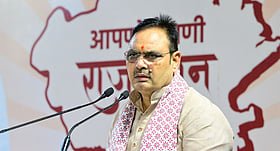
Chief Minister Bhajanlal Sharma took to social media platform X to announce the Cabinet’s decision, framing the move as a transformative milestone for the state. In his statement, the Chief Minister underscored that the legislation is designed to foster equality and fairness, suggesting that the standardization of civil laws will streamline legal processes and ensure that all citizens, regardless of their background, are subject to the same regulatory standards. The administration has positioned the bill as a tool for social cohesion, emphasizing the intent to modernize legal governance in Rajasthan.
Legislative Intent and the Debate Over Consultation
The announcement has immediately sparked a robust political discourse within the state. Proponents of the bill argue that a Uniform Civil Code is essential for establishing a secular legal foundation that upholds the constitutional principle of equality before the law. By consolidating laws pertaining to marriage, inheritance, divorce, and property rights, supporters suggest that the bill will provide greater clarity and legal security for all residents.
However, the move has been met with vocal opposition from the Congress party, which has raised critical concerns regarding the legislative process. Opposition leaders have highlighted a perceived lack of public consultation and stakeholder engagement prior to the Cabinet’s approval. Critics argue that such a fundamental change to the legal framework requires extensive deliberation with community leaders, legal experts, and the public at large to ensure that the diverse cultural and traditional practices inherent to Rajasthan are appropriately considered. The debate underscores a broader national tension between the push for legislative uniformity and the preservation of customary practices.
Navigating the Legal and Social Landscape
The introduction of the UCC in Rajasthan is expected to face a rigorous legislative journey as it moves toward the state assembly. Legal experts note that the implementation of such a code is an intricate task, as it necessitates the careful balancing of modern legislative goals with constitutional protections for religious and cultural identity. As the government moves forward, the focus will likely shift to the specific provisions of the draft bill, particularly how it addresses long-standing practices regarding property succession and personal rights.
For the state administration, the challenge will be to ensure that the transition to a uniform code is perceived as inclusive and transparent. The political stakes are high, as the government seeks to balance its ideological commitment to the UCC with the practical realities of governing a state with a complex demographic and social fabric. Analysts suggest that the coming weeks will likely see an intensification of public debate, with the government expected to defend the bill’s merits while the opposition continues to demand a more participatory approach to the legislative process.
What This Means for Farmers
While the Uniform Civil Code primarily addresses issues of personal law, its implementation carries significant indirect implications for the agricultural sector and rural landholders in Rajasthan. Farmers should be aware of the following potential impacts:
- Land Inheritance and Succession: A standardized civil code often brings changes to inheritance laws. For rural families, where land is the primary asset, any shift in succession rights could impact how agricultural holdings are divided among heirs. It is crucial for farming households to monitor how the bill defines inheritance rights to ensure that future land fragmentation or consolidation is managed in accordance with the new legal standards.
- Legal Documentation and Land Titles: Uniform laws often necessitate the updating of legal documentation. Farmers may find that the government eventually requires the alignment of personal records with updated civil statutes. Maintaining clear, updated documentation of land ownership and family genealogy is advised to prevent future disputes during the transition period.
- Economic Planning: Changes to marriage and property laws can influence long-term financial planning for farming enterprises. Families should consider consulting with legal advisors to understand how the new code might affect their estate planning or the transfer of agricultural assets to the next generation.
- Need for Engagement: As the legislative process unfolds, rural community members are encouraged to participate in public discourse or seek information through local representatives. Understanding the specific clauses of the bill will be vital for protecting the interests of agricultural families and ensuring that customary land-use rights are protected under the new framework.