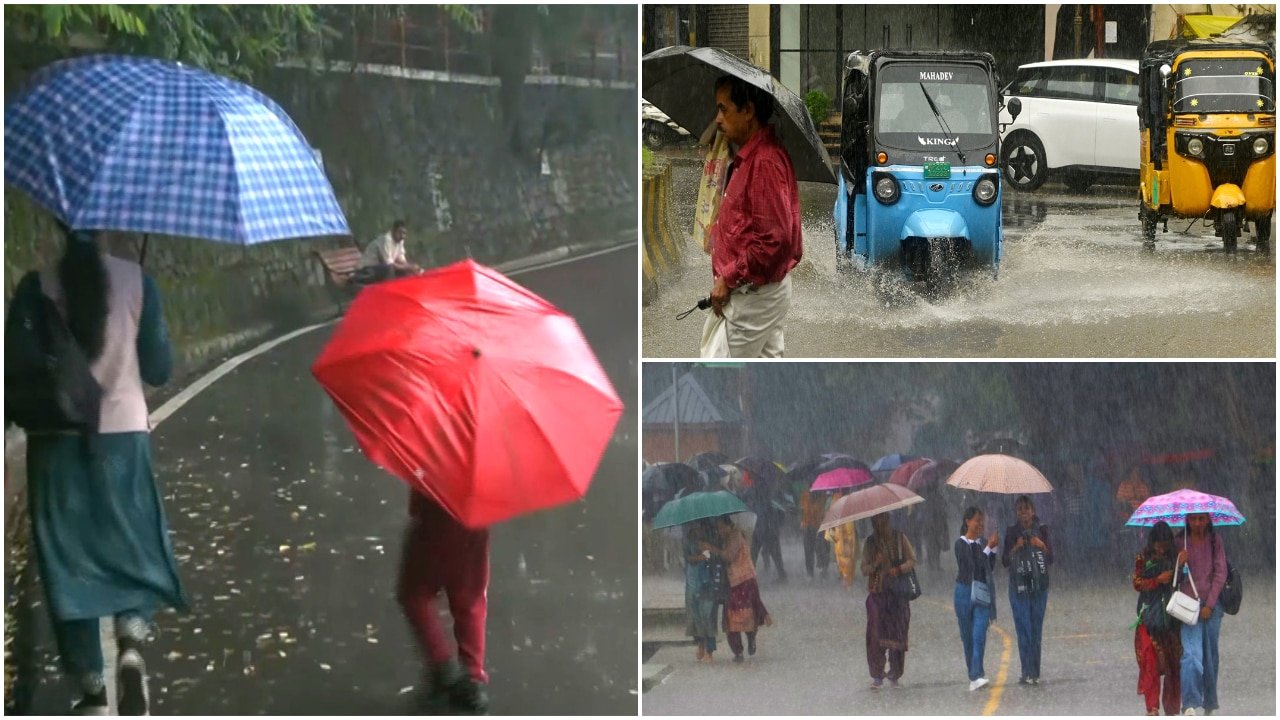
Delhi Braces for Weather Shift: IMD Forecasts Rain and Thunderstorms
Residents across the National Capital Region experienced a mild and pleasant start to their Friday, with early morning temperatures hovering around a comfortable 25°C. However, the India Meteorological Department (IMD) has issued a forecast indicating that this tranquil atmosphere is set to shift as the day progresses. According to the latest meteorological data, a combination of moisture influx and localized atmospheric instability is expected to trigger rain and thunderstorms across Delhi and its surrounding areas.
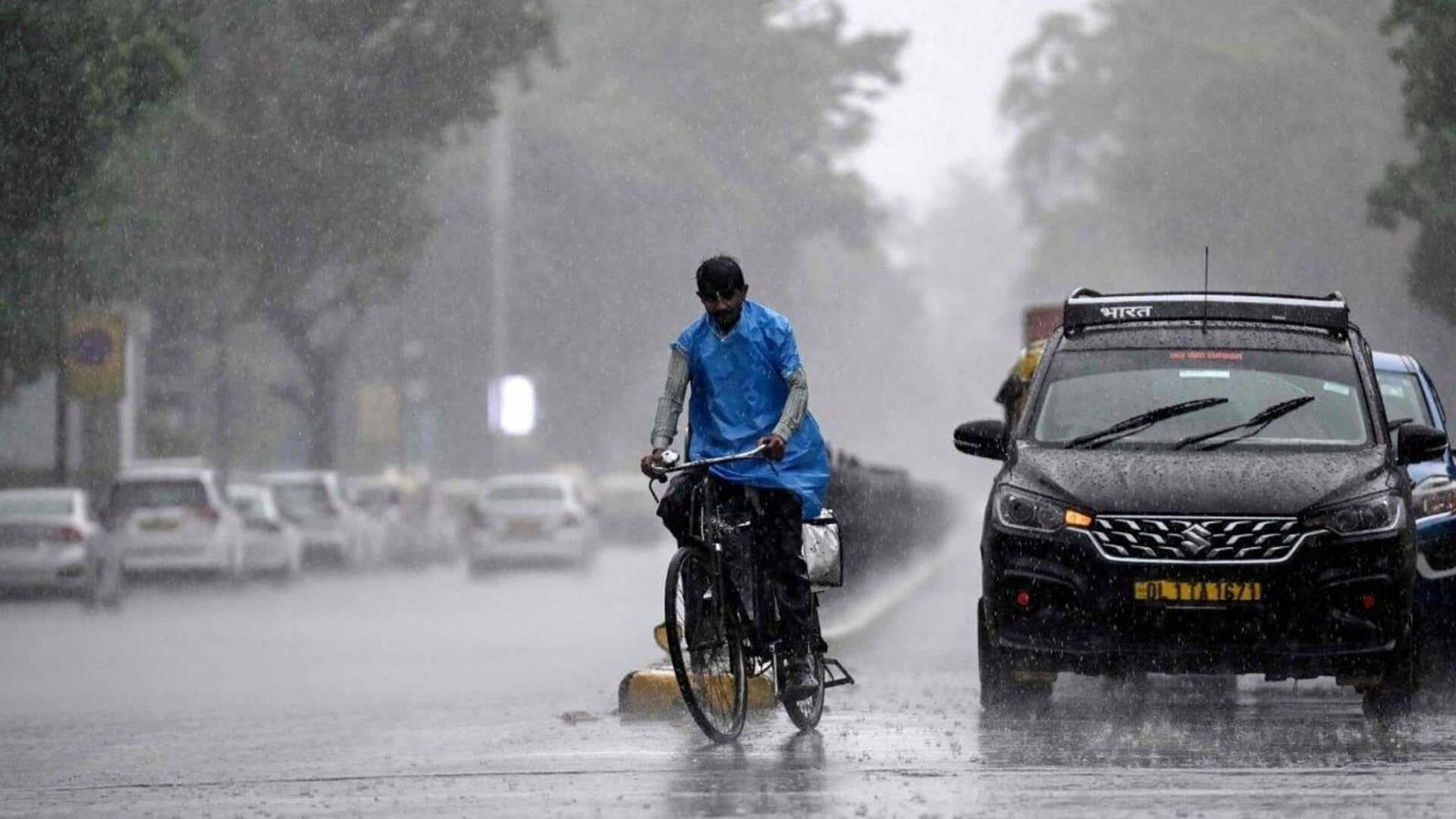
The transition from a clear, temperate morning to a more turbulent afternoon is typical of the current seasonal variability. Meteorologists are monitoring the movement of localized clouds that are expected to bring much-needed cooling to the urban heat island, though the precipitation also brings concerns regarding infrastructure and the potential for temporary waterlogging in low-lying sectors.
Atmospheric Dynamics and Seasonal Trends
The current weather pattern is being driven by the interaction between prevailing wind directions and localized convective activity. As the surface temperature rises throughout the day, the heating of the land mass often leads to the rapid formation of cumulonimbus clouds, which are the primary drivers of the sudden thunderstorms forecasted for the region. These systems are often short-lived but can be high-intensity, bringing heavy downpours in concentrated areas.
The IMD has advised that while the rain is expected to provide relief from the residual warmth, citizens should remain vigilant for sudden gusts of wind that often accompany these convective storms. For the agricultural belts on the periphery of the National Capital, this rainfall is a critical variable. While intermittent showers can help recharge soil moisture levels, the intensity of the storm—particularly if accompanied by lightning—requires careful monitoring by those managing outdoor operations.
Agricultural Preparedness in the Peri-Urban Belt
The agricultural zones surrounding Delhi, which focus heavily on vegetable cultivation, floriculture, and dairy production, are particularly sensitive to these sudden shifts in weather. The forecasted thunderstorms represent a dual-natured event for farmers. On one hand, the precipitation helps in cooling the microclimate, which can reduce heat stress on livestock and high-value greenhouse crops. On the other hand, heavy rainfall occurring in a short window can lead to soil crusting or the damage of delicate, standing vegetable crops if proper drainage is not maintained.
Agronomists suggest that during periods of expected storm activity, producers should prioritize the clearing of drainage channels to prevent water stagnation. For those involved in open-field cultivation, the focus should remain on protecting harvested produce from moisture, as high humidity levels following a storm can significantly increase the risk of fungal infections and post-harvest losses.
What This Means for Farmers
For farmers operating in and around the Delhi NCR region, the IMD’s forecast serves as a prompt for immediate operational adjustments. The following points outline the practical impacts and actionable steps to be taken:
- Livestock Management: During thunderstorms, ensure that livestock are moved to sheltered areas. Lightning strikes and sudden temperature drops can cause stress, which impacts milk yield in dairy cattle. Ensure that sheds are well-ventilated but protected from driving rain.
- Crop Protection: If you are currently in the middle of a harvest cycle, prioritize the movement of gathered produce into storage facilities. High moisture content in harvested grains or vegetables can trigger rapid spoilage and mold growth.
- Field Drainage: Check field drainage systems immediately. Even moderate rainfall can cause localized flooding in low-lying fields, which may lead to root rot in sensitive vegetable crops. Clearing silt from irrigation and drainage canals is essential to manage the influx of water.
- Input Application: Avoid the application of fertilizers or pesticides in the hours immediately preceding a thunderstorm. Rain will cause significant leaching of nutrients and runoff of chemical treatments, rendering the application ineffective and potentially harmful to local water bodies.
- Monitor Local Alerts: Keep a close eye on real-time updates from the IMD or local agricultural extension offices. Weather in the region can be highly localized; what is a light drizzle in one district may be a severe storm in another.
By staying proactive, farmers can mitigate the risks associated with these sudden weather events, ensuring that the moisture provided by the rain is utilized as a benefit to the soil rather than a disruption to the agricultural cycle.