The Monsoon Shift: Why Gujarat’s Wedding Industry is Embracing the Rainy Season
For decades, the wedding calendar in Gujarat has been dictated by the traditional lunar cycle, with peak celebrations tightly packed into the cooler, dry months. However, a significant shift in consumer behavior is currently reshaping the state’s hospitality landscape. An increasing number of couples are choosing to exchange vows during the monsoon season, transforming what was once considered a quiet, off-peak period into a vibrant, high-demand window for the wedding industry.
This emerging trend is driven by a combination of economic pragmatism and a desire for more intimate, aesthetically unique celebrations. As the industry adapts to this change, hotels, resorts, and event planners are reporting a surge in inquiries and bookings for the months typically associated with heavy rainfall, marking a departure from the conventional wedding season norms.
Economic Incentives and Venue Accessibility
The primary driver behind the rise of monsoon weddings is the significant economic advantage. During the traditional peak season, demand for premium venues often outstrips supply, leading to inflated costs for banquet halls, catering services, and accommodation. By opting for the monsoon months, couples are finding themselves in a much stronger bargaining position.
Hotels and luxury resorts, which traditionally experience a dip in occupancy during the rains, are increasingly offering aggressive pricing strategies to attract wedding parties. These "monsoon packages" often include bundled services such as discounted room rates, complimentary venue upgrades, and bespoke catering options that were previously unattainable during the winter rush. For families looking to balance grand aspirations with fiscal responsibility, the rainy season provides an ideal opportunity to secure top-tier venues at a fraction of the usual cost.
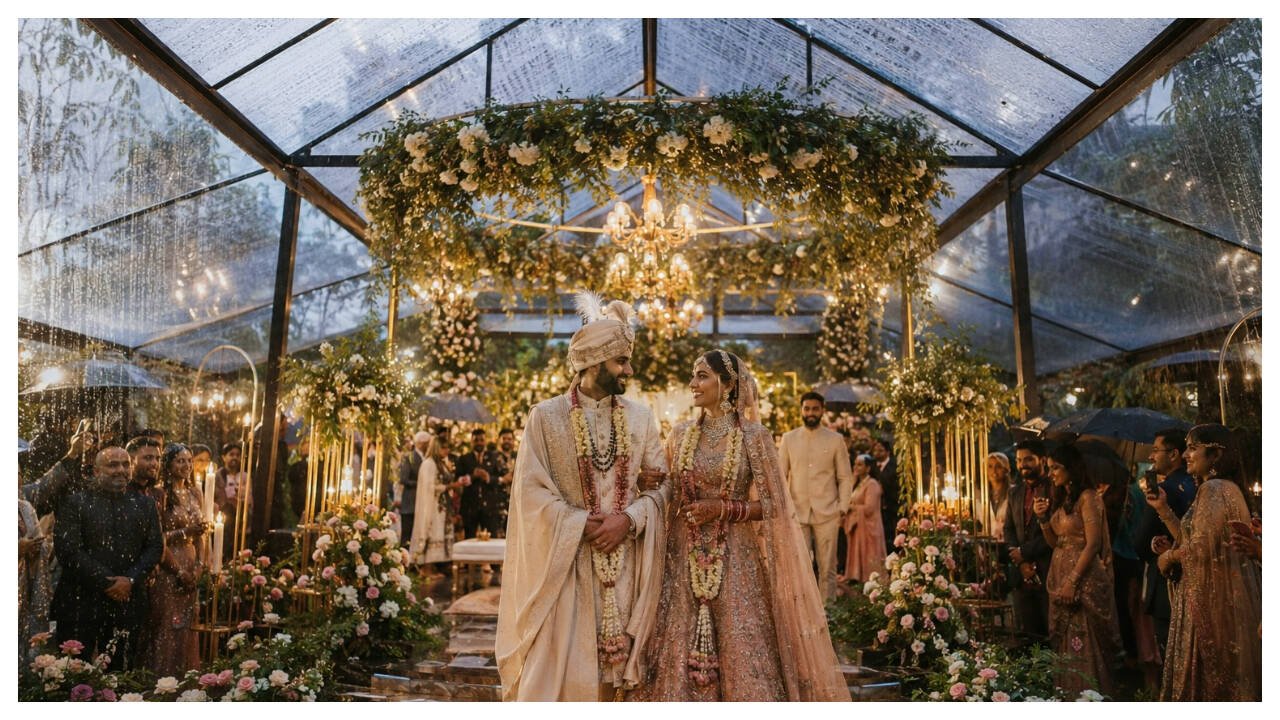
Beyond the financial incentives, the monsoon offers a unique atmospheric appeal. The lush green landscapes that follow the first rains provide a stunning, natural backdrop for photography and outdoor-indoor hybrid ceremonies. This shift towards "destination-style" monsoon weddings is allowing couples to curate a more personalized experience, away from the frantic pace and logistical bottlenecks of the peak wedding season.
Logistics, Planning, and the Evolution of Service
While the aesthetic and economic arguments for monsoon weddings are compelling, they present distinct operational challenges. Professional wedding planners have had to evolve their service models to ensure that unpredictable weather does not derail the festivities. Modern event management now places a heavy emphasis on robust contingency planning.
This includes the widespread adoption of high-quality, weather-resistant infrastructure. From sophisticated marquee setups and climate-controlled indoor spaces to advanced drainage management for outdoor venues, planners are utilizing technology to mitigate the risks of heavy rainfall. Furthermore, there is a heightened focus on logistics, such as arranging reliable transportation for guests and ensuring that catering services are equipped to maintain food safety and quality under humid conditions.
The success of this trend relies on a proactive communication strategy. Planners are now working closely with families to manage expectations and ensure that every contingency—from indoor ceremony alternatives to rain-proof decor—is accounted for well in advance. By treating the monsoon as a deliberate design choice rather than an inconvenience, the industry is creating a new standard for year-round event execution.
What This Means for Farmers
While the rise of monsoon weddings is primarily a hospitality and retail trend, it holds broader implications for the agricultural sector and rural-urban economic integration in Gujarat.
- Increased Demand for Seasonal Produce: The shift toward year-round weddings means a more consistent demand for high-quality floral arrangements and fresh produce. Farmers who specialize in floriculture and off-season vegetable cultivation may find new, localized markets within the hospitality sector that require fresh supplies regardless of the traditional calendar.
- Diversification of Rural Income: Many wedding venues are located in peri-urban or rural outskirts. An increase in footfall during the monsoon months provides a steady revenue stream for local service providers, including transport operators, local labor, and small-scale suppliers, effectively diversifying the rural economy beyond traditional crop cycles.
- Agro-Tourism Synergies: As couples seek out scenic, rural, or farm-based wedding venues to capitalize on the monsoon greenery, there is a growing opportunity for farmers to explore agro-tourism. By maintaining well-landscaped properties, farm owners can position their land as premium wedding destinations, creating a high-margin alternative revenue stream that is less dependent on harvest yields.
- Economic Stability: By flattening the peak-season demand curve, the hospitality industry becomes more stable. For rural suppliers who rely on the wedding industry for a portion of their income, this transition helps smooth out seasonal cash flow, providing greater financial predictability throughout the year.