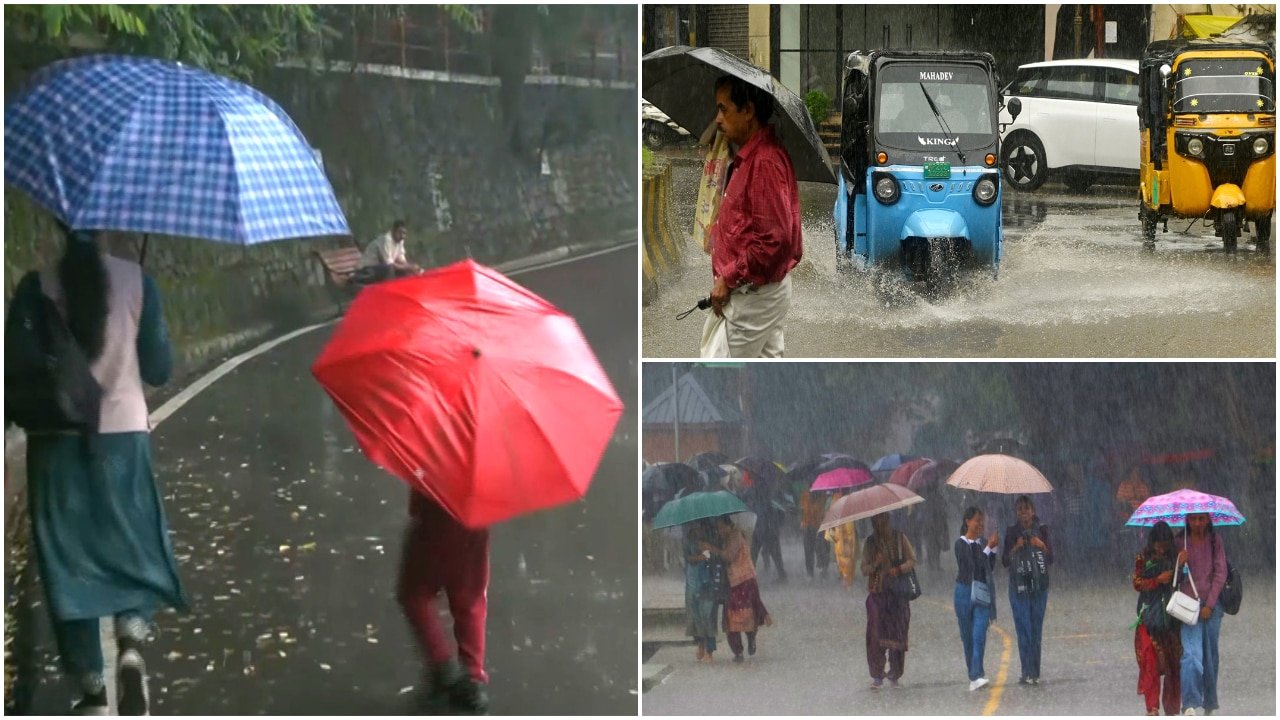
Monsoon Surge Forecast: Heavy Rainfall Expected Across Key Agricultural Belts
The India Meteorological Department (IMD) has issued a series of high-alert warnings as the monsoon current experiences a significant intensification across the subcontinent. As of August 11, atmospheric conditions are aligning to trigger heavy to very heavy rainfall across several critical states, including Delhi, Rajasthan, Madhya Pradesh, and Odisha. This surge in precipitation is expected to alter the short-term agricultural landscape, bringing a mix of relief for moisture-stressed crops and potential challenges related to waterlogging and field access.
The current weather system is being driven by the convergence of moisture-laden winds from the Bay of Bengal interacting with established monsoon troughs. Meteorological data indicates that these systems are strengthening as they move inland, creating the potential for intense downpours that could impact both urban infrastructure and rural cropping cycles. For farmers, this period marks a critical juncture in the Kharif season, where rainfall distribution plays a decisive role in final yield outcomes.
Regional Impact and Moisture Distribution
The intensity of the rainfall is expected to vary significantly across the affected states, each presenting unique agronomic conditions. In Rajasthan, a state that often grapples with erratic monsoon patterns, the arrival of heavy showers is crucial for replenishing soil moisture levels in parched districts. This moisture is vital for the development of oilseed crops and pulses, which are currently in their vegetative growth phase.
Conversely, in Madhya Pradesh and Odisha, the challenge may lean toward management rather than deficiency. Heavy to very heavy rainfall in these regions can lead to rapid saturation of the soil profile. In low-lying agricultural zones, this creates an immediate risk of inundation, which can stress the root systems of standing crops like paddy and soybean. Farmers in these areas are advised to monitor drainage channels closely to prevent crop damage caused by stagnant water, which can facilitate the onset of fungal diseases and nutrient leaching.
In Delhi and the surrounding National Capital Region, the expected showers are likely to provide a temporary dip in temperatures, though the primary concern remains the potential for localized flooding in poorly drained fields. While the precipitation is welcomed for regional reservoirs and groundwater recharge, the velocity of the rainfall will be the determining factor in whether the water is absorbed effectively or leads to surface runoff and soil erosion.
Strategic Considerations for Crop Health
Beyond the immediate moisture benefits, heavy monsoon episodes require proactive field management to mitigate the risk of long-term losses. Agricultural experts emphasize that excessive rainfall during the peak of the season can disrupt critical field operations, such as the application of top-dress fertilizers or pest management interventions. When fields are waterlogged, the efficacy of chemical applications is often reduced, and the physical act of traversing the land becomes hazardous for both machinery and labor.
Furthermore, the increased humidity associated with widespread rainfall creates an environment conducive to the proliferation of pests and pathogens. Farmers should remain vigilant for early signs of leaf spot, blight, or insect infestations that thrive in high-humidity conditions. Integrated Pest Management (IPM) practices, including the use of preventive bio-fungicides where appropriate, should be prioritized as soon as weather conditions allow for safe field access.
What This Means for Farmers
The intensification of the monsoon brings both opportunities and operational risks. To navigate the coming days effectively, farmers should consider the following actionable steps:
- Prioritize Field Drainage: Ensure that drainage canals are clear of debris to prevent water stagnation in fields planted with sensitive crops like soybeans and pulses.
- Delay Fertilizer Application: Avoid applying fertilizers just before heavy rainfall, as the nutrients—particularly nitrogen—are prone to leaching, resulting in both economic loss and reduced crop uptake. Wait for a clear window of at least 48 hours to ensure effective absorption.
- Monitor Crop Health: Scout fields diligently for signs of fungal infections or pest outbreaks following the heavy rain. The combination of warmth and moisture is a catalyst for rapid disease development.
- Assess Groundwater Recharge: For regions that have faced prolonged dry spells, this rainfall is an excellent opportunity to manage farm-level rainwater harvesting structures. Properly managed runoff can be channeled into farm ponds for secondary irrigation during dry spells later in the season.
- Stay Updated: Continue monitoring local weather bulletins, as the movement of monsoon troughs can be unpredictable. Rapid updates from district agricultural offices and meteorological apps can help in making real-time decisions regarding harvesting or protective measures.
While the heavy rainfall is generally viewed as a positive development for national reservoir levels and long-term irrigation security, the immediate focus for the farming community must be on maintaining crop vigor and preventing damage from excessive saturation. By staying proactive, producers can maximize the benefits of this monsoon surge while minimizing the physical and economic risks associated with extreme weather events.