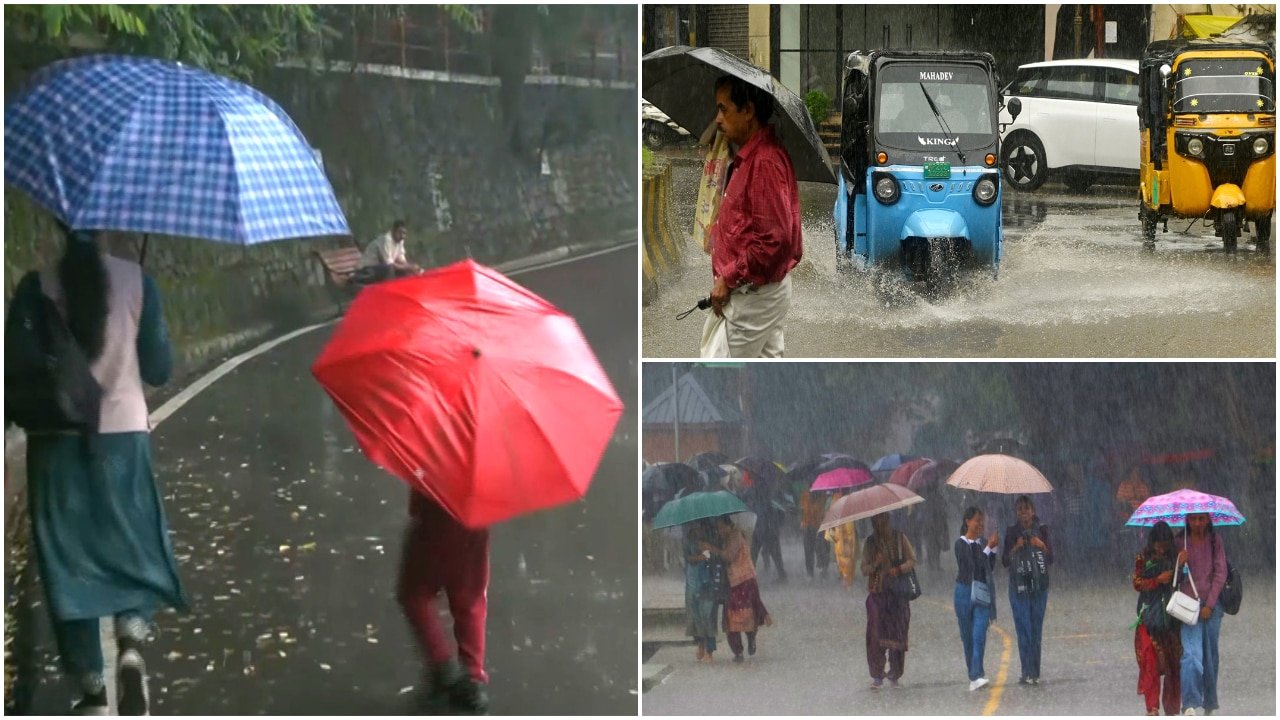
Monsoon Intensifies: Widespread Rainfall Expected Across Key Indian Regions
The Indian monsoon season has entered an aggressive phase, with meteorological agencies issuing widespread alerts for heavy precipitation across the subcontinent. The current weather pattern is characterized by a robust moisture surge, which is expected to trigger significant rainfall events throughout the week. While the monsoon is a critical component of India’s agricultural cycle, the intensity of this current spell poses immediate challenges for logistics, rural infrastructure, and the movement of goods across both northwest and central corridors.
Meteorological data indicates that low-pressure systems are consolidating, leading to convective storm activity that will likely disrupt standard transport networks. From the arid plains of the northwest to the humid landscapes of the northeast, the sheer volume of anticipated rainfall suggests that ground-level mobility will be significantly hindered. Authorities are advising that travel plans should be closely monitored, as waterlogging and localized flooding remain high-probability risks in both urban centers and rural transit hubs.
Regional Breakdown: Storms and Sustained Downpours
The northwest and central regions of India are currently at the center of the meteorological spotlight. These areas are bracing for strong, localized storm activity that is expected to arrive with high-velocity winds. For these regions, the primary concern is the suddenness of the precipitation, which can lead to rapid runoff and potential damage to standing infrastructure. In agricultural terms, these regions are currently in a delicate phase where excessive water accumulation could lead to soil saturation issues in fields that have already received substantial moisture this season.
Meanwhile, the northeast of India is expected to experience a shift in intensity later in the week. Forecast models suggest that the rainfall in this region will be particularly severe, potentially impacting the logistical chains that connect remote agricultural belts to larger market hubs. Simultaneously, the eastern and southern coastal regions are bracing for a period of sustained, continuous rain. Unlike the sudden storm bursts expected in the north, the coastal belts are facing a persistent weather pattern that is likely to saturate transport corridors for several consecutive days, impacting everything from the movement of daily perishables to the operation of regional ferry and road networks.
Agronomic and Logistical Challenges
The arrival of such widespread heavy rain presents a complex duality for the agricultural sector. While adequate moisture is essential for the health of Kharif crops, the timing and intensity of these downpours can be detrimental if not managed correctly. Heavy rainfall during this stage of the season poses risks of crop lodging—where plants are flattened by wind and water—and creates an environment conducive to fungal diseases and pest proliferation. Furthermore, the saturation of field access roads often prevents farmers from applying necessary inputs or conducting routine field monitoring, effectively stalling farm-gate operations.
Beyond the field, the impact on the supply chain is significant. The transport of produce from farm to market relies on reliable road infrastructure. When heavy rains cause delays or road closures, the resulting bottleneck can lead to increased post-harvest losses, particularly for high-moisture or perishable commodities. As transit times increase, the quality of goods often declines, leading to price volatility in local wholesale markets. Logistics managers and agricultural cooperatives are currently being urged to account for these delays in their distribution schedules to mitigate the economic ripple effects of the weather-induced slowdown.
What This Means for Farmers
For the farming community, the next few days require a proactive approach to risk management. First and foremost, farmers should prioritize the maintenance of field drainage systems. Ensuring that water can move away from crop rows efficiently is the most effective way to prevent waterlogging and root rot. If fields are prone to flooding, clearing drainage channels now can save a significant portion of the harvest.
Secondly, farmers should exercise caution regarding the timing of chemical or fertilizer applications. Applying inputs immediately before a heavy downpour is largely counterproductive, as the nutrients are likely to be washed away through runoff rather than absorbed by the soil. It is advisable to wait for a clear window in the weather to ensure that investments in crop inputs are not wasted.
Finally, for those involved in the supply chain, it is essential to plan for potential transit delays. If you are preparing for a harvest or the shipment of goods, consider accelerating your logistics schedule to beat the peak of the forecasted rain or, conversely, delaying transport until weather conditions stabilize to prevent the spoilage of sensitive products. Staying updated with daily local weather bulletins will be critical in making real-time decisions that protect both crop yields and profit margins during this volatile week.