IMD Issues Wide-Scale Rainfall Alert: Heavy Precipitation Expected Across India Through Mid-August
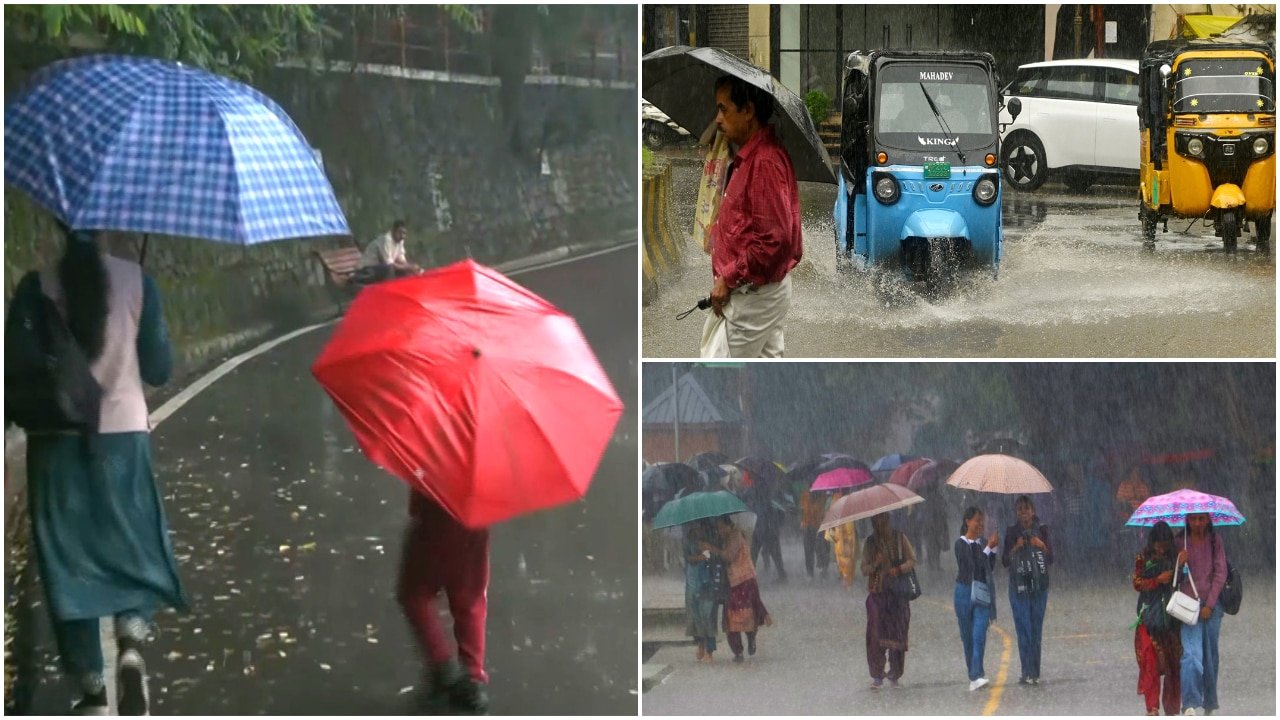
The India Meteorological Department (IMD) has issued a comprehensive weather alert signaling an active monsoon phase across several critical agricultural belts. According to the latest meteorological bulletins, a series of weather systems is expected to bring heavy to very heavy rainfall to vast swathes of Northwest, Central, and Eastern India. This high-intensity weather pattern is forecasted to persist through August 17, placing state disaster management authorities and the farming community on high alert.
The forecast highlights significant moisture surges originating from the Bay of Bengal, which are expected to interact with existing monsoon troughs. While these rains are essential for replenishing groundwater levels and supporting the final stages of kharif crop development, the intensity of the projected rainfall raises concerns regarding potential waterlogging, soil erosion, and crop damage in low-lying areas. Meteorological experts are closely monitoring the movement of these weather systems to provide granular updates to regional administrative bodies.
Regional Impact and Meteorological Drivers
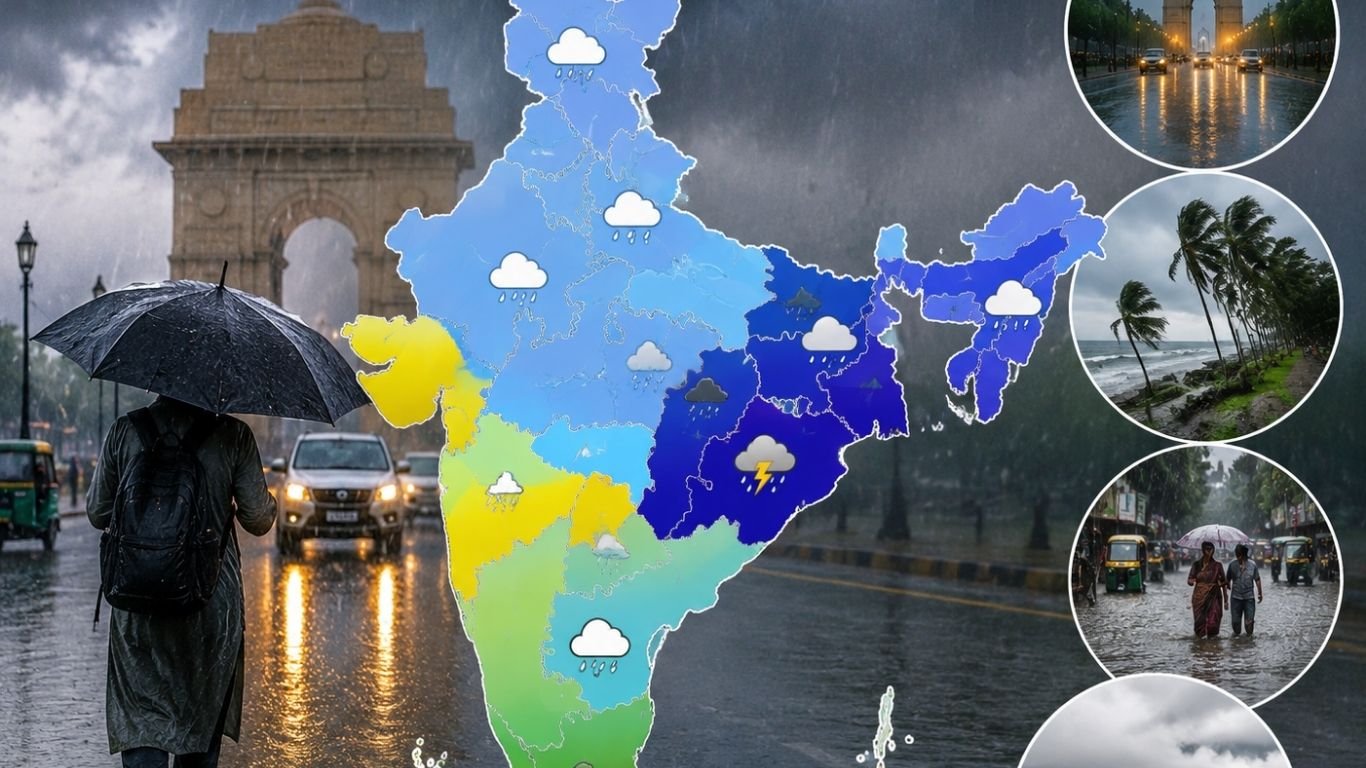
The IMD’s forecast identifies distinct geographical zones that will experience the brunt of the weather activity. In Northwest India, including the national capital region, the influx of moisture is expected to provide relief from recent humidity, though persistent cloud cover and intermittent heavy spells may disrupt field operations. The atmospheric conditions are currently conducive to widespread rainfall, which is predicted to extend across Rajasthan, Punjab, and Haryana over the coming days.
Simultaneously, Eastern and Central India—specifically Odisha and West Bengal—are bracing for more severe weather. The formation of low-pressure systems in these regions often leads to concentrated, high-volume rainfall within short durations. Such events are particularly challenging for agricultural landscapes where field drainage systems may be overwhelmed. The IMD has advised residents and agricultural stakeholders in these states to exercise caution, as the combination of high wind speeds and intense precipitation could impact infrastructure and standing crops alike.
The Role of Monsoon Dynamics in Kharif Production
The current monsoon trajectory is a critical determinant for India’s agricultural output. The kharif season, which relies heavily on the timely arrival and distribution of rainfall, is currently in a vital growth phase for major crops such as paddy, pulses, and oilseeds. Consistent moisture is necessary to ensure optimal grain filling and vegetative growth; however, excess rainfall during this window can be a double-edged sword.
Excessive soil saturation can lead to hypoxia in plant roots, potentially hindering nutrient uptake and increasing the susceptibility of crops to fungal infections. Furthermore, the intensity of the rain predicted by the IMD necessitates careful management of irrigation infrastructure. In regions where rainfall has been deficit until now, these upcoming showers will likely be welcomed as a much-needed boost to soil moisture profiles. Conversely, in areas that have already received abundant rainfall, farmers must prioritize field drainage to mitigate the risk of crop lodging and yield losses.
What This Means for Farmers
For the agricultural community, the IMD’s forecast serves as an urgent call to action. Farmers are advised to take the following steps to protect their investments and ensure the viability of the current harvest:
- Prioritize Field Drainage: Ensure that drainage channels in paddy and vegetable fields are clear of debris to prevent waterlogging. Rapid removal of excess water is the most effective way to prevent root rot and physiological stress in crops.
- Postpone Chemical Applications: Avoid the application of fertilizers, herbicides, or pesticides during the forecast window. Heavy rainfall will wash away these inputs, leading to both economic waste and environmental runoff into local waterways.
- Monitor for Pests and Diseases: High humidity and waterlogged conditions create ideal breeding grounds for fungal pathogens and certain insect populations. Farmers should conduct frequent scouting of their fields and be prepared to implement integrated pest management strategies as soon as weather conditions stabilize.
- Secure Harvested Produce: For farmers in regions where early-maturing crops are being harvested, it is essential to move produce to covered, dry storage areas immediately. Exposure to high moisture levels post-harvest can lead to rapid spoilage and a significant reduction in market value.
- Stay Informed: Weather patterns can shift rapidly during the monsoon season. Farmers should rely on official updates from the IMD and local agricultural extension offices rather than unverified reports to make time-sensitive management decisions.
As the monsoon enters this intensified phase, the synergy between meteorological monitoring and on-farm adaptive management remains the best defense against the challenges posed by extreme weather events. By proactively managing soil and water resources, the farming community can better navigate this period of heightened rainfall and work toward a successful kharif yield.