Pune Weather Update: Rainfall Subsides as Monsoon Systems Weaken
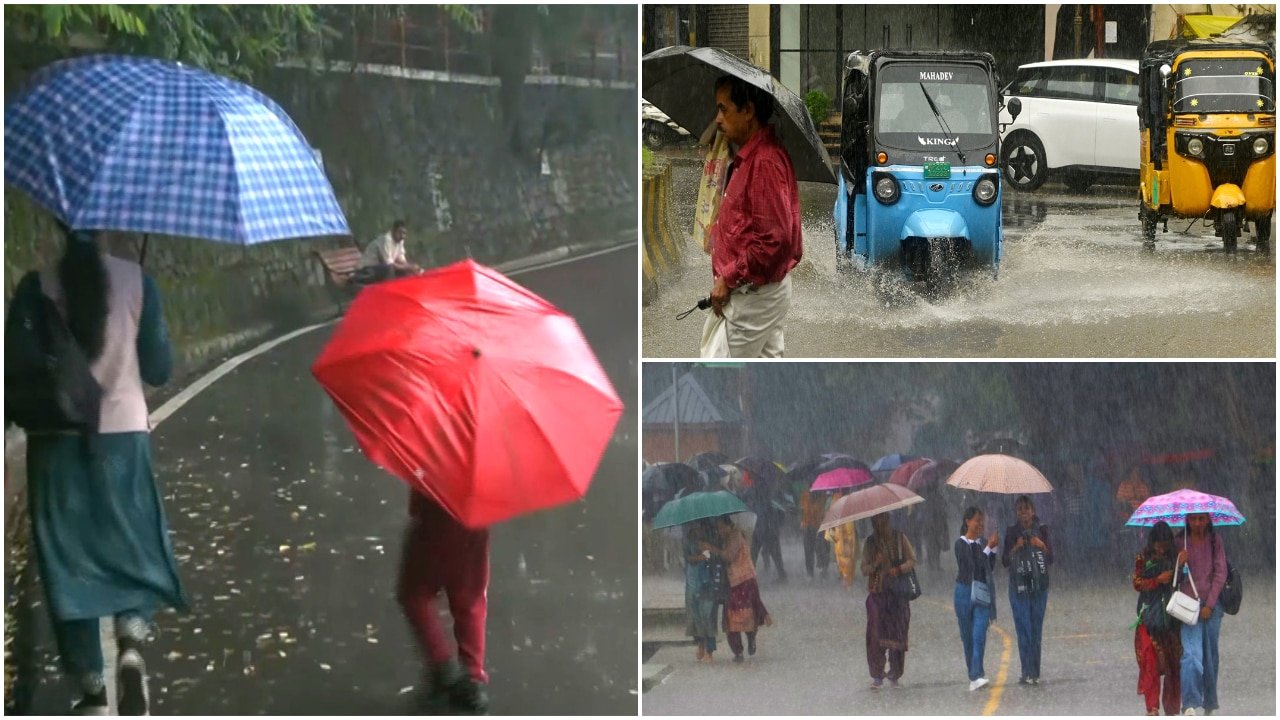
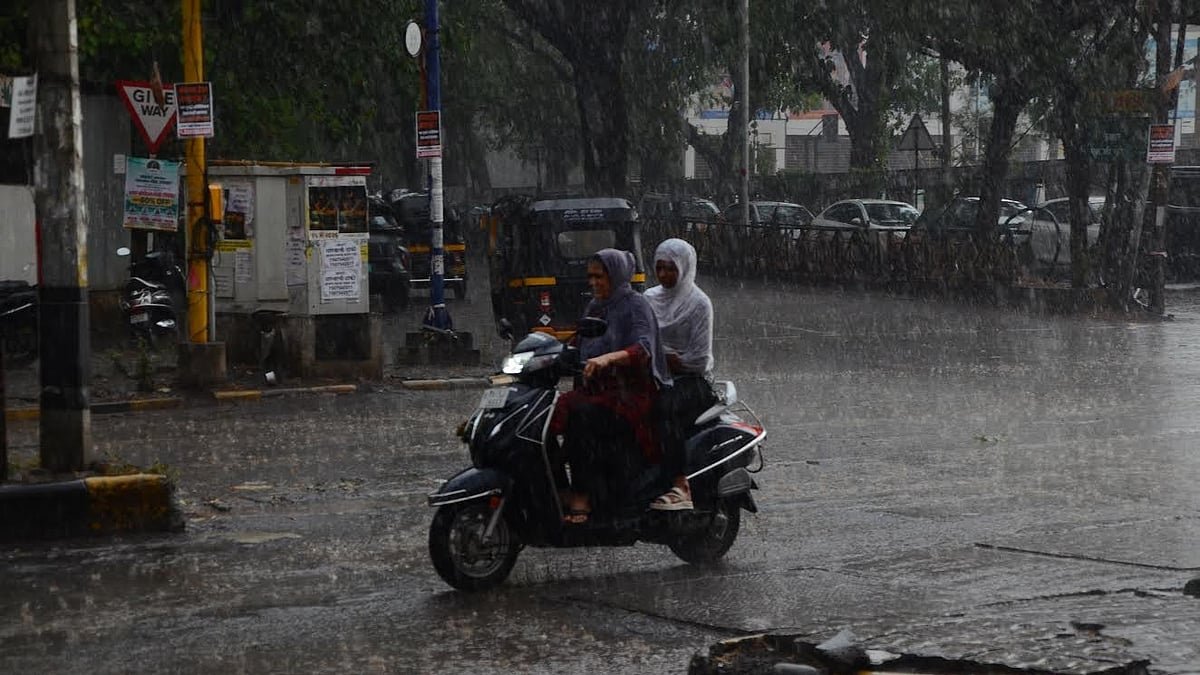
Farmers and residents across Pune and the wider Maharashtra region are witnessing a significant shift in weather patterns this week. After a period of intense, sustained rainfall that caused localized flooding and disrupted agricultural operations, the India Meteorological Department (IMD) has confirmed a notable reduction in precipitation. The heavy downpours that characterized the previous week—driven by a convergence of high-energy weather systems—have begun to dissipate, paving the way for a brief period of dry, humid conditions.
Meteorological data indicates that the primary drivers of the recent deluge, including a well-defined low-pressure system over the Bay of Bengal, an offshore trough extending along the Maharashtra coastline, and a prominent shear zone, have weakened considerably. These systems acted in tandem to funnel moisture-laden winds across the Western Ghats, resulting in widespread heavy rainfall. With these atmospheric drivers moving away or losing their intensity, the regional monsoon activity has entered a temporary lull.
Understanding the Monsoon Lull and Future Outlook
The current dry spell is a classic feature of the Indian Monsoon, which often experiences "break" periods even during the peak of the season. While the immediate threat of heavy, incessant rain has receded, atmospheric conditions remain fluid. The IMD’s long-range models suggest that this respite will be relatively short-lived, with current projections pointing toward a potential resurgence of monsoon activity around July 20.
This anticipated return of rainfall is expected to be driven by the re-emergence of favorable synoptic features. In meteorological terms, the re-establishment of a low-pressure area or the strengthening of the offshore trough can quickly revive the moisture supply. For agricultural zones, this interval provides a critical window for field management, allowing soil moisture levels to stabilize after the recent saturation. While the break offers relief from the hazards of extreme rain, meteorologists caution that the monsoon remains active, and farmers should remain vigilant for updated forecasts as the July 20 timeframe approaches.
Agricultural Implications: Balancing Soil Moisture and Crop Health
The transition from heavy rain to a drier period presents a complex set of challenges and opportunities for the agricultural sector. In many areas of Pune district, the recent heavy rains led to waterlogging in low-lying fields, which can severely impact root respiration and increase the risk of fungal pathogens. The current reduction in rain is a welcome development for farmers who were unable to access their fields for critical tasks such as weed management or the application of top-dress fertilizers.
However, the rapid shift in weather also necessitates careful monitoring. As temperatures potentially rise during this dry spell, the combination of high humidity and heat can create an environment conducive to certain crop diseases. Agronomists advise that the coming days should be utilized to ensure proper field drainage and to monitor crops for signs of nutrient leaching, which often occurs following intense rainfall events. By mitigating the effects of soil saturation now, farmers can better prepare their crops to withstand the next phase of the monsoon cycle.
What This Means for Farmers
The current weather window is a vital period for field operations and risk management. Farmers are advised to consider the following actionable steps:
- Prioritize Drainage: Ensure that irrigation channels and drainage outlets are clear to prevent standing water, which remains a risk should localized showers occur before the larger system returns.
- Nutrient Management: Heavy rain often leaches nitrogen and other essential nutrients from the topsoil. Consider assessing crop health and, where necessary, planning for split-application of fertilizers once the soil moisture levels are optimal.
- Pest and Disease Scouting: High humidity following a rainy spell is a trigger for fungal infections and pest outbreaks. Regular scouting of fields is essential to catch early signs of infestation and prevent widespread damage.
- Prepare for the Next Cycle: With the IMD forecasting a potential return of rain around July 20, use this time to finalize pending sowing operations or protective measures for sensitive crops. Ensure that farm infrastructure, such as storage for harvested produce or inputs, is secure against future rainfall.
- Stay Informed: Weather patterns during the monsoon can be volatile. Monitor official bulletins from the IMD or local agricultural extension offices daily to adjust your management plans based on real-time developments.