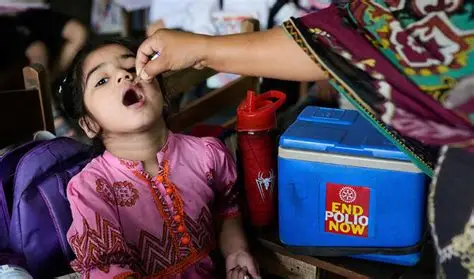
A Lifelong Mission: Two Decades of Grassroots Immunization Advocacy
In the rural outskirts of Raipur, Chhattisgarh, the success of India’s public health initiatives rests not just on government policy, but on the tireless efforts of individuals like Rupa Sahu. A dedicated Mitanin—a community health volunteer—Sahu has spent the last twenty years navigating the complex geography of her region to ensure that no child misses their polio vaccination. Her commitment is defined by a unique perspective: as a person living with the long-term physical effects of polio, her work is both a professional duty and a deeply personal crusade against a preventable disease.
For two decades, Sahu has acted as a bridge between the clinical healthcare system and the most remote households. Her routine involves rigorous door-to-door outreach, constant monitoring of birth registries, and the sustained education of parents who may be hesitant or unaware of the critical importance of immunization schedules. Her longevity in the role has earned her the trust of the community, a vital asset in public health campaigns where skepticism can often impede progress.
The Intersection of Personal Experience and Public Service
The motivation driving Sahu’s two-decade tenure is rooted in her own lived experience. Having navigated life with the physical limitations imposed by polio, she possesses an intimate understanding of the lifelong challenges—both medical and social—that the disease inflicts. Rather than allowing these challenges to define her limitations, Sahu has channeled her experience into a preventative mission, ensuring that the next generation remains free from the same constraints.
This personal connection provides her with an authoritative voice when speaking to families. In communities where health literacy varies, Sahu’s ability to articulate the reality of polio—not just as a clinical term, but as a life-altering condition—serves as a powerful incentive for parental cooperation. Her persistence has been instrumental in maintaining high vaccination coverage rates in her assigned areas, proving that grassroots advocacy remains the most effective tool in the global effort to keep the virus at bay.
Navigating the Challenges of Rural Health Logistics
The role of a Mitanin is fraught with logistical hurdles. From navigating unpredictable weather patterns to overcoming geographical barriers in rural Chhattisgarh, Sahu’s work requires significant physical and mental endurance. Over the past twenty years, the landscape of immunization has changed, requiring volunteers to constantly adapt to new protocols, vaccine storage requirements, and data reporting systems.
Despite these challenges, Sahu’s consistency has been a pillar of stability for local health infrastructure. Her work highlights the critical nature of the "last mile" in healthcare delivery. While national campaigns receive the headlines, it is the sustained, daily commitment of volunteers who know their community intimately that prevents localized outbreaks and ensures that immunity levels remain high enough to protect the broader population.
What This Means for Farmers
While the focus of this story is public health, the lessons regarding community infrastructure have direct relevance for the agricultural sector. For farmers and rural stakeholders, the story of Rupa Sahu underscores the vital importance of community-led networks in rural development.
- The Power of Local Knowledge: Just as Sahu’s success relies on her deep ties to her community, agricultural extension services and sustainable farming initiatives are most successful when led by trusted local voices. Farmers should look to build similar peer-to-peer networks to share knowledge on pest management, soil health, and market trends.
- Long-term Commitment to Resilience: The eradication of disease, like the establishment of sustainable farming practices, requires a long-term view. Short-term fixes often fail; lasting change is built through persistent, incremental effort over years, not weeks.
- Community Health as Economic Stability: A healthy workforce is the backbone of any agricultural economy. When community health volunteers succeed in eradicating debilitating diseases, they are effectively protecting the labor force and the long-term viability of rural families. Supporting local health initiatives is, therefore, a strategic investment in the stability of the entire rural ecosystem.
- Advocacy and Leadership: Sahu’s journey demonstrates that personal adversity can be transformed into professional leadership. In the agricultural sector, farmers who have overcome challenges—whether climate-related or economic—are often the most effective mentors for the wider farming community. Engaging with these local leaders can help accelerate the adoption of resilient farming techniques.