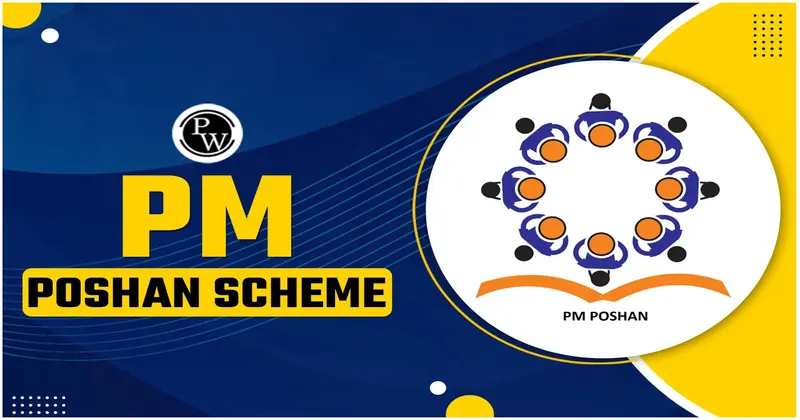
In a recent session of the Lok Sabha, Minister of State for Education Shri Jayant Chaudhary provided a comprehensive overview of the administrative and nutritional framework of the PM POSHAN scheme. This welfare initiative ensures that children in government and government-aided schools receive a hot, nutritious meal, reflecting a significant commitment to student well-being across India. By clarifying the roles of both the central and state governments, the update highlights how the scheme functions as a model of cooperative federalism tailored to India's unique regional diversity.
The Constitutional Design of PM POSHAN
The administrative structure of the PM POSHAN scheme is rooted in the Indian Constitution, specifically within the Concurrent List. This constitutional provision allows both the Parliament and State Legislatures to legislate on education, while the day-to-day administration of schools remains under the purview of State Governments and Union Territory (UT) Administrations.
According to the information presented to the Lok Sabha, this federal arrangement is intentional. It recognizes that a uniform, Delhi-centric template is inadequate for a country as vast and diverse as India. Instead, the scheme operates through a clear division of responsibilities:
- The Centre’s Role: The central government is responsible for establishing the nutritional floor and providing the necessary funding framework. These standards are grounded in the National Food Security Act, 2013.
- The States’ Role: State Governments and UT Administrations are tasked with the practical implementation of the program. They have the autonomy to build a model that suits their specific climate, local culture, and regional produce.
Nutritional Standards and Local Autonomy
A core feature of PM POSHAN is the balance between mandatory nutritional standards and local menu flexibility. The food norms prescribed by the central government are not mere suggestions; they are binding standards designed to meet the growth requirements of specific age groups, from Bal Vatika and pre-Class I stages through to Class VIII.
Within these binding standards, states are actively encouraged to localize the menu. This ensures that the food served reflects the soil, season, and traditions of each region. States are encouraged to procure locally grown items, including millets, seasonal vegetables, and regional condiments. This approach allows a child in Manipur to receive the same nutritional security as a child in Gujarat, while the actual ingredients on their plates remain culturally relevant.
Addressing India’s Unique Nutritional Challenges
The report underscores why adopting an imported, Western-centric nutrition model would be ineffective for India. Western nutritional science is largely developed for homogenous populations in temperate climates with standardized supply chains. In contrast, India’s agro-climatic zones range from the wheat-growing regions of Punjab to the millet-growing drylands of the Deccan plateau.
Data from the National Family Health Survey-5 (2019-21) highlights the complexity of the challenge, indicating the following national prevalence rates:
- Child Stunting: 35.5 per cent
- Underweight Prevalence: 32.1 per cent
- Wasting: 19.3 per cent
These figures reveal significant inter-state variations, with some regions facing more acute challenges than others. Additionally, anaemia caused by iron deficiency remains a persistent concern. The source notes that undernutrition in India is often driven by factors such as dietary quality, seasonal disease burdens, and specific micronutrient gaps, rather than absolute food scarcity alone. Consequently, the PM POSHAN design prioritizes a flexible approach to address these localized nutritional gaps.
Innovation and Self-Reliance: The Flexi Component
To foster innovation, the scheme provides states and UTs with a flexi component, allowing them to use 5 per cent of their total recurring budget for specific local needs. This funding is frequently deployed for:
- School Nutrition Gardens: These gardens serve as practical classrooms for agricultural learning while providing fresh vegetables directly to school kitchens.
- Supplementary Nutrition: States may introduce additional items based on local dietary habits, such as soybean-based supplements or groundnut chikki.
This localized strategy aligns with the national promotion of Shri Anna (millets), which helps integrate climate-resilient and locally sourced nutrition into the school ecosystem. This reduces dependence on long, complex supply chains and promotes a more self-reliant model of food distribution.
The Developmental Rationale
The investment in PM POSHAN is driven by clear developmental goals. Beyond providing immediate hunger relief, the scheme is intended to improve school attendance, boost student concentration, and enhance learning retention. By ensuring that no child sits through a school day on an empty stomach, the program functions as a foundational element of India’s welfare strategy, balancing centralized accountability with the necessary regional flexibility to support the nation’s future citizens.