India Enters the Hydrogen Era: Pioneering Sustainable Rail Transit
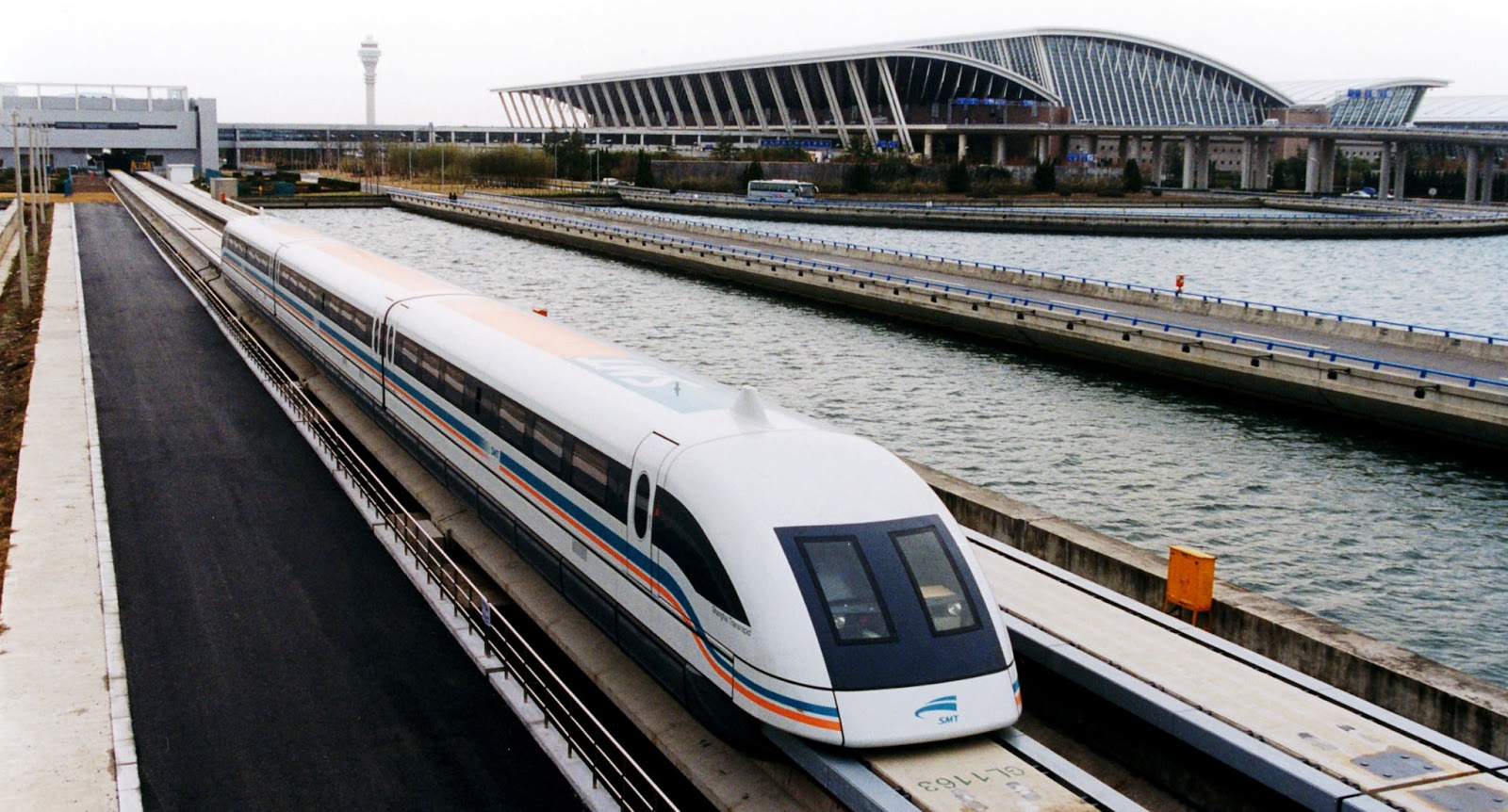
In a landmark development for India’s transportation infrastructure, Prime Minister Narendra Modi is set to officially flag off the nation’s first hydrogen-powered train. The inaugural run will take place at the Jind Railway Station in Haryana, marking the beginning of a transformative journey for the Jind-Sonipat section. This initiative represents a significant pivot in the government’s strategy to decarbonize the country’s vast railway network, aligning with broader national goals of achieving energy self-reliance and environmental sustainability.
The project is a cornerstone of the ambitious “Hydrogen for Heritage” initiative spearheaded by Indian Railways. By integrating cutting-edge hydrogen fuel cell technology into the rail sector, the government is not only looking to modernize aging rolling stock but is also positioning India as a global leader in green logistics. The transition from traditional diesel-powered locomotives to hydrogen-based propulsion systems is expected to drastically reduce the carbon footprint of regional passenger transit, setting a new benchmark for clean mobility in developing economies.
Engineering a Greener Future: The Technology Behind the Transition
At the heart of this innovation lies the hydrogen fuel cell—an electrochemical device that generates electricity by combining hydrogen and oxygen, with water vapor as its only byproduct. Unlike diesel engines, which rely on the combustion of fossil fuels and release significant amounts of greenhouse gases and particulate matter, hydrogen trains operate with near-zero emissions. This technology is particularly well-suited for non-electrified routes where the capital expenditure of installing overhead power lines would be prohibitively expensive or geographically impractical.
The “Hydrogen for Heritage” initiative is designed to be a multi-phase roll-out. The Jind-Sonipat route serves as the primary proving ground, allowing engineers to monitor real-world efficiency, fuel storage logistics, and the durability of fuel cell stacks under diverse climatic conditions. Beyond the immediate environmental benefits, the project focuses on repurposing existing railway infrastructure to accommodate hydrogen refueling stations. This systematic approach aims to create a sustainable ecosystem where green hydrogen can be produced locally using renewable energy sources, such as solar and wind power, effectively closing the loop on the carbon cycle.
Expanding the Infrastructure: Beyond the Pilot Project
The significance of this launch extends far beyond a single route in Haryana. Indian Railways has outlined a long-term vision to introduce hydrogen trains across several historical and heritage routes, where preserving the aesthetic and structural integrity of the landscape is paramount. By removing the need for high-voltage electrical infrastructure in these sensitive areas, hydrogen trains provide a viable solution that respects heritage while embracing modern energy efficiency.
Furthermore, the government’s commitment to this technology acts as a catalyst for the domestic manufacturing sector. By localizing the production of fuel cells and hydrogen storage tanks, India intends to foster a new industrial vertical, creating high-skilled jobs in engineering, hydrogen processing, and green energy management. As the technology matures and scales, the cost-effectiveness of hydrogen rail is projected to improve, potentially paving the way for its adoption in broader regional transit networks across the country.
What This Means for Farmers
While the introduction of hydrogen trains may appear to be a purely urban or industrial development, its implications for the agricultural sector are profound and multi-faceted. Farmers should consider the following economic and logistical impacts:
- Decentralized Energy Opportunities: The success of hydrogen rail relies on a robust hydrogen supply chain. In the future, rural areas may become hubs for green hydrogen production, utilizing biomass or renewable energy generated on farms. This creates potential new revenue streams for farmers who can supply feedstock or land for hydrogen production facilities.
- Reduced Logistical Costs: As the rail network becomes more efficient and less reliant on volatile global fossil fuel prices, the long-term impact on the cost of transporting agricultural inputs—such as fertilizers and machinery—and outputs could be stabilized. A greener rail network provides a more reliable and cost-stable backbone for the national supply chain.
- Environmental Stewardship and Carbon Credits: As India moves toward a low-carbon economy, the agricultural sector is increasingly being integrated into national sustainability targets. The push for hydrogen reflects a national shift toward green energy, which will eventually lead to more incentives for farmers to adopt sustainable practices, potentially opening doors for participation in carbon credit markets.
- Regional Connectivity: The improvement of rail infrastructure between hubs like Jind and Sonipat enhances the connectivity of agricultural markets to major urban centers. Faster and more reliable transport for perishables ensures that farmers can access wider markets with lower spoilage rates, ultimately improving profitability.