Prime Minister Modi Reviews Gujarat Flood Crisis as Emergency Relief Operations Intensify
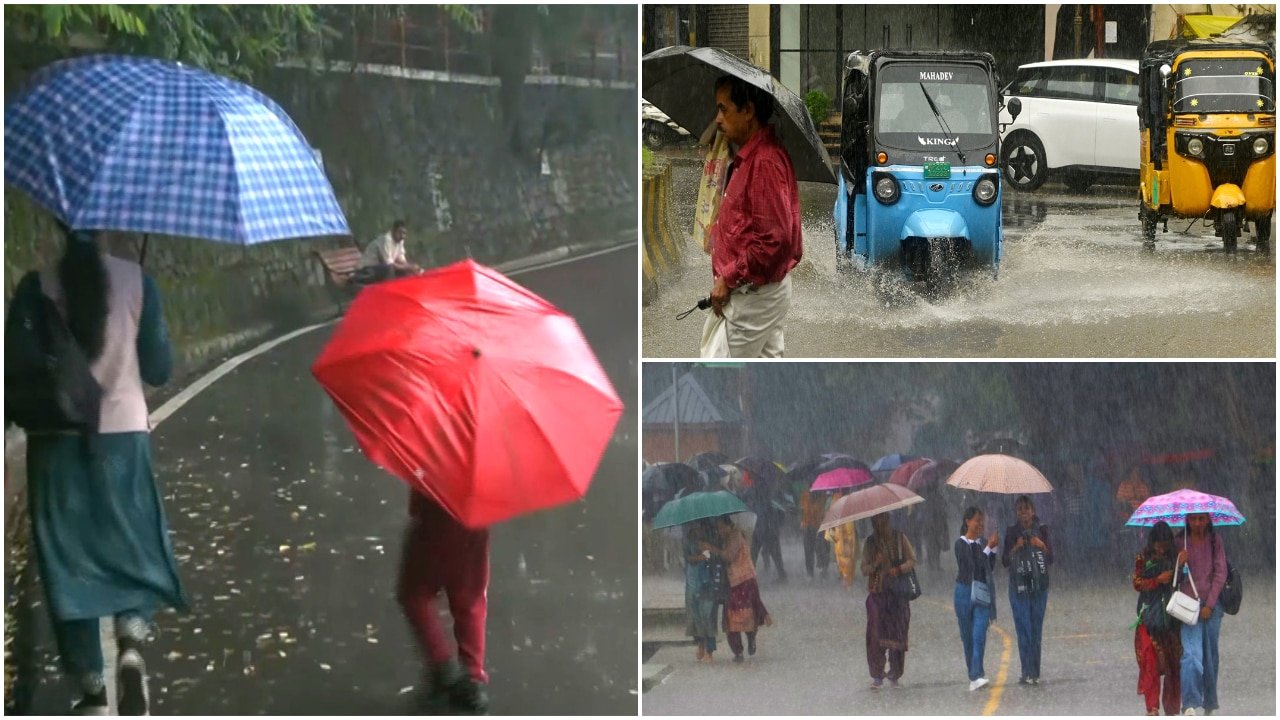
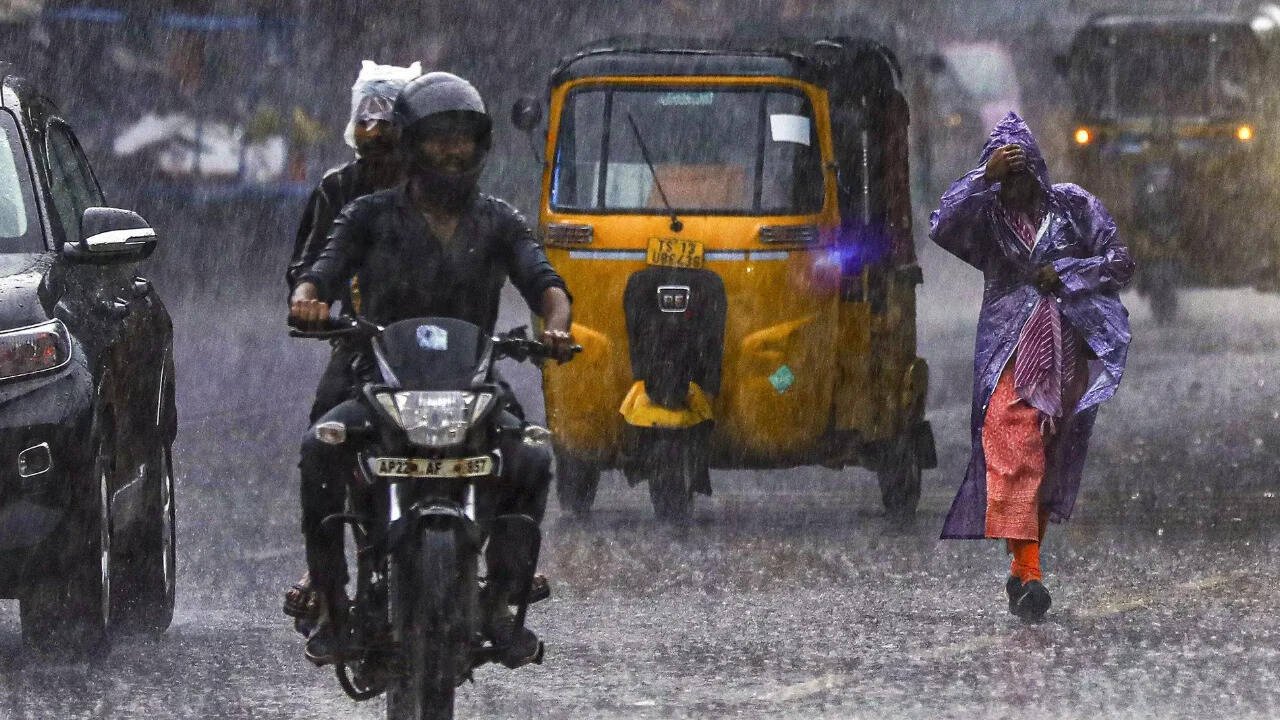
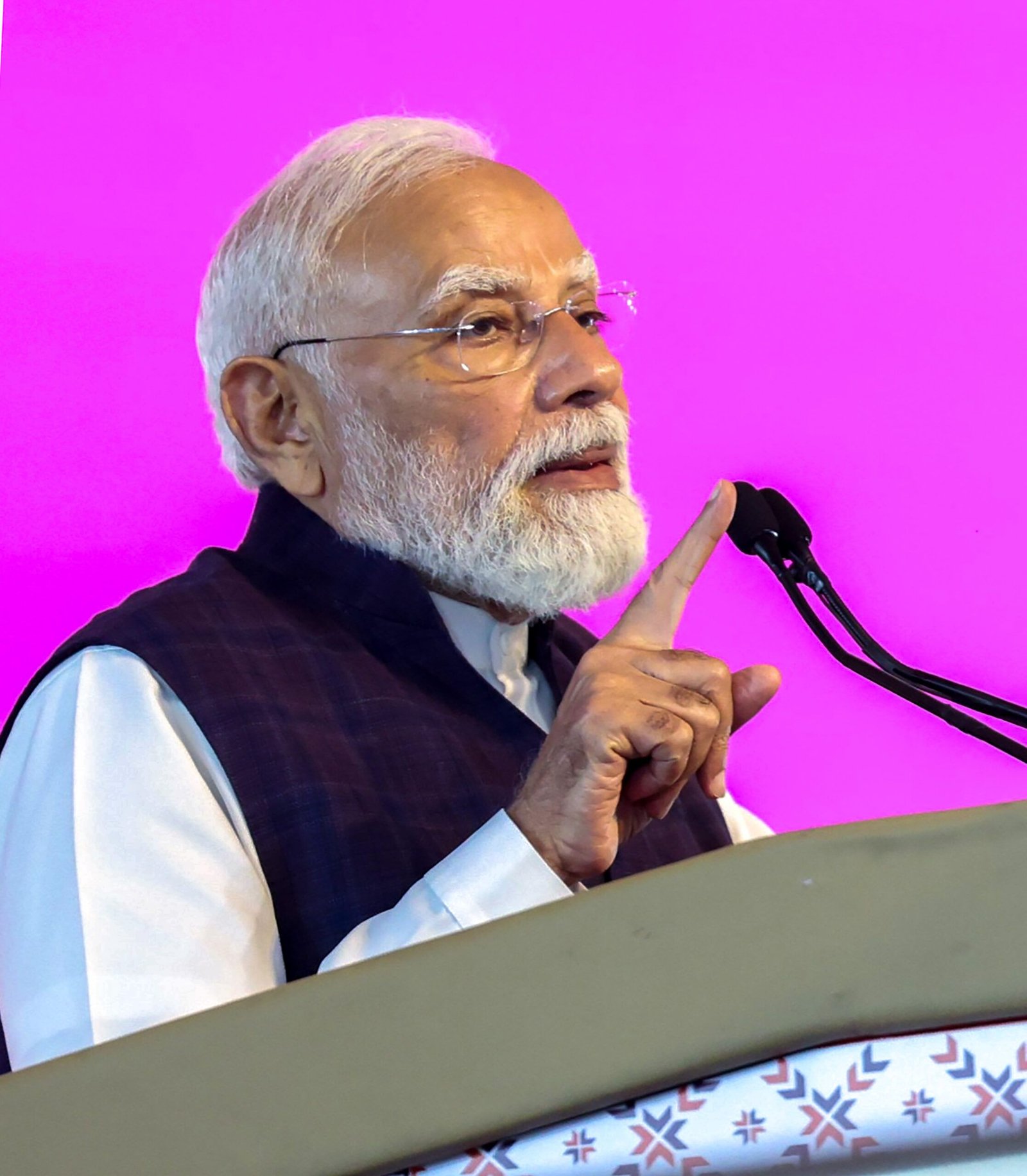
In a high-level review meeting held this week, Prime Minister Narendra Modi assessed the critical flood situation currently unfolding across Gujarat, as relentless monsoon rains continue to batter the state. Following extensive discussions with Chief Minister Bhupendra Patel, the Central Government has reaffirmed its commitment to providing comprehensive logistical and disaster management support to mitigate the impact of the deluge. As agricultural fields remain submerged and infrastructure faces mounting pressure, the deployment of additional National Disaster Response Force (NDRF) personnel underscores the urgency of the rescue and relief efforts now underway.
The situation in Gujarat has escalated rapidly, with heavy precipitation causing significant waterlogging in both urban centers and rural hinterlands. The Prime Minister took stock of the preparedness levels of state authorities and the coordination between local administration and central agencies. To bolster the ongoing rescue operations, the Centre has airlifted two additional NDRF teams from Delhi to the most severely affected regions. These specialized units, equipped with advanced flood rescue gear and medical supplies, are tasked with assisting in the evacuation of stranded populations and securing vulnerable low-lying areas.
Assessing the Impact on Agrarian Landscapes and Infrastructure
The current flood crisis poses a significant threat to the agrarian stability of the region, which is currently in the midst of the critical Kharif sowing season. Intense rainfall has resulted in the inundation of vast tracts of fertile farmland, raising concerns regarding crop damage, soil erosion, and the potential loss of livestock. For farmers, the timing of these floods is particularly challenging, as excessive water saturation can lead to root rot, nutrient leaching, and the destruction of newly sown seeds. Beyond the immediate fields, the heavy rainfall has also disrupted critical rural infrastructure, including secondary road networks and irrigation channels, which are vital for the movement of agricultural inputs and the transport of perishable produce to markets.
State authorities are currently working to map the extent of the damage, with field reports highlighting the strain on local drainage systems and the rising levels of major reservoirs. The coordination between the state government and the Union Ministry of Home Affairs is focused on ensuring that relief reaches the most remote areas. By prioritizing the restoration of connectivity and providing medical aid to flood-affected communities, the government aims to prevent a secondary crisis involving waterborne diseases and supply chain bottlenecks that could further exacerbate the economic burden on the rural population.
What This Means for Farmers
For the farming community, this period of extreme weather necessitates immediate vigilance and strategic planning to safeguard assets and plan for future recovery. The primary concern is the potential for significant yield loss; farmers are advised to coordinate with local agricultural extension offices to assess the extent of water stagnation in their fields. Where possible, clearing drainage channels and trenches is essential to allow excess water to recede, which is critical for preventing permanent crop failure.
Economically, the floods are likely to create short-term volatility in local commodity markets. Disruptions in transport and storage facilities may lead to localized price fluctuations for essential inputs like fertilizers and seeds. Farmers should closely monitor official advisories regarding crop insurance claims, as documenting the damage early—through photographs and communication with local revenue officials—is crucial for securing compensation under existing government schemes. Furthermore, the agricultural community must prioritize the safety of livestock by moving animals to higher, dry ground and ensuring they have access to uncontaminated fodder and clean water. As the monsoon season continues, maintaining close contact with district disaster management authorities will be the most effective way for farmers to receive timely alerts and access the support resources being mobilized by the Central and State governments.