Parliamentary Deadlock: Monsoon Session Disrupted Amidst Intense Opposition Protests
The ongoing Monsoon Session of the Indian Parliament has encountered significant operational hurdles as both the Lok Sabha and the Rajya Sabha faced repeated disruptions. Parliamentary proceedings were brought to a temporary halt, with both houses being adjourned until 12 PM following a surge of protests from opposition members. The atmosphere within the chambers reflected growing tensions over a range of national issues, including concerns surrounding educational integrity, student protests, and broader governance debates.
The suspension of business highlights the increasing friction between the treasury benches and the opposition, as legislative agendas remain stalled. While the government aims to utilize the session to pass critical bills, the opposition has leveraged the parliamentary floor to demand accountability on pressing matters, including the alleged irregularities in national competitive examinations and the handling of regional crises. As the session progresses, the ability of the legislature to function efficiently remains a point of contention, leaving several policy discussions in a state of uncertainty.
National Concerns Take Center Stage
The parliamentary uproar is not an isolated event but rather a reflection of the intense socio-political climate currently gripping the nation. Key issues driving the protests include the ongoing discourse surrounding the NEET paper leak case, which has sparked nationwide student demonstrations and prompted calls for systemic reform in higher education administration. These protests have spilled over from the streets to the floor of Parliament, with opposition leaders demanding a comprehensive investigation and greater transparency.
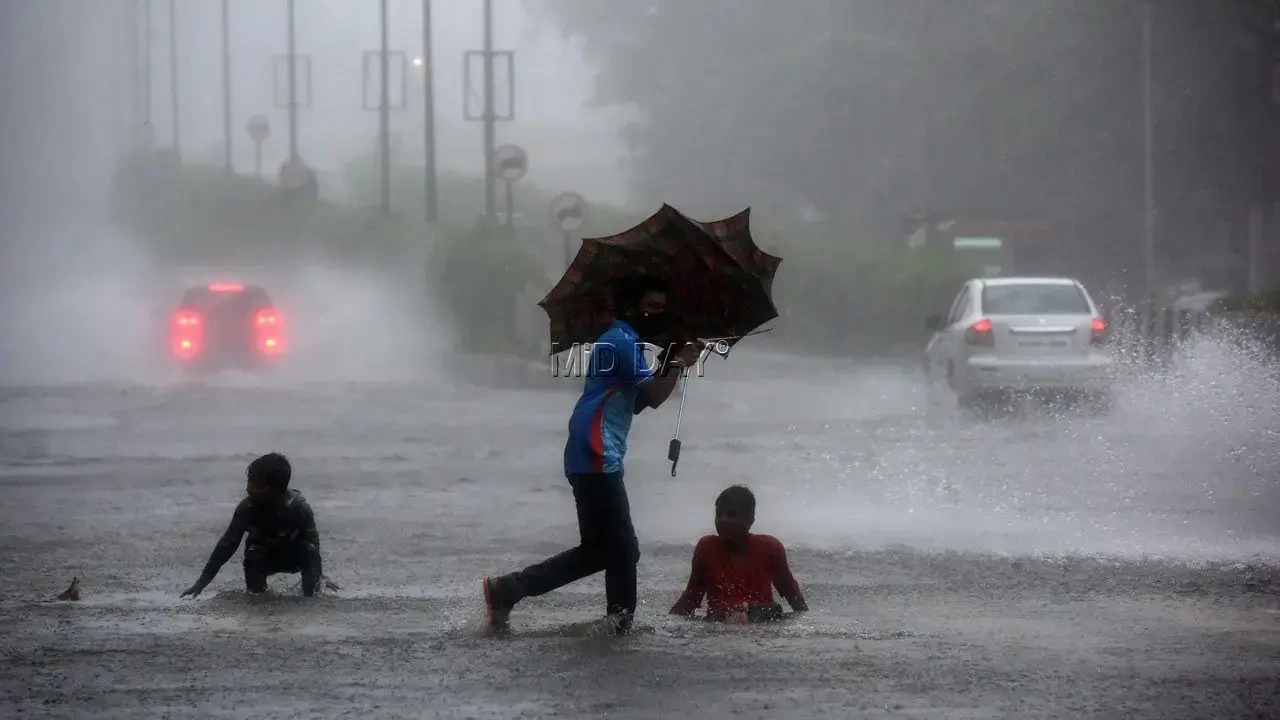
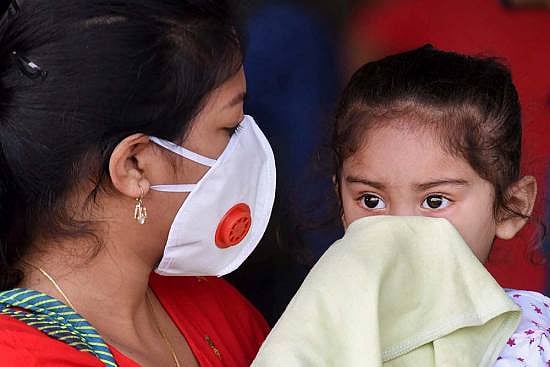
Simultaneously, the legislative environment is being influenced by regional developments that are commanding significant public attention. Reports of severe weather conditions, including flooding in various states, have necessitated urgent federal attention. Furthermore, ongoing debates regarding public health infrastructure, such as the efficacy and reach of community-level clinics and healthcare initiatives, continue to dominate the discourse. The intersection of these national crises with parliamentary business has created a complex environment where local grievances are increasingly becoming central to federal legislative debates.
What This Means for Farmers
For the agricultural community, the current legislative gridlock carries significant implications that extend beyond the halls of Parliament. When parliamentary sessions are disrupted, the processing of critical agricultural policies, budget allocations for rural development, and responses to climate-driven disasters are often delayed.
- Delayed Policy Implementation: Legislative paralysis can result in the postponement of crucial reforms regarding crop insurance schemes, minimum support price (MSP) frameworks, and agricultural subsidies. Farmers awaiting clarity on government initiatives may face uncertainty as legislative debates stall.
- Disaster Response and Relief: With several regions facing monsoon-related challenges, including excessive rainfall and flood-induced crop damage, a functioning Parliament is essential for the timely allocation of disaster relief funds. Prolonged disruptions in the house may hinder the speed at which state governments receive assistance from the center.
- Focus on Regional Stability: The focus on political protests often shifts the spotlight away from long-term agricultural planning. Farmers are encouraged to monitor state-level agricultural department updates closely, as national-level legislative discourse may remain volatile in the coming weeks.
- Actionable Advice: In times of political uncertainty, it is advisable for farming cooperatives and stakeholders to maintain strong communication with local district agricultural officers. Keeping abreast of regional weather advisories and localized government support programs can help mitigate the risks associated with federal policy delays.
Ultimately, while the parliamentary deadlock continues to dominate headlines, the agricultural sector remains vulnerable to the ripple effects of these disruptions. Stakeholders are urged to remain vigilant and prioritize localized risk management strategies until legislative normalcy is restored and national policy agendas regain momentum.