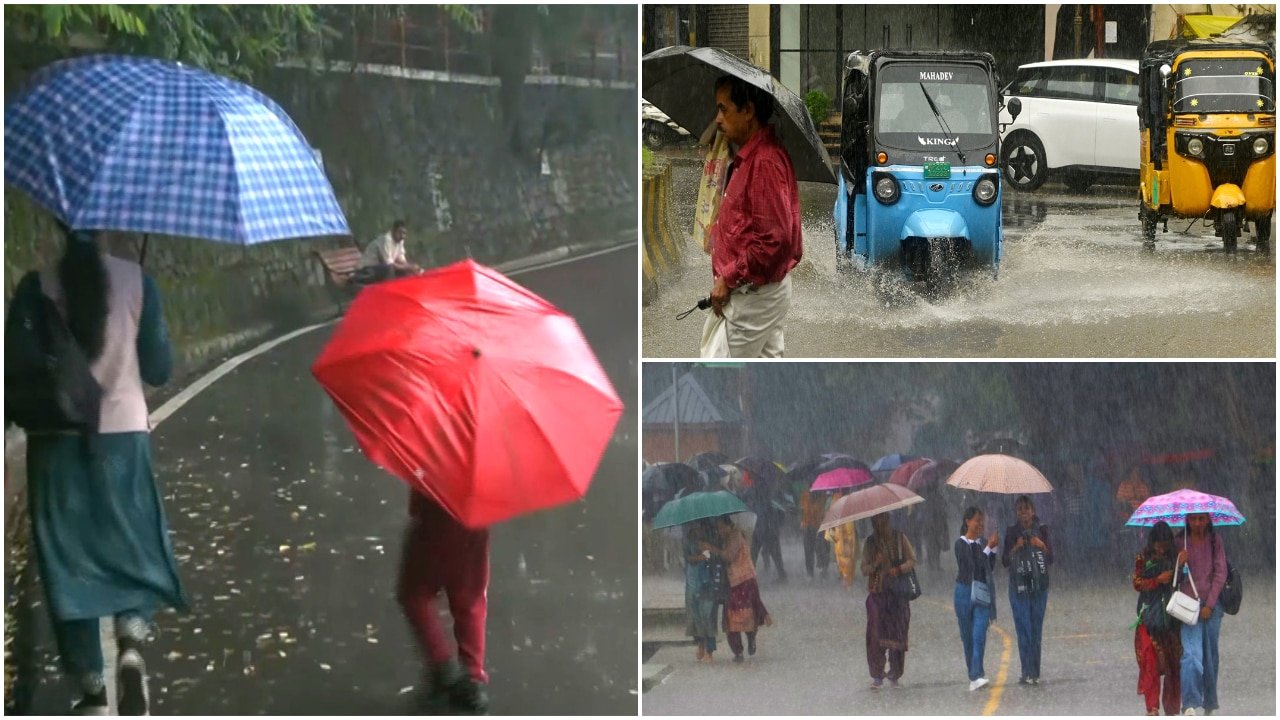
Massive Rescue Operations Underway as Torrential Rains Inundate Gujarat
Gujarat is currently grappling with a severe monsoon crisis as relentless heavy rainfall has triggered widespread flooding, prompting a massive, state-wide emergency response. According to the latest data from the State Emergency Operations Centre (SEOC) in Gandhinagar, the scale of the displacement is significant, with over 38,600 individuals evacuated to safer locations to escape the rising waters. Specialized rescue teams have successfully extracted more than 5,500 people who were left stranded in inundated regions, as administrative bodies work around the clock to mitigate the impact of the extreme weather event.
The intensity of the rainfall has affected both urban and rural landscapes, with north and central Gujarat emerging as the most critical zones. To combat the crisis, the state government has mobilized a multi-agency task force, including 49 teams from the National Disaster Response Force (NDRF) and State Disaster Response Force (SDRF). These units are being bolstered by the Indian Army, which has established strategic deployments in Ahmedabad, Navsari, and Valsad to ensure rapid response capabilities in hard-to-reach areas.
Coordinated Multi-Agency Response Across Affected Districts
The rescue operations are characterized by a high degree of inter-agency cooperation. While ground teams from the NDRF and SDRF navigate flooded villages, the Indian Air Force and the Indian Coast Guard have been deployed to provide aerial surveillance and facilitate high-risk extractions. Coast Guard assets are currently focused on the districts of Navsari, Valsad, and Tapi, where submerged terrain has necessitated the use of aerial support to locate stranded residents.
Specific incidents highlight the precarious nature of the current situation. In recent operations, rescue teams successfully evacuated passengers from a bus trapped between villages in Ahmedabad district using heavy-duty agricultural equipment, underscoring the vital role of local support in disaster management. Similar operations were reported in the talukas of Nanapondha and Vansda, where teams navigated difficult waterlogged conditions to reach isolated households. As the situation remains fluid, senior officials, including the Director General of Police, are maintaining a constant vigil at the SEOC to oversee the strategic deployment of resources and ensure that logistics for food, shelter, and medical aid remain uninterrupted.
Meteorological Trends and Regional Impact
The SEOC reports indicate that the precipitation has been both intense and widespread. Regions such as Banaskantha, Aravalli, Amreli, and Patan have recorded significant rainfall within short windows, leading to sudden surges in local water bodies. In Deodar taluka, for instance, over three inches of rain fell in a mere two-hour span, a volume that inevitably overwhelms local drainage systems and compromises rural infrastructure.
The persistence of these weather patterns suggests that the ground saturation levels are reaching a critical threshold. As the monsoon continues, the vulnerability of low-lying agricultural plains increases, creating a compounding effect on both infrastructure and livelihoods. Emergency agencies remain on high alert, monitoring the evolving weather data to anticipate potential flash floods in districts that have already seen heavy saturation over the previous 48 hours.
What This Means for Farmers
The current flooding presents a multi-faceted challenge for the agricultural sector in Gujarat, requiring immediate assessment and long-term planning:
- Crop Damage and Soil Health: Prolonged waterlogging can lead to root rot and nutrient leaching, particularly for standing kharif crops. Farmers are advised to prioritize drainage once the water levels recede to prevent permanent damage to crop viability.
- Livestock Safety: The primary concern during such events is the safety of livestock. Farmers should move animals to higher ground immediately and ensure that feed and water supplies are protected from contamination to prevent the spread of waterborne diseases.
- Infrastructure Assessment: Post-flood, there is a high risk of soil erosion and damage to irrigation systems. Farmers should inspect fields for silt deposition and check the structural integrity of farm equipment and storage facilities before attempting to resume normal operations.
- Economic Impact: With the loss of connectivity and potential damage to harvest yields, farmers should maintain detailed documentation—including photographs of damaged fields—to facilitate potential insurance claims or government compensation processes.
- Long-term Adaptation: These extreme weather events underscore the importance of climate-resilient farming practices, such as investing in better field-level drainage systems and exploring crop varieties that demonstrate higher tolerance to intermittent waterlogging.