Monsoon Deficit Strains India’s Water Security as Reservoir Levels Plummet
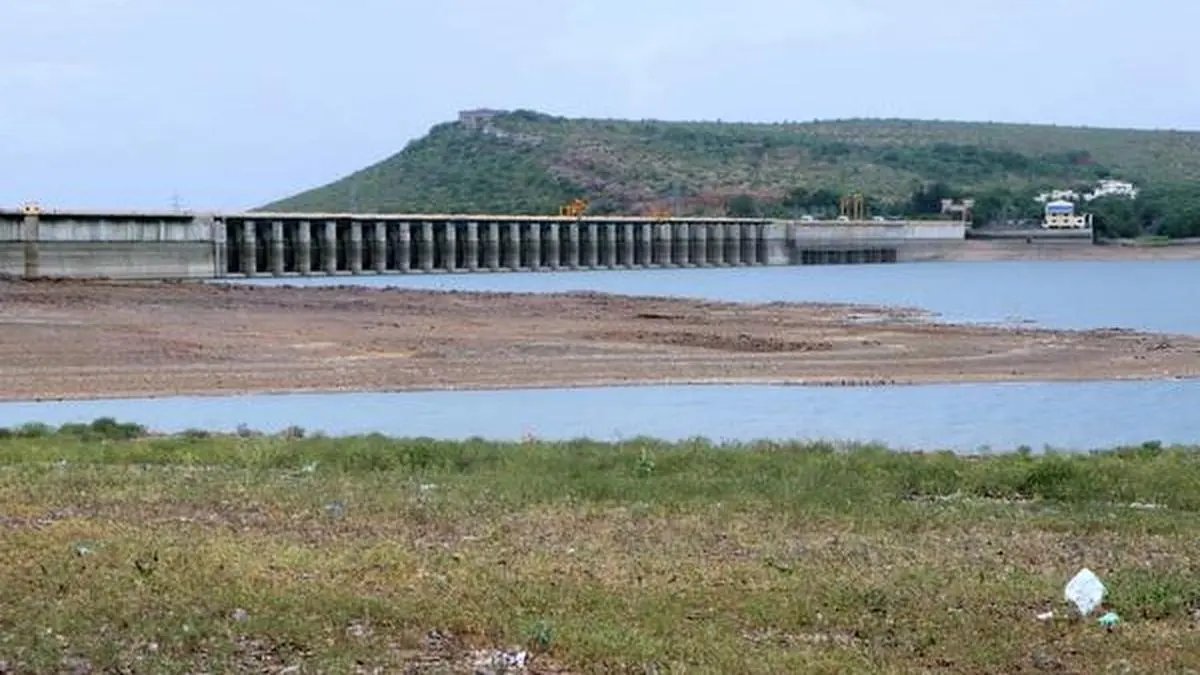
India’s agricultural heartland is facing a precarious mid-season outlook as the latest hydrological data reveals that more than half of the nation’s major reservoirs remain significantly under capacity. With the southwest monsoon—the lifeblood of Indian agriculture—currently tracking 24% below the long-period average, the disparity in water distribution has become a primary concern for policymakers and the farming community alike.
Recent satellite monitoring and water resource reports indicate that a staggering 59% of the country’s geographical regions have experienced either deficient rainfall or, in some cases, a near-total absence of precipitation during the critical sowing months. As the monsoon progresses, the cumulative deficit is beginning to manifest in the storage levels of vital reservoirs, which are essential for irrigation, hydroelectric power generation, and drinking water supply.
The Impact of Erratic Rainfall on Hydrological Reserves
The current moisture deficit is not merely a seasonal anomaly; it represents a compounding challenge for India’s water management infrastructure. Major reservoirs, which are engineered to buffer the agricultural sector against the inherent variability of the Indian monsoon, are failing to reach their optimal levels. When inflow remains restricted during the peak monsoon window, the ability of these reservoirs to provide a reliable supply for the upcoming rabi (winter) crop season is severely compromised.
The spatial distribution of this rainfall deficit is particularly concerning. While certain pockets of the country may have seen localized, high-intensity showers, the broader regional trend points toward a widespread moisture stress that spans multiple states. This lack of basin-wide recharge means that groundwater tables are unlikely to see significant improvement, forcing a heavier reliance on surface water storage that is already dwindling. Agronomists note that when reservoirs remain half-empty at this stage of the monsoon, the cascading effect on soil moisture levels and local micro-climates creates a challenging environment for crop development, increasing the risk of water stress during the critical vegetative growth stages.
Market and Agronomic Implications of Water Scarcity
The agricultural sector, which employs a significant portion of the workforce and contributes substantially to the national economy, is highly sensitive to these fluctuations. A sub-par monsoon typically leads to a contraction in the area sown for water-intensive crops, such as paddy, sugarcane, and certain varieties of pulses. When reservoir levels are low, irrigation authorities are often forced to prioritize drinking water over agricultural allocation, leading to a direct reduction in the acreage brought under cultivation.
Beyond the immediate yield concerns, the economic ripple effects are profound. Reduced production volumes can lead to inflationary pressures on food staples, affecting both domestic food security and the profitability of farming operations. Furthermore, the reliance on supplemental irrigation from depleting reservoirs increases the energy costs for farmers who must pump water from deeper levels, thereby raising the overall cost of production. As the season advances, the management of these limited water resources will determine the financial trajectory for millions of smallholder farmers who lack the capital to invest in high-cost water-saving technologies.
What This Means for Farmers
The current hydrological reality necessitates a shift toward adaptive management and cautious planning for the remainder of the agricultural cycle. Farmers are advised to consider the following strategies to mitigate the risks posed by the ongoing water deficit:
- Prioritize Water-Efficient Crops: Where irrigation water is restricted, farmers should pivot toward drought-tolerant varieties or shorter-duration crops that require fewer water cycles to reach maturity.
- Adopt Precision Irrigation Techniques: If available, transitioning to drip or sprinkler irrigation systems can significantly improve water-use efficiency compared to traditional flood irrigation, ensuring that every drop reaches the crop root zone.
- Implement Soil Moisture Conservation: Utilizing mulching techniques and deep tillage practices can help retain existing soil moisture, reducing the rate of evaporation and protecting the crop during dry spells.
- Monitor Local Advisory Services: Farmers should stay closely connected with local agricultural extension offices and weather forecasting services. These institutions provide critical, localized data on water release schedules from reservoirs and can offer tailored advice on optimal planting windows based on predicted rainfall patterns.
- Economic Contingency Planning: Given the potential for reduced yields, farmers should evaluate their input costs and focus on high-value, low-water-demand crops to safeguard their profit margins. Exploring crop insurance options and government-backed irrigation support schemes is also highly recommended during periods of climate-induced uncertainty.
As the monsoon season enters its latter phase, the focus must shift from standard agricultural practices to proactive water governance and resource management. While the current outlook is challenging, strategic planning and the adoption of resilient farming techniques remain the most effective tools for navigating this period of hydrological stress.