Widespread Flooding Triggers Large-Scale Rescue Operations Across Gujarat
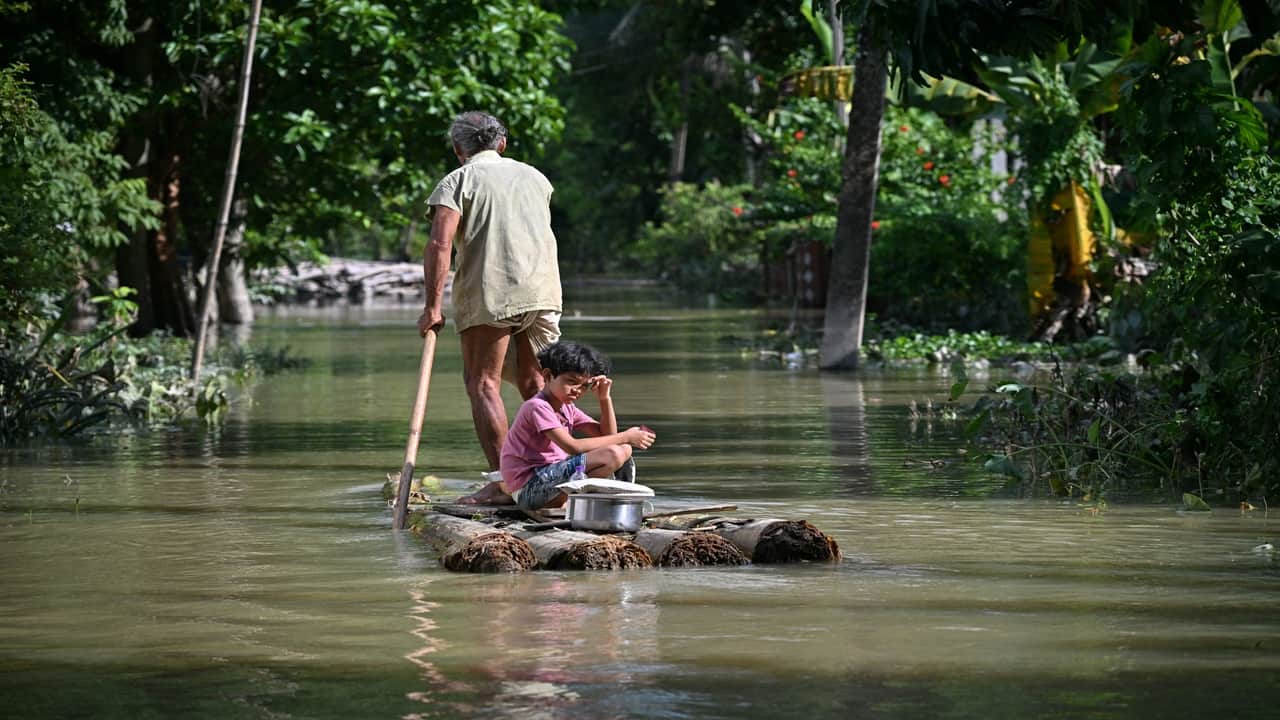
Gujarat is currently navigating a severe hydro-meteorological crisis as relentless, heavy rainfall batters the region, leading to widespread inundation and forcing authorities to initiate massive emergency response protocols. As of July 24, official reports indicate that more than 38,600 residents have been relocated from vulnerable low-lying areas to temporary relief shelters, while emergency response teams have successfully conducted over 5,500 individual rescues of citizens stranded by rising floodwaters.
The intensity of the monsoon surge has overwhelmed local drainage infrastructure and overwhelmed agricultural lowlands, transforming rural landscapes into vast catchment areas. State disaster management authorities, working in conjunction with national rescue agencies, have deployed specialized units to reach isolated communities. The primary focus remains on the preservation of human life, but as the waters recede, the scale of the damage to infrastructure and the primary sector is beginning to emerge as a critical concern for the state’s economy.
The Impact on Agricultural Infrastructure and Crop Stability
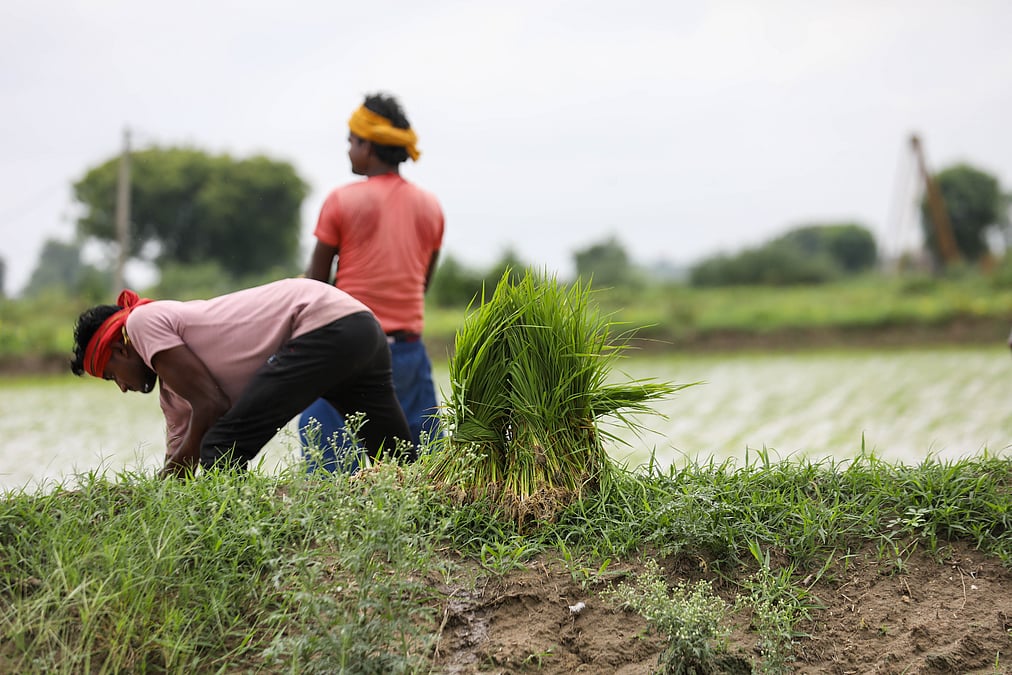
The prolonged deluge has caused significant disruption to Gujarat’s agricultural heartland. In many districts, the high volume of precipitation has led to waterlogging in fields that were recently prepared for the kharif season. When soil remains saturated for extended periods, the resulting anaerobic conditions can lead to root rot, nutrient leaching, and the stunting of early-stage crop growth. Furthermore, the physical force of the rainfall and subsequent runoff can result in severe soil erosion, particularly in sloped or unmanaged terrains.
Beyond the immediate threat to standing crops, the flooding presents long-term challenges for farm infrastructure. Irrigation systems, including drip lines and pump sets, are highly susceptible to siltation and mechanical failure during flood events. The destruction of rural access roads and bridges also complicates the logistical chain, preventing the timely delivery of fertilizers, pesticides, and technical support services to affected areas. As the ground remains saturated, the risk of localized pests and fungal outbreaks increases, requiring farmers to monitor their fields closely once the weather stabilizes.
Emergency Management and Long-term Resilience Strategies
The current rescue operations highlight the necessity of robust disaster preparedness in an era of increasingly erratic climate patterns. State-led initiatives have focused on rapid evacuation and the establishment of relief camps, ensuring that essential supplies—such as clean water, medicine, and food—are available to displaced families. However, the recurring nature of these flood events underscores the need for a shift toward more resilient agricultural practices and infrastructure design.
Climate scientists and agricultural extension experts suggest that improving field-level drainage, investing in flood-resistant crop varieties, and enhancing early-warning communication networks are essential steps for the future. By integrating meteorological data into farm-level decision-making, producers can better manage the risks associated with extreme weather events. The current crisis serves as a stark reminder that while immediate rescue is the priority, the path forward requires significant investment in building rural resilience to withstand the intensifying hydrological volatility of the monsoon season.
What This Means for Farmers
The impact of this severe weather event on Gujarat's farming community is multi-faceted, requiring both immediate attention and strategic planning for the coming weeks:
- Post-Flood Sanitation: Farmers should prioritize the removal of excess standing water as soon as possible to prevent long-term root damage. Once the fields are accessible, assessing the soil for nutrient loss is crucial, as significant rainfall can leach essential nitrogen and other minerals from the root zone.
- Disease Monitoring: The combination of high humidity and standing water creates an ideal environment for fungal pathogens and bacterial blights. Producers should prepare for increased surveillance of their crops and consult with local agricultural extension offices regarding appropriate, timely fungicide applications to mitigate secondary losses.
- Documentation for Assistance: It is imperative that farmers document all damage to their property, including equipment, stored inputs, and crop losses. This documentation is essential for navigating government insurance claims and accessing any disaster relief packages that may be announced in the wake of the crisis.
- Infrastructure Inspection: Before restarting irrigation systems, ensure that pumps, electrical connections, and filtration units are thoroughly inspected for debris and moisture-related damage. Operating compromised electrical equipment can pose a significant safety risk.
- Market Adjustments: Regional supply chains may experience temporary bottlenecks. Farmers should stay informed about local market conditions and consider storage solutions that protect remaining yields from moisture and spoilage.