Weather Alert: Heavy Rainfall Forecast Triggers Orange Warnings Across Kerala
The India Meteorological Department (IMD) has issued a high-level weather alert for Kerala, signaling a period of intense atmospheric instability across the state. As of August 1, nine districts have been placed under an 'Orange Alert,' indicating the potential for isolated heavy to very heavy rainfall. The meteorological forecast suggests that a significant surge in monsoon activity is expected to impact these regions, necessitating heightened vigilance from local authorities and the agricultural community alike.
In addition to the nine districts facing the orange designation, the remaining five districts in the state have been placed under a 'Yellow Alert.' While these areas are expected to experience less severe precipitation, the cumulative effect of ongoing monsoon rains across the state remains a concern. The shift in weather patterns is being driven by active cyclonic circulations and a strengthened offshore trough, which are funneling moisture-laden winds directly toward the coastal and high-range regions of the state.
Understanding the Meteorological Impact
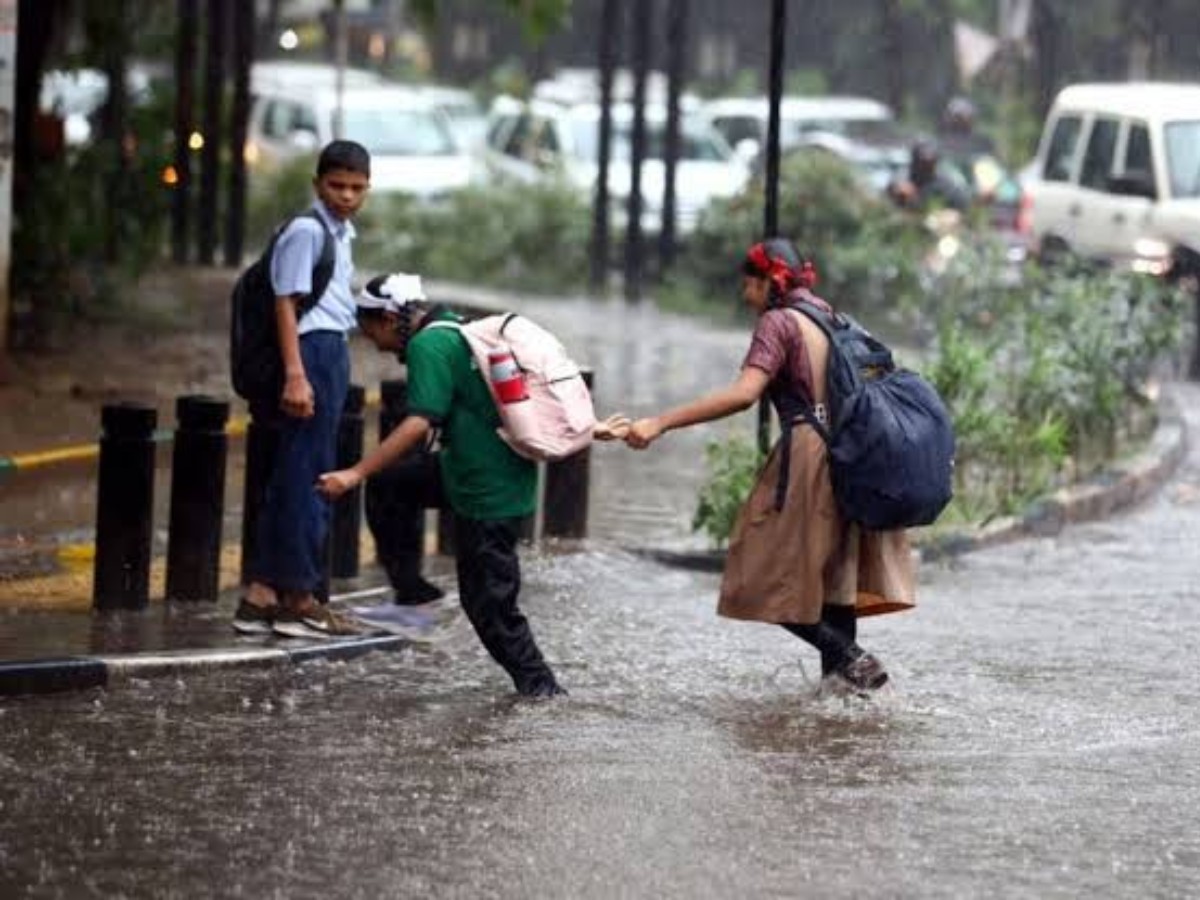
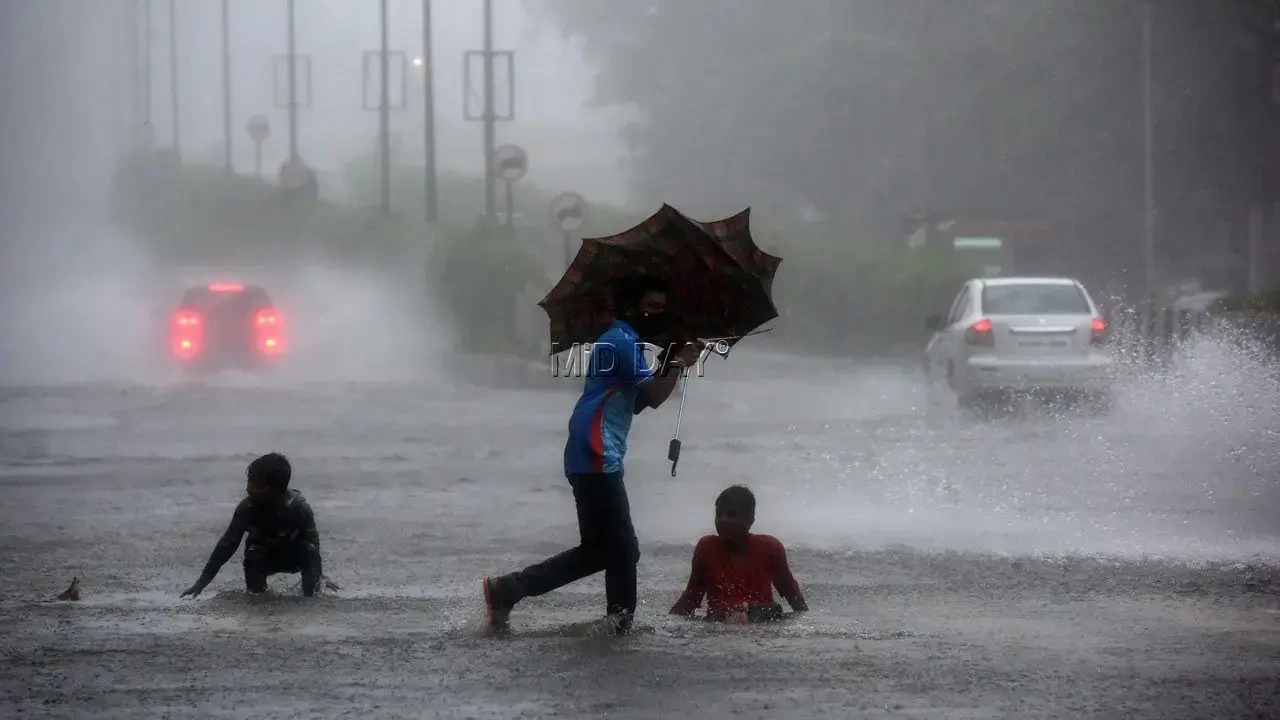
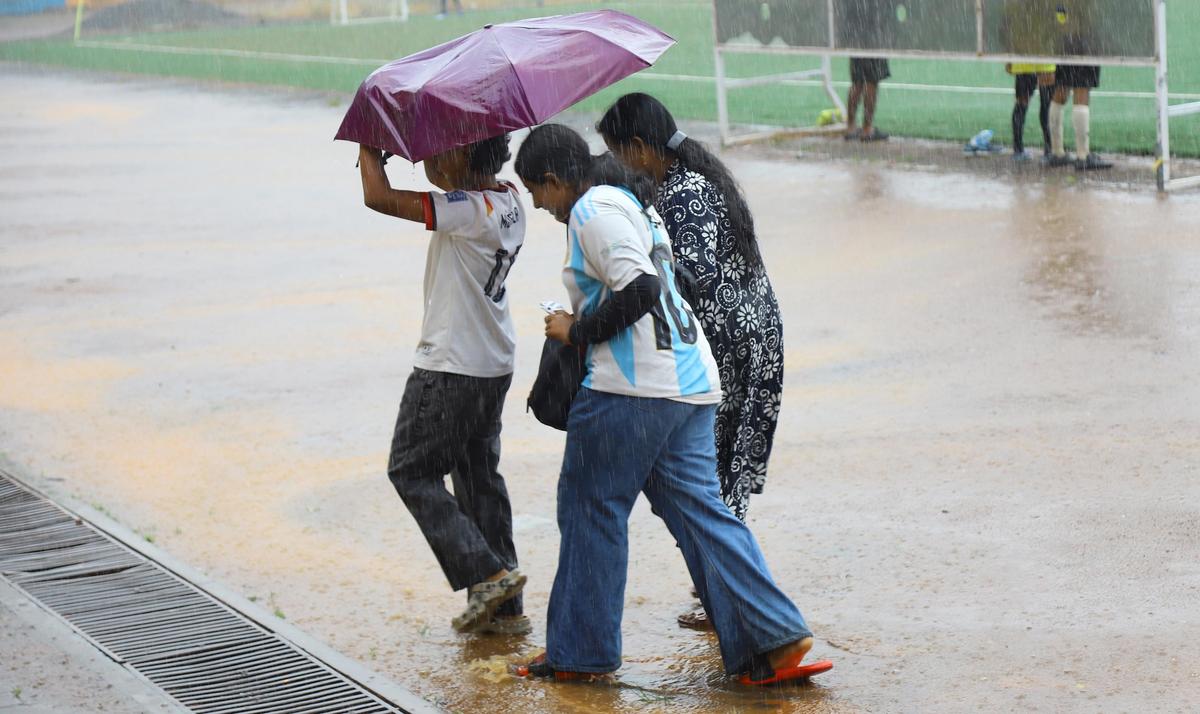
Meteorologists emphasize that an 'Orange Alert' is a precursor to potential disruption, signifying heavy rainfall in the range of 115.6 mm to 204.4 mm within a 24-hour period. This intensity of precipitation, particularly when falling on already saturated soil, poses a high risk of localized flooding, landslips, and waterlogging in low-lying areas.
The geography of Kerala, characterized by its rapid transition from the Western Ghats to the coastal plains, makes it particularly susceptible to rapid runoff. When extreme rainfall events occur, the velocity of water moving down the slopes can lead to soil erosion and the potential for slope instability in the hilly districts. Furthermore, the persistent cloud cover associated with these systems limits photosynthetic activity for standing crops, while the high humidity levels create a conducive environment for the rapid proliferation of fungal pathogens and bacterial blights.
Infrastructure and Public Safety Preparedness
State disaster management authorities have moved to a state of heightened readiness, coordinating with district-level emergency response teams to mitigate the impact of the predicted rainfall. Low-lying regions, which are prone to seasonal inundation, are being closely monitored, and residents in high-risk zones near riverbanks and landslide-prone areas have been advised to remain alert to official communications.
The transport sector, particularly in the high-range districts, is bracing for potential disruptions. Heavy rains are known to cause visibility issues and road surface degradation, which can complicate the logistics of moving agricultural produce to market hubs. Authorities have urged the public to exercise extreme caution when traveling through mountainous terrains, where the risk of falling debris or minor landslides increases significantly during sustained heavy precipitation events.
What This Means for Farmers
For the farming community, this weather alert serves as a critical window for proactive intervention and risk management. The primary concern during periods of heavy, sustained rain is the saturation of the root zone, which can lead to hypoxia in crops—a condition where roots are deprived of oxygen, leading to stunted growth or plant mortality.
Actionable Advice for Producers:
- Drainage Management: Ensure that all field drainage channels are clear of debris. Effective water removal is the most important step in preventing root rot and waterlogging in vegetable and spice crops.
- Crop Protection: Given the high humidity forecast, farmers should monitor for early signs of fungal diseases. Where possible, prophylactic measures or the application of appropriate fungicides may be necessary once the weather permits, provided that runoff into water bodies is minimized.
- Harvesting Logistics: If crops are currently at a stage ready for harvest, it is advisable to accelerate the process if weather windows allow. Storing harvested produce in well-ventilated, elevated areas is essential to prevent post-harvest spoilage due to mold growth.
- Livestock Safety: Ensure that livestock shelters are reinforced and that fodder stores are kept in dry, elevated conditions to prevent contamination and spoilage.
- Economic Vigilance: Anticipate potential supply chain delays. While the weather may hamper immediate transport, farmers should maintain contact with local cooperatives and market intermediaries to understand how these delays might influence short-term price volatility for perishable commodities.
Ultimately, while the monsoon is essential for the state’s agricultural cycle, extreme events require a pivot from routine operations to defensive management. By prioritizing field drainage and protecting existing assets, farmers can significantly reduce the impact of these severe weather events on their seasonal yields and overall economic stability.