Transforming Rural Mindsets: The Grassroots Movement Redefining the Birth of a Daughter
In many rural communities across India, the birth of a girl child has historically been met with a complex mixture of stoic resignation and profound anxiety. For generations, cultural expectations regarding dowry, marriage expenses, and limited economic roles meant that a daughter’s arrival was often viewed as a financial burden rather than a cause for celebration. However, a quiet, persistent revolution is currently reshaping these long-held social structures. Led by Dr. Ebha Patel, a computer science engineer and AI researcher, the initiative ‘Ghar Ayee Nanhi Pari’ has successfully bridged the gap between traditional rural values and modern empowerment, reaching 900 villages across Uttar Pradesh and Gujarat.
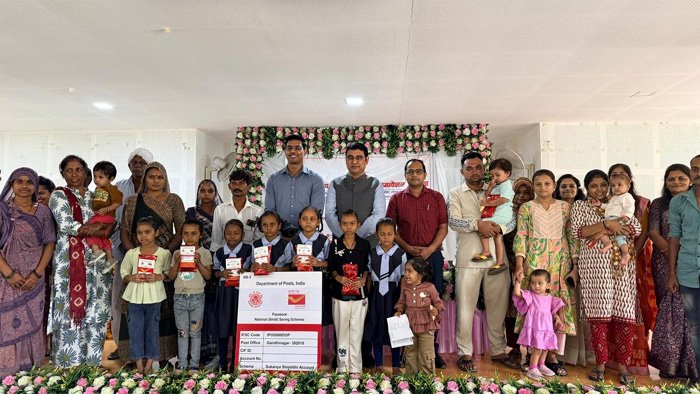
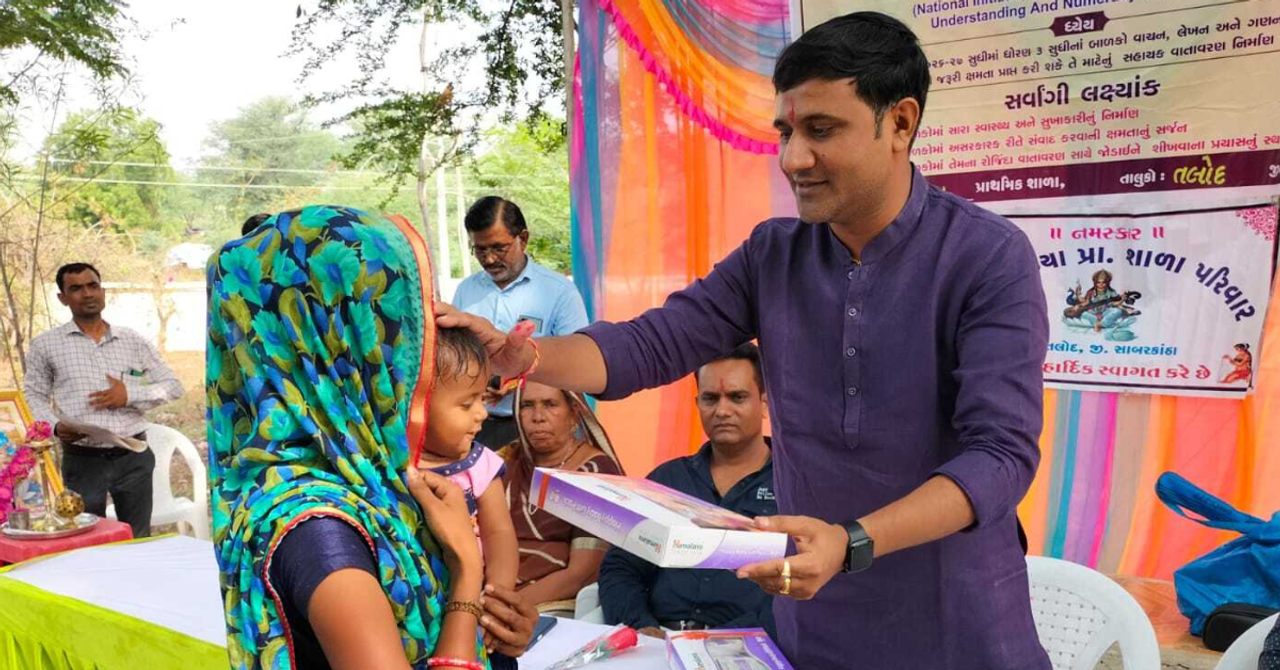
The initiative, which began in 2019, has evolved from a series of difficult, door-to-door conversations into a formalized movement that has now celebrated the births of over 9,000 girls. By bringing communities together at local panchayat halls to honor newborn girls and their mothers, the program is systematically dismantling the stigma that has long plagued rural families, replacing fear with pride and collective support.
From Engineering to Social Engineering: A Vision for Rural Change
Dr. Ebha Patel’s path to social activism was paved by her own experiences as a woman navigating a male-dominated field. As the first female engineer from her village of Khadepur, Dr. Patel witnessed firsthand the limitations placed on young women—limitations that often resulted in early marriages and truncated educational opportunities. Driven by a desire to leverage her technical background in health and agricultural data for the benefit of her community, she sought to address the systemic inequalities she observed during her childhood.
The early days of the initiative were fraught with rejection. Dr. Patel and her team often faced closed doors, as the very idea of celebrating a girl’s birth challenged deep-seated patriarchal norms. Yet, by maintaining a consistent presence and focusing on the tangible, long-term benefits of gender equality, the initiative slowly gained traction. Village heads, or sarpanches, began to notice the shift in atmosphere. What started as an uncomfortable suggestion transformed into a community-led celebration where families now proactively seek to honor their daughters, moving the conversation away from the "cost" of a girl child and toward her potential as a vital, contributing member of the household.
Bridging the Gap: Integrating Healthcare and Livelihood
The success of ‘Ghar Ayee Nanhi Pari’ extends far beyond the symbolic celebration of birth. Dr. Patel recognized early on that cultural shifts must be anchored in practical, structural support. The initiative works in tandem with existing government frameworks, including Anganwadi centers, ASHA workers, and various national health schemes such as the Pradhan Mantri Matru Vandana Yojana. By ensuring that families are aware of and have access to these services, the program guarantees that the celebration of a girl’s birth is followed by sustained support for her health, nutrition, and early development.
Furthermore, the initiative has made significant strides in improving the economic agency of women. In regions like Gujarat, the introduction of automated dairy machines and vocational training in sewing and embroidery has provided rural women with the means to generate independent income. This economic independence is crucial; as families see their daughters and mothers contributing to the household income, the perception of the girl child shifts from a "burden" to an "asset." This economic empowerment, coupled with the emotional validation provided by the panchayat-led celebrations, creates a robust foundation for long-term gender parity.
What This Means for Farmers
The ripple effects of this initiative are deeply relevant to the agricultural and rural economy. For farming households, the shift in mindset regarding the girl child has direct, actionable consequences:
- Human Capital Investment: When families view daughters as valued members of the household, they are more likely to invest in their education and health. A more educated and skilled rural workforce leads to better farm management, improved adoption of agricultural technologies, and higher household productivity.
- Access to Government Schemes: By facilitating better coordination with Anganwadis and health workers, the initiative ensures that farming families are not missing out on essential government support, which reduces the financial strain on the household budget.
- Economic Diversification: The promotion of vocational training and labor-saving machinery in dairy and other sectors helps farming families diversify their income streams. This resilience is essential for mitigating the risks associated with volatile crop markets and climate-related agricultural losses.
- Social Stability and Community Health: A community that values all its members equally tends to have better social cohesion. Improved nutrition and healthcare for girls contribute to a healthier next generation, which is the cornerstone of sustainable rural development and long-term agricultural prosperity.
Ultimately, the work of Dr. Patel demonstrates that agricultural and rural progress is inextricably linked to social progress. By fostering an environment where daughters are celebrated, rural communities are not just changing their culture—they are strengthening their future.