Tax Uncertainty Halts Isabgol Trade in Unjha
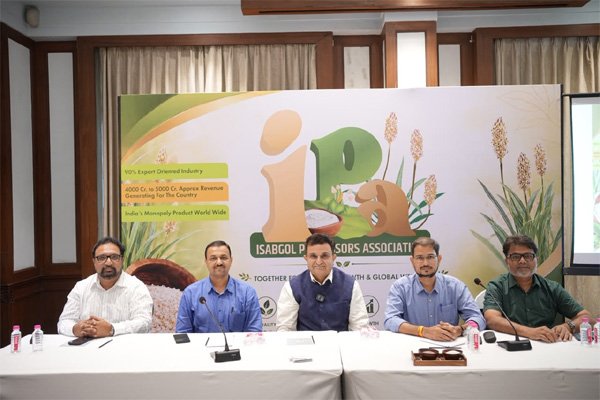
The Isabgol trade in Unjha has come to a standstill, triggered by conflicting interpretations of tax regulations between Gujarat and Rajasthan. This regulatory gridlock has prompted the IPA (Isabgol Processors Association) to issue an urgent appeal to the GST Council, the Finance Ministry, the CBIC (Central Board of Indirect Taxes and Customs), and the TRU (Tax Research Unit) for a definitive, pan-India clarification regarding the tax status of Isabgol seeds.
According to the report by Navjeevan Express, the ongoing uncertainty surrounding how these goods are classified under the Goods and Services Tax (GST) regime is creating significant obstacles for stakeholders across the entire supply chain, including farmers, traders, processors, and exporters. The situation is particularly critical given that 90% of the finished product is destined for export markets.
Conflicting GST Interpretations
The core of the dispute lies in the varying treatment of Isabgol seeds by tax authorities in different states. The CBIC has previously issued Frequently Asked Questions (FAQ) clarifying the tax positions for these items:
- Fresh Isabgol seeds: These are classified as Nil-rated, meaning they are exempt from GST.
- Dried Isabgol seeds: These are subject to a 5% GST levy.
Despite these existing guidelines, the divergent interpretations between Gujarat and Rajasthan have created a climate of confusion and instability. For those involved in the trade, this lack of uniformity makes it difficult to conduct business, as the tax liability appears to change depending on the regional application of the rules.
Impact on the Supply Chain
The Navjeevan Express report highlights that the current impasse is not merely a technical tax issue but a substantial threat to the industry's operations. The trade halt in Unjha has far-reaching consequences for thousands of jobs and the economic stability of the various groups involved:
- Farmers: The inability to move goods through the market chain impacts the primary producers of the crop.
- Traders and Processors: Business activities have ceased due to the inability to determine the correct tax burden.
- Exporters: With the vast majority of finished Isabgol being exported, international commitments are at risk of disruption.
Call for Urgent Resolution
The IPA has formally urged central authorities to intervene to restore stability to the market. The association’s request for a clear, nationwide directive is aimed at ensuring that there is a singular, consistent identity for Isabgol under the "One Nation, One Tax" framework of the GST system.
Without a unified clarification from the GST Council, Finance Ministry, CBIC, and TRU, stakeholders fear that the disruption to the supply chain will continue, further endangering the livelihoods of those dependent on the Isabgol industry in Unjha and beyond.