National Oil Palm Mission Reaches Midpoint Milestone Amidst Policy Stance on Subsidies
The national initiative to scale up domestic oil palm production has reached a critical juncture as the program approaches its mid-term evaluation. Recent data indicates that the mission has successfully brought 42% of its ambitious 650,000-hectare target under cultivation as of the 2025-26 fiscal assessment. While the progress reflects a concerted effort to reduce the nation’s heavy reliance on imported edible oils, the government has signaled a firm stance regarding the financial architecture of the scheme, confirming that no increases in direct aid or subsidy allocations are currently planned.
Evaluating Progress and Expansion Challenges
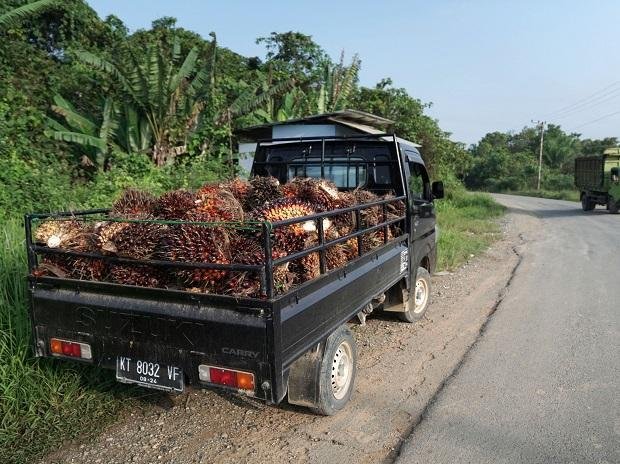
The core objective of the oil palm mission has been to incentivize farmers to shift toward high-yield oil palm cultivation, particularly in regions identified as agro-climatically suitable. Achieving 42% of the target represents a significant logistical and agronomic undertaking, requiring the coordination of nursery development, seedling distribution, and technical training for thousands of growers.
However, the expansion of oil palm is not without its complexities. Unlike seasonal row crops, oil palm is a long-gestation perennial crop that requires substantial upfront investment and a waiting period of several years before reaching peak commercial productivity. The pace of expansion is often dictated by the availability of quality planting material and the willingness of farmers to diversify away from traditional crops. As the mission moves toward its final targets, stakeholders are focusing on improving yield efficiencies on existing plantations rather than merely expanding the total land area, acknowledging that sustainable growth is as much about productivity per hectare as it is about total acreage.
The Fiscal Landscape and Policy Stability
A central development in the latest policy update is the government’s decision to maintain existing financial assistance levels. For many in the agricultural sector, this decision provides a clear, albeit challenging, framework for future planning. By ruling out higher financial support, the administration is emphasizing a shift toward market-driven sustainability and the operational efficiency of the existing value chain.
Economists suggest that this approach encourages the industry to rely on the "viability gap funding" and established price-support mechanisms rather than expecting perpetual increases in state-funded incentives. The move also signals an expectation that processing mills and private players—who occupy a vital role in the oil palm supply chain—must play a more active role in supporting farmers through contract farming arrangements and technical extension services. By stabilizing the subsidy environment, the government aims to prevent market distortions and ensure that the mission remains fiscally sustainable over the long term.
What This Means for Farmers
For growers currently involved in or considering the oil palm mission, the government's policy stance brings several practical implications:
- Focus on Productivity: With no additional financial support on the horizon, farmers should prioritize agronomic best practices. Optimizing fertilizer application, implementing precise irrigation schedules, and choosing high-germination-rate seeds are essential to maximizing returns on the existing investment.
- Long-term Financial Planning: Farmers must account for the full gestation period of the crop. Since subsidy structures are fixed, financial projections should be based on conservative yield estimates and current market price trends rather than anticipated increases in government aid.
- Strengthening Value Chain Integration: Farmers are encouraged to solidify relationships with local processing units. As the government pivots away from direct financial intervention, the stability of the farmer-processor link—guaranteed by transparent pricing and reliable collection logistics—becomes the most important factor in sustaining profitability.
- Risk Management: Given the fixed nature of aid, growers should look toward crop insurance schemes and intercropping strategies during the initial growth years. Planting compatible short-term cash crops between young oil palms can help manage cash flow until the primary crop reaches maturity.
Ultimately, the oil palm mission is transitioning from a phase of rapid expansion to one of consolidation. For the farming community, success in the coming years will depend on leveraging the existing support infrastructure while focusing on professional farm management to ensure that oil palm remains a profitable and sustainable component of their agricultural portfolio.