Historic Kalka-Shimla Railway Suspended Following Monsoon Disruptions
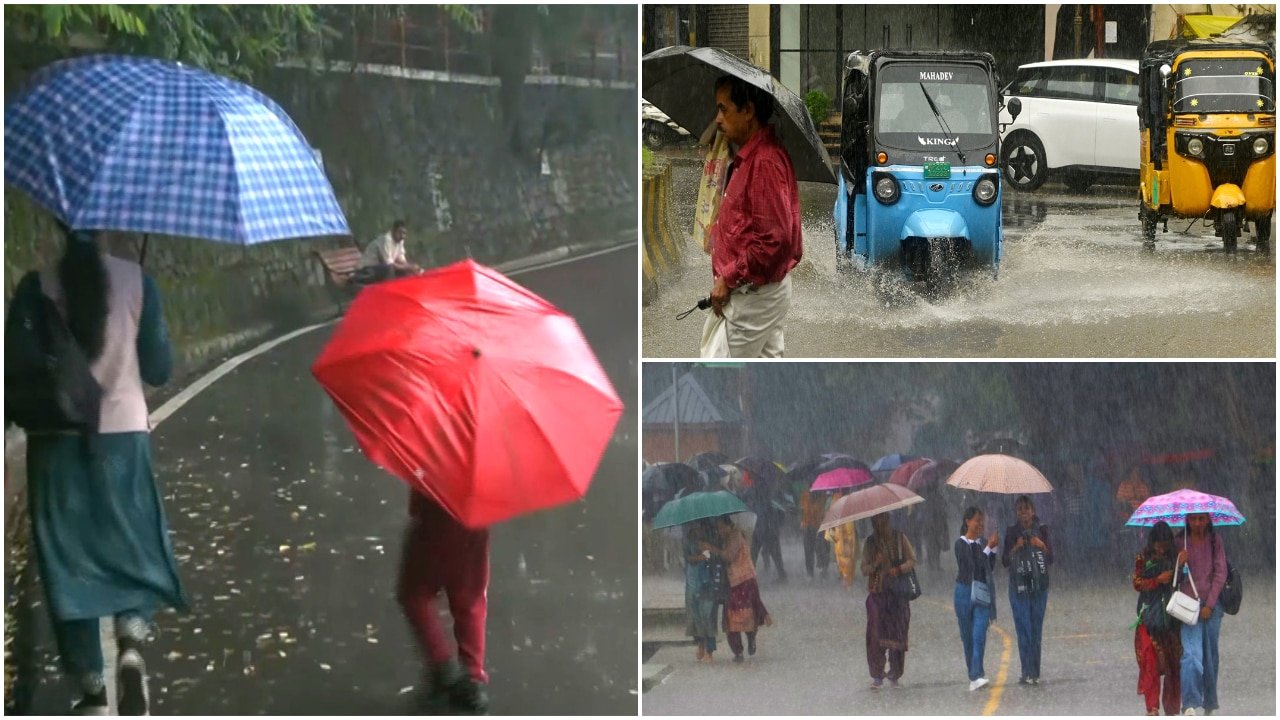
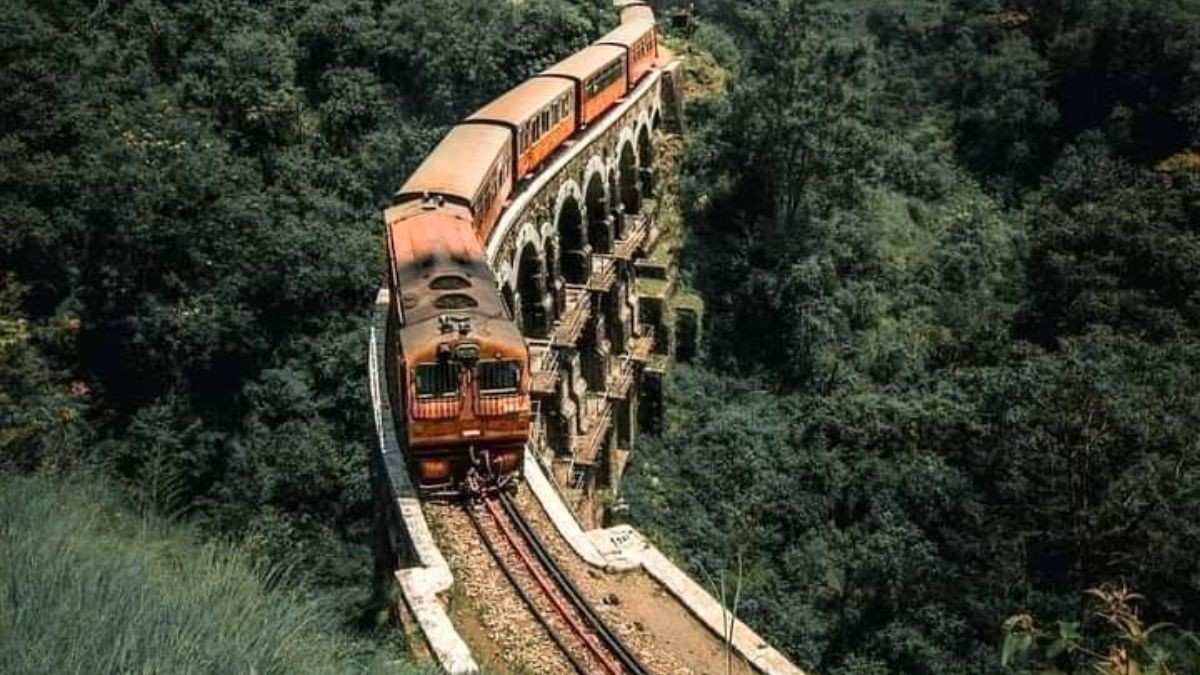
The iconic Kalka-Shimla railway, a UNESCO World Heritage site renowned for its engineering marvels and breathtaking passage through the Himalayan foothills, has officially suspended operations. Indian Railways confirmed that four primary services along the 96-kilometre narrow-gauge track will remain halted until August 5. The decision comes as a direct response to persistent, heavy monsoon rainfall that has compromised the structural integrity of the mountainous terrain surrounding the rail corridor.
For decades, this historic line has served as both a vital lifeline for local communities and a centerpiece of regional tourism. However, the delicate nature of the track—which winds through steep gradients, numerous tunnels, and high-altitude bridges—makes it exceptionally vulnerable to the geological instabilities triggered by torrential downpours. Railway officials have prioritized passenger safety, citing the immediate risks of landslides, debris accumulation on the tracks, and soil erosion that could undermine the stability of the rail bed.
Geological Challenges and Infrastructure Vulnerability
The Kalka-Shimla route is a masterpiece of Victorian-era civil engineering, but its geography presents a constant battle against the elements. During the monsoon season, the region experiences high precipitation levels that saturate the hillside soil, leading to frequent slope failures. Because the track is carved directly into the shifting mountainside, any significant movement of earth can obstruct the path or, in extreme cases, displace sections of the infrastructure.
Engineering teams are currently tasked with the arduous process of inspecting the entire 96-kilometre stretch. This involves clearing debris, reinforcing retaining walls, and assessing the integrity of the various bridges that span the deep ravines of the Shivalik range. Until these assessments are completed and the tracks are certified safe for transit, the suspension remains a necessary precaution to prevent potential derailments or catastrophic infrastructure failure. The suspension of these four trains significantly disrupts the transit schedule, affecting not only the flow of tourists but also the logistical movement of goods and essential services that depend on this rail link.
Operational Protocols During Extreme Weather Events
Indian Railways employs a strict safety protocol during the monsoon period, involving real-time monitoring of weather patterns and ground conditions. When rainfall exceeds specific safety thresholds, the railway administration proactively halts services to allow for thorough safety audits. The current suspension until August 5 serves as a buffer period, providing crews the necessary time to address areas identified as high-risk.
While the suspension is a standard emergency measure, it highlights the ongoing challenges of maintaining colonial-era infrastructure in an era of increasingly unpredictable weather patterns. The railway administration is working closely with local geological survey teams to identify long-term mitigation strategies, such as improved drainage systems and bio-engineering techniques, to stabilize the slopes surrounding the tracks. Despite these efforts, the unpredictability of Himalayan weather remains a formidable adversary for the historic line.
What This Means for Farmers
While the Kalka-Shimla railway is primarily viewed through the lens of tourism and passenger transit, the suspension carries notable implications for the local agricultural economy. The rail line serves as an auxiliary transit route for the movement of perishable goods, including high-value seasonal produce from the mountain orchards.
- Supply Chain Disruptions: Farmers and local distributors who rely on the rail network to transport produce from remote highland areas to larger distribution hubs will need to pivot to road transport. This shift often entails higher logistical costs and the risk of delays due to road blockages caused by the same monsoon conditions affecting the tracks.
- Market Access and Logistics: With the railway out of commission, the increased burden on mountain road networks may lead to congestion. Producers are advised to secure alternative transport contracts early and, where possible, utilize cold-storage facilities to manage potential delays in getting perishables to market.
- Infrastructure Awareness: The current situation serves as a timely reminder for rural stakeholders to monitor local infrastructure alerts. Landslides and waterlogging are not limited to rail tracks; they frequently compromise local feeder roads. Farmers should maintain close communication with local cooperatives and transport providers to ensure that alternative logistics plans are in place before a transit bottleneck occurs.
- Risk Management: For those in the agricultural sector, the susceptibility of this rail corridor highlights the importance of diversifying transit routes. Relying on a single mode of transport in high-altitude regions during the monsoon is inherently risky; proactive planning and investment in decentralized storage can help mitigate the economic impact of sudden infrastructure closures.