Tensions Flare at Jantar Mantar as Protests Converge in the Capital
The national capital witnessed a volatile scene this week as activists and Nihang groups converged at Jantar Mantar, leading to a tense standoff that necessitated immediate intervention by Delhi Police. The escalation, which saw heated verbal exchanges between the two groups, underscored the increasingly complex landscape of public demonstrations currently playing out in the heart of Delhi. While the specific grievances of the protesters remain varied—ranging from academic integrity concerns in the NEET paper leak case to broader socio-political demands—the presence of diverse groups in a concentrated space has heightened the security environment significantly.
Law enforcement officials were forced to establish a perimeter between the factions to prevent the situation from spiraling into physical confrontation. As police worked to de-escalate the rhetoric, the incident highlighted the challenges of managing multiple, simultaneous protest movements within the limited confines of Jantar Mantar. For observers of the current political climate, the clash serves as a reminder of the fragility of protest dynamics when ideologies and organizational strategies collide in high-stakes public forums.
Regional Climate Volatility and Agricultural Concerns
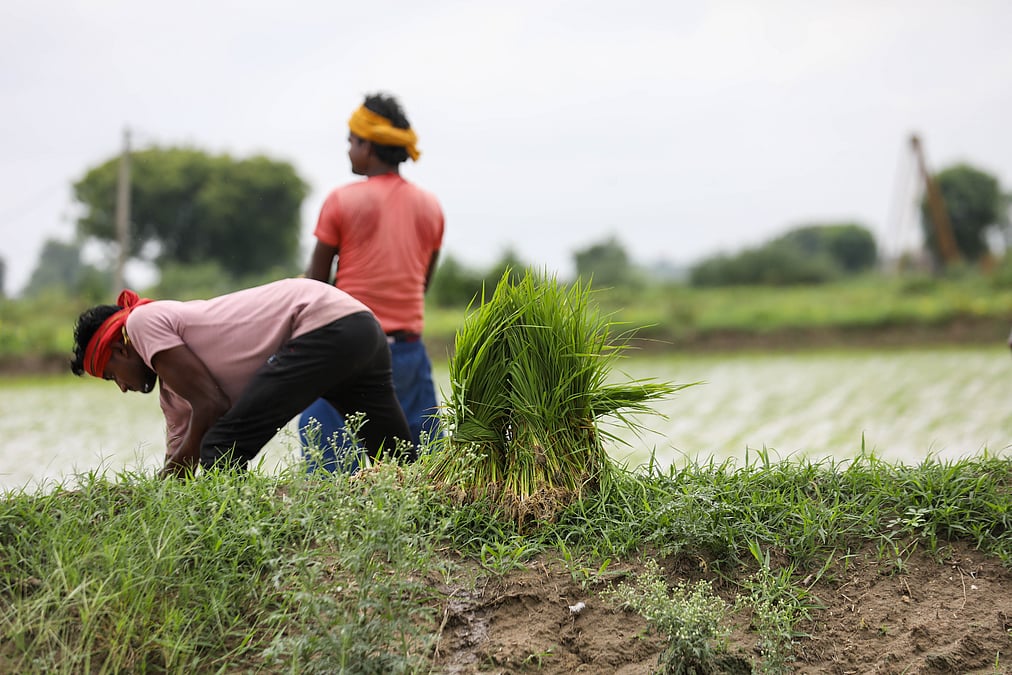
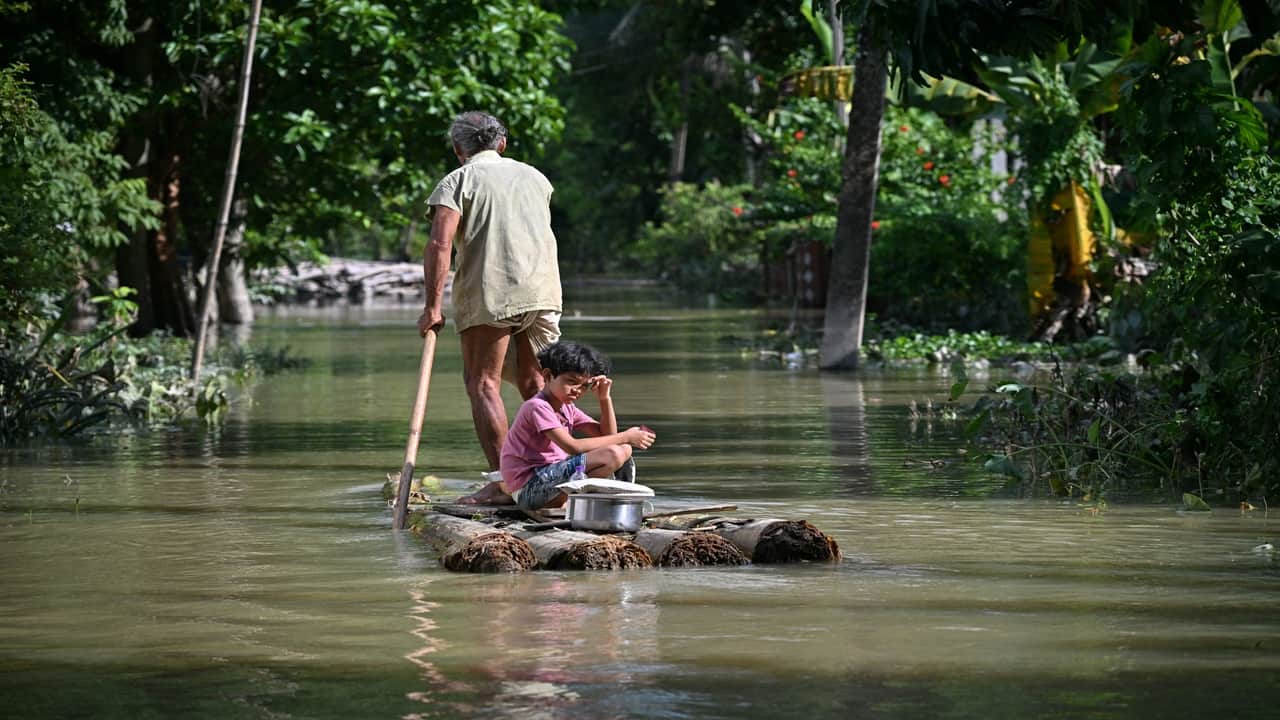
Beyond the immediate political unrest in Delhi, the northern states of Punjab, Haryana, and Himachal Pradesh are grappling with a precarious monsoon season that has dominated the regional news cycle. Meteorological departments have issued ongoing alerts as heavy rainfall continues to impact these agrarian heartlands. The monsoon, while essential for the Kharif crop cycle, has brought with it the dual threats of flash flooding and soil erosion, particularly in the hilly terrains of Himachal Pradesh and the low-lying agricultural plains of Punjab.
Political figures, including leaders from the opposition and regional government representatives, have begun touring flood-affected areas to assess the damage to standing crops. The intersection of extreme weather events and political visibility has placed additional pressure on administrative machinery. Farmers are currently caught between the uncertainty of the weather forecast and the political discourse surrounding relief measures, as the agricultural community remains the most vulnerable stakeholder during these periods of environmental instability.
Governance and Policy Debates Amidst Political Transition
While the monsoon session of Parliament enters its fourth day, the legislative agenda is being heavily influenced by a mixture of national crises and regional priorities. Debates are intensifying over critical issues such as education reforms, specifically regarding school fee regulations in Punjab, and the ongoing fallout from examination integrity cases like the NEET paper leak. These issues are increasingly becoming the focal point of the rivalry between the Aam Aadmi Party (AAP) and the Congress, as both parties look toward the horizon of the 2027 Punjab Assembly elections.
The political maneuvering is not limited to domestic policy; the regional narrative is also being shaped by broader global concerns, including international geopolitical tensions and their potential impact on domestic stability. As Chief Minister Bhagwant Mann and other political stalwarts navigate these turbulent waters, the focus remains on addressing the immediate needs of the populace while attempting to secure political capital for the long-term electoral cycle.
What This Means for Farmers
For the agricultural community in Northern India, the current climate of unrest and environmental volatility presents a three-fold challenge:
- Mitigating Crop Loss: With IMD alerts remaining active, farmers are advised to prioritize drainage management in their fields to prevent waterlogging. Ensuring that irrigation channels are clear of debris can help mitigate the impact of sudden, heavy rainfall common during this phase of the monsoon.
- Economic Vigilance: As political parties engage in competitive rhetoric regarding flood relief and agricultural policy, farmers should remain cautious of promises that may not translate into direct support. It is advisable to document any crop damage rigorously, utilizing government-mandated portals or local revenue offices to ensure that claims for compensation are backed by verified evidence.
- Staying Informed: The convergence of protests at the national level often leads to disruptions in transportation and supply chains. Farmers planning to transport goods to mandis should monitor news updates closely to avoid being caught in transit delays caused by demonstrations or road blockages in urban centers.
- Policy Engagement: With the 2027 assembly elections beginning to influence the legislative agenda, this is a critical time for farmer unions and cooperatives to organize and clearly articulate their requirements for irrigation infrastructure, fair pricing, and school fee regulation to their respective representatives.