National Weather Alert: Heavy Rainfall Forecast Across 15 States Amidst Persistent Humid Heat
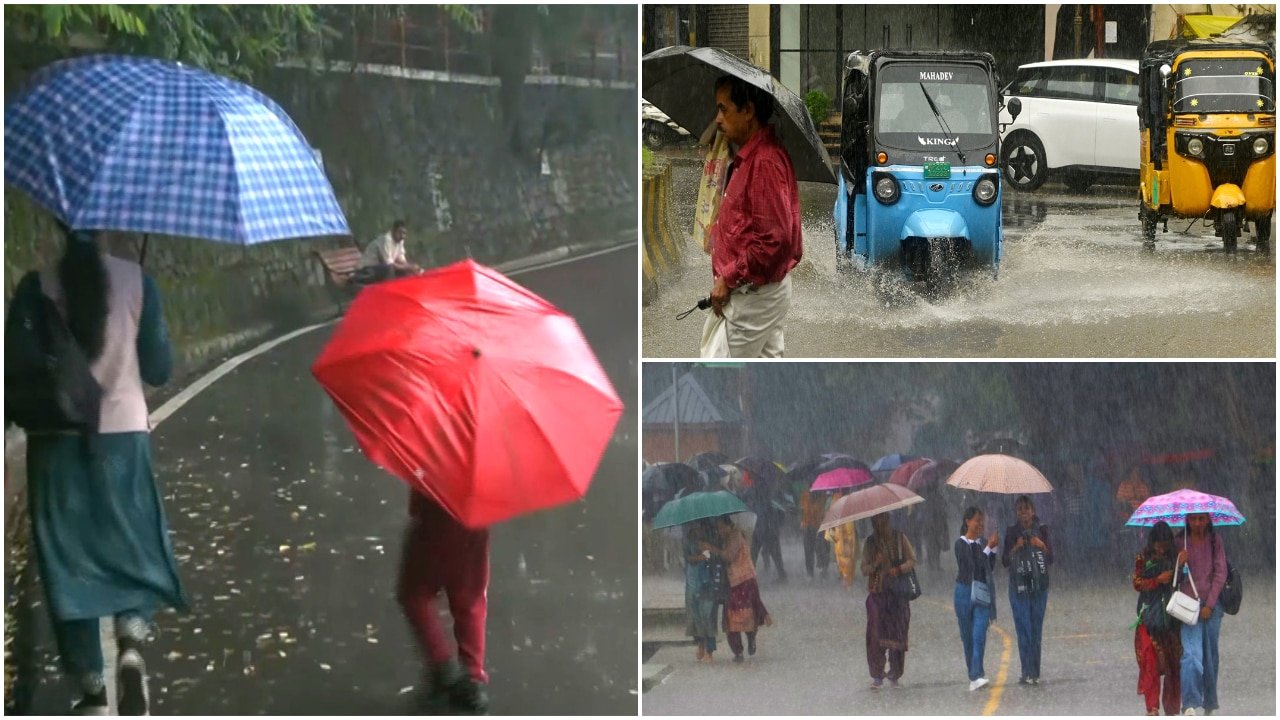
A significant shift in the national weather pattern is underway as meteorological authorities have issued high-alert warnings for heavy rainfall across 15 states. This transition arrives at a critical juncture, providing a potential reprieve for regions currently experiencing a suffocating spell of high humidity and heat, particularly in the National Capital Region of Delhi. The interplay between intense atmospheric moisture and shifting wind currents has created an unstable weather environment, prompting disaster management agencies to prepare for the dual challenges of localized flooding and the immediate impact on agricultural productivity.
The Climatological Mechanics Behind the Current Weather Surge
The current weather phenomenon is driven by a complex interaction between moisture-laden winds from the surrounding seas and a low-pressure trough moving across the northern and central plains. In Delhi and its neighboring areas, the combination of extreme humidity—often referred to as the "heat index" effect—has made temperatures feel significantly higher than the recorded mercury levels. This thermal discomfort is a direct result of stagnant air masses that have trapped moisture, preventing the natural cooling processes that usually follow evening hours.
As this moisture-rich air encounters cooler, high-altitude currents, it is triggering intense convective activity. For the 15 states currently under the heavy rain alert, this means the risk of sudden, high-intensity downpours. Unlike steady monsoon rain, these localized deluges can lead to rapid runoff, overwhelming drainage systems and posing risks to infrastructure. Meteorological experts are closely monitoring the progression of these systems, noting that the erratic nature of these storms is becoming increasingly common, complicating long-term weather modeling and regional planning.
Infrastructure and Environmental Challenges
The immediate consequence of such drastic weather shifts is the strain placed on urban and rural infrastructure alike. In densely populated centers like Delhi, the primary concern remains waterlogging and the potential for public health crises associated with stagnant water. However, the impact extends far beyond urban borders. In the affected states, agricultural land is particularly vulnerable to these sudden bursts of precipitation, which can lead to soil erosion, nutrient leaching, and the physical lodging of standing crops.
Furthermore, the high humidity preceding these rain events acts as a catalyst for various plant pathogens and fungal diseases. When prolonged heat is followed by sudden, heavy rainfall, the micro-climate within crop canopies becomes a breeding ground for pests and blight. Farmers are currently navigating a precarious situation where the immediate relief of rain must be balanced against the increased pressure of managing crop health in a highly volatile environment.
What This Means for Farmers
For the agricultural community, the current meteorological advisory is a call for heightened vigilance and proactive management. The following considerations are paramount for those operating in the regions under the heavy rain alert:
- Field Drainage Management: Priority must be placed on ensuring that drainage channels are clear. Rapid water evacuation is essential to prevent waterlogging, which can cause root rot in sensitive crops and lead to significant yield losses within hours.
- Disease and Pest Monitoring: The transition from high humidity to heavy rainfall creates the perfect conditions for fungal outbreaks. Farmers should conduct frequent scouting of fields to detect early signs of leaf spot, rust, or mildew, and be prepared to apply appropriate prophylactic treatments if the weather window permits.
- Harvest and Storage Logistics: For those in the middle of harvest, or those with produce ready for transport, the risk of moisture-related spoilage is high. It is advisable to expedite harvesting operations where possible and ensure that stored produce is kept in well-ventilated, moisture-controlled environments to prevent post-harvest degradation.
- Livestock Protection: High humidity and extreme heat are stressful for livestock, often leading to reduced feed intake and decreased milk production. Ensure that animals have access to constant, clean water and adequate shade or ventilation to mitigate the effects of the current heat stress before the rain arrives.
- Economic Preparedness: Given the potential for localized crop damage, farmers should review their insurance coverage and maintain detailed records of their farm’s condition. Engaging with local agricultural extension offices for real-time guidance can provide localized strategies tailored to specific soil types and crop varieties.
Ultimately, while the incoming rainfall is essential for replenishing groundwater levels and supporting the broader agricultural cycle, the intensity of the event requires a cautious approach. By prioritizing field drainage and monitoring crop health closely, farmers can better insulate their operations against the volatility of this shifting weather pattern.