Geological Curiosity in Gujarat: Unexplained Water Activity at Morbi Agricultural Well
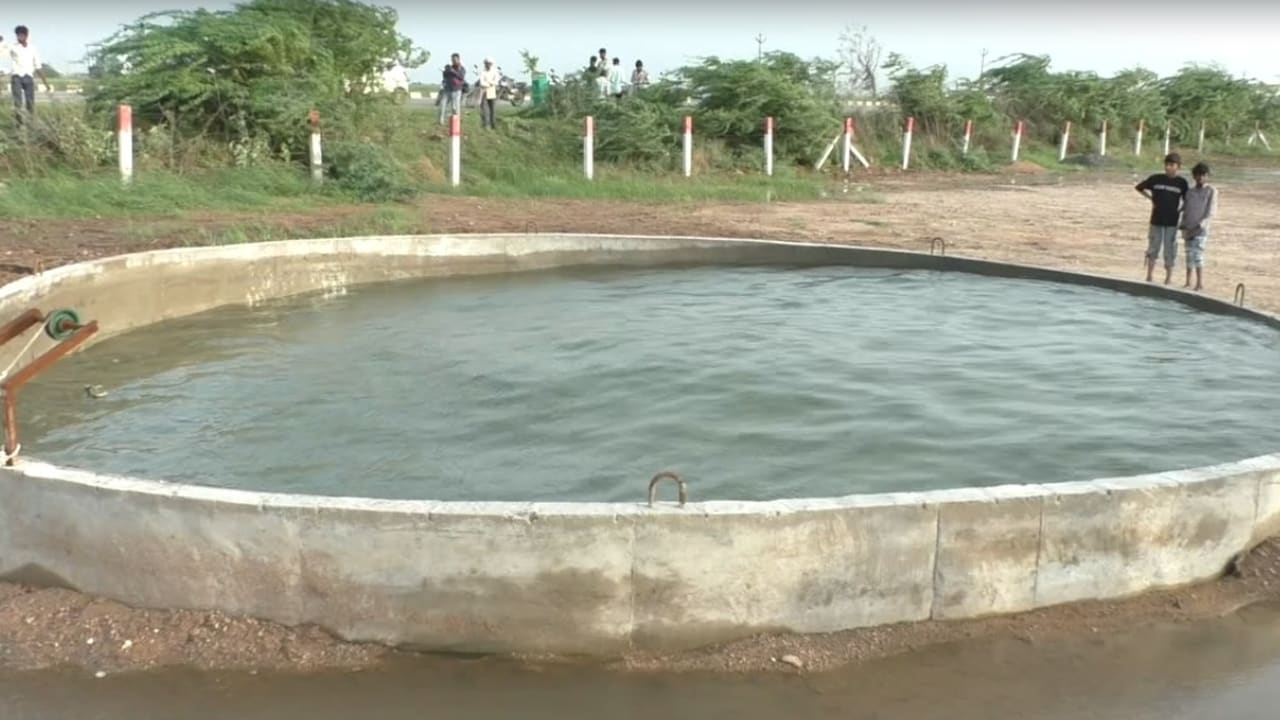
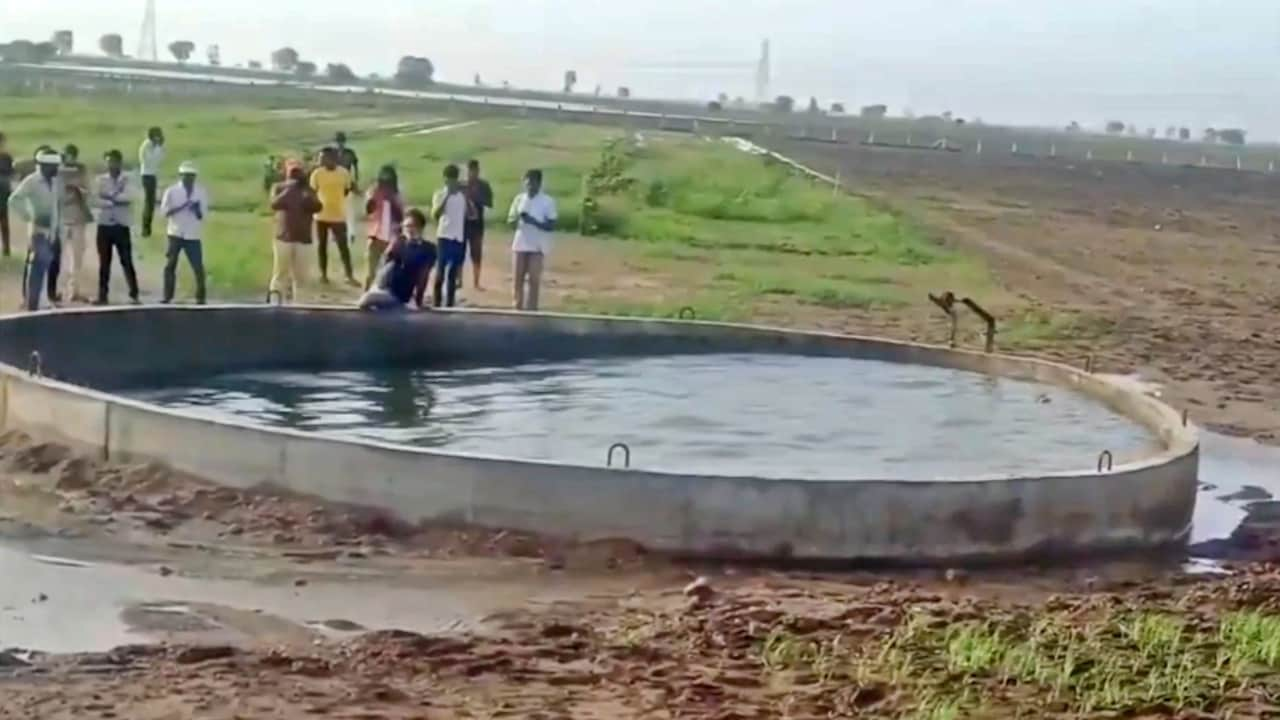
A quiet agricultural landscape in the village of Virparda, located within Gujarat’s Morbi taluka, has transformed into an unexpected focal point of public intrigue. What began as a routine observation at a private farm has escalated into a localized phenomenon, drawing hundreds of curious onlookers and sparking widespread discussion across social media platforms. For nearly five days, an 18-foot-deep agricultural well on the property of farmer Pranjivan Sadariya has exhibited persistent, unexplained water activity, characterized by continuous ripples and an unusual state of agitation that has defied typical irrigation patterns.
The anomaly was first documented on August 2, when the well owner noticed that the water surface remained in a state of constant turbulence despite the absence of external mechanical interference, such as pump operation or seismic activity. As news of the "rippling well" spread through neighboring districts, the site attracted a steady stream of visitors, ranging from local residents to travelers eager to witness the event firsthand. While the visual spectacle has captivated the public, the scientific community and local authorities are now turning their attention to the underlying geological mechanics that may be driving such a prolonged and steady disturbance in a shallow aquifer.
Evaluating Potential Geological and Hydrogeological Drivers
From an agronomic and geological perspective, the sustained agitation of water in an 18-foot-deep well suggests a disruption in the equilibrium of the local water table. Shallow wells in the Morbi region typically tap into alluvial aquifers, where water pressure is highly dependent on seasonal recharge and the geological structure of the underlying strata. One plausible, albeit rare, explanation for such surface movement is the sudden release of trapped gases, such as methane or carbon dioxide, from deep-seated geological pockets. As these gases percolate upward through the water column, they can create a continuous bubbling effect that manifests as surface ripples.
Another theory involves localized shifts in hydrostatic pressure. If the well has intersected a subterranean fissure or a pressurized conduit connected to a broader aquifer system, changes in underground flow dynamics could force water to the surface with greater kinetic energy than usual. While seismic tremors are a common cause for sudden changes in well behavior, the absence of reported earthquakes in the Morbi area suggests that the cause may be more localized, potentially linked to the specific hydrogeological characteristics of the Virparda soil profile. Experts often look for signs of sediment displacement or changes in water clarity to determine if the pressure release is merely a temporary fluctuation or an indicator of a deeper, more permanent change in the well’s recharge capacity.
The Intersection of Curiosity and Public Safety
The influx of crowds to a private agricultural site presents significant logistical and safety challenges. Beyond the fascination, there are legitimate concerns regarding the structural integrity of the well’s masonry and the surrounding soil. When water levels remain elevated or turbulent for extended periods, the risk of soil liquefaction or erosion around the well’s foundation increases, potentially threatening the stability of the structure. Furthermore, the uncontrolled overflow of agricultural water can lead to localized waterlogging, which can adversely affect surrounding crop health by promoting root rot and creating breeding grounds for water-borne pathogens.
Local administration and agricultural extension officers are tasked with balancing public interest with the necessity of maintaining site security. It is vital that the area remains cordoned off to prevent accidents, particularly as the ground surrounding such wells can become unstable when saturated. As data is collected, authorities are expected to conduct a formal assessment to rule out any hazardous gas emissions or contamination of the water supply that could pose a risk to the local farming community.
What This Means for Farmers
For the farming community, this event serves as a critical reminder of the importance of monitoring groundwater infrastructure. While the phenomenon at Virparda is an outlier, it highlights the vulnerability of agricultural water sources to shifts in subterranean conditions. Farmers are advised to take the following practical steps:
- Prioritize Structural Inspections: If a well exhibits sudden or unexplained changes in water behavior, refrain from using it for irrigation until a professional inspection confirms that the structure is secure and the water quality remains safe for crop use.
- Monitor Water Quality: Any unusual aeration or agitation can sometimes be associated with changes in mineral content or the introduction of gases. Testing water for chemical composition is a prudent measure to ensure that it remains suitable for irrigation and does not contain substances that could harm soil health or crop yields.
- Manage Public Access: Maintaining safety on private property is paramount. Farmers should limit access to areas surrounding wells during periods of instability to protect both the public and their own agricultural assets from potential collapse or erosion.
- Consult Local Experts: In instances of unexplained geological activity, contacting local agricultural extension services or state water resource departments is essential. These agencies possess the technical expertise to monitor regional aquifer levels and provide guidance on whether such events are isolated incidents or part of a larger, manageable trend in the local water table.
Ultimately, while the mystery of the Morbi well continues to draw crowds, the primary concern remains the safety of the land and the preservation of the vital water resources that sustain the region’s agricultural economy.