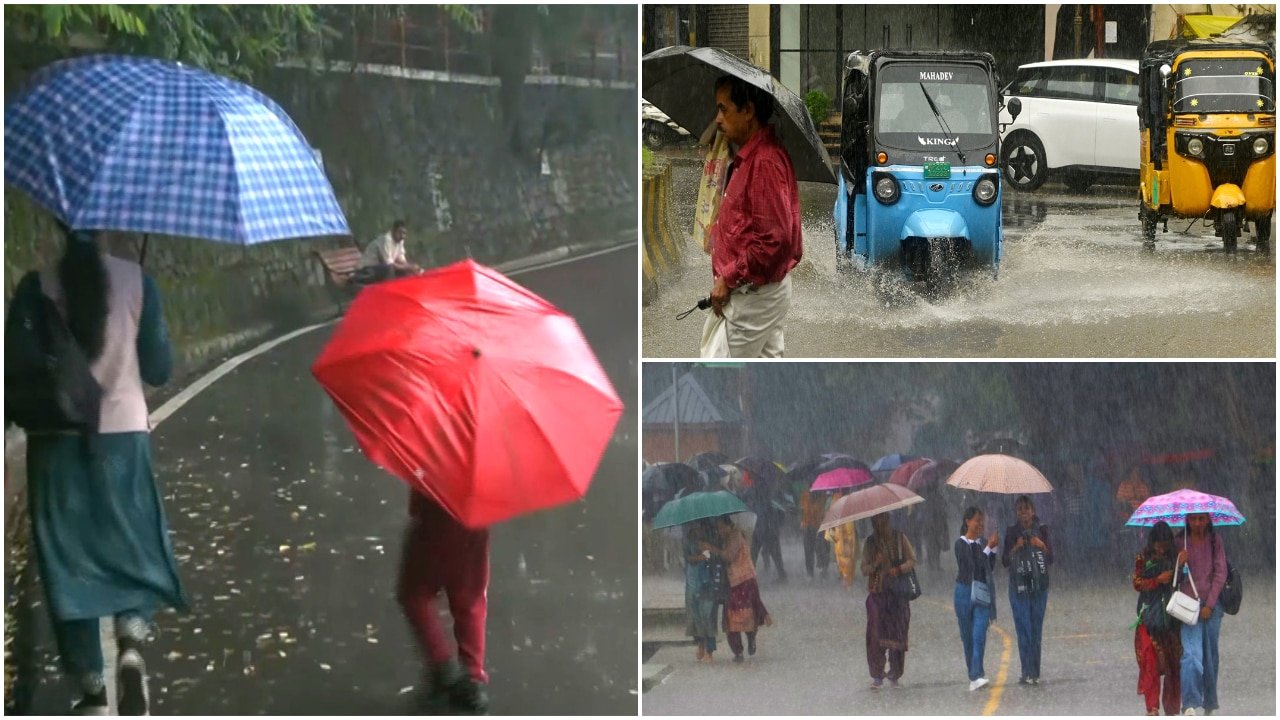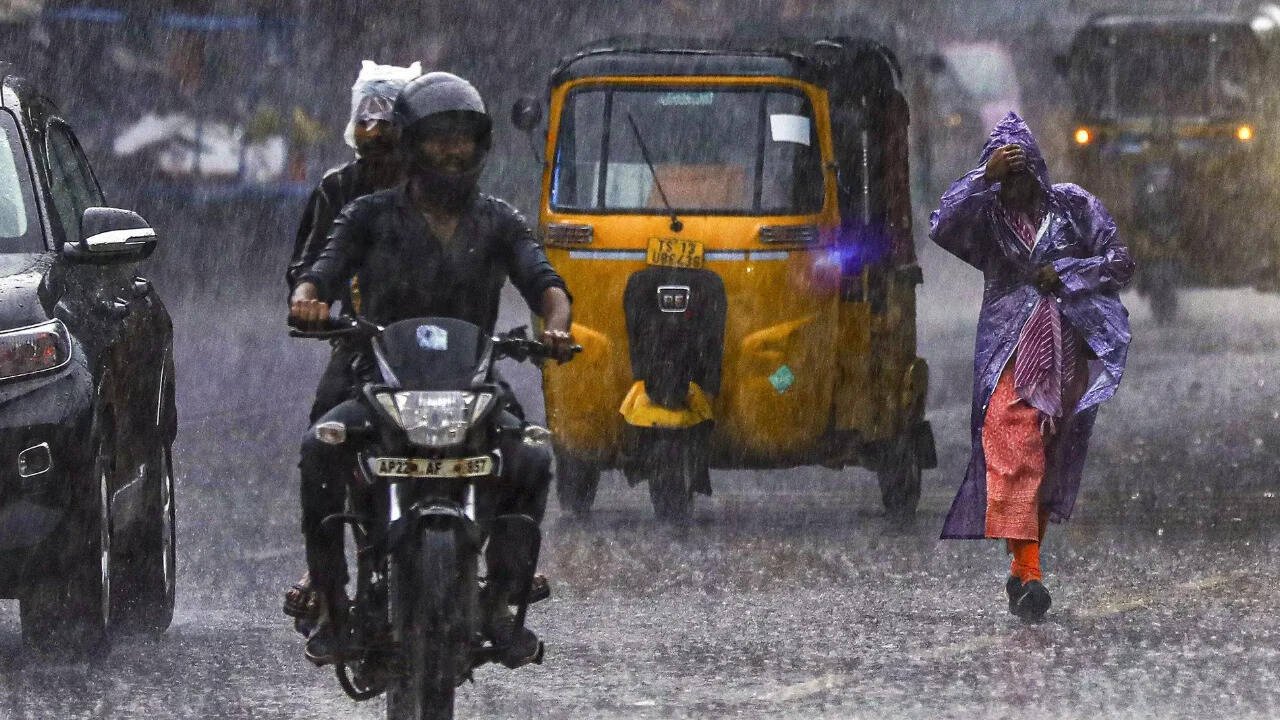
Mumbai Braces for Heavy Rainfall as Civic Leadership Urges Calm
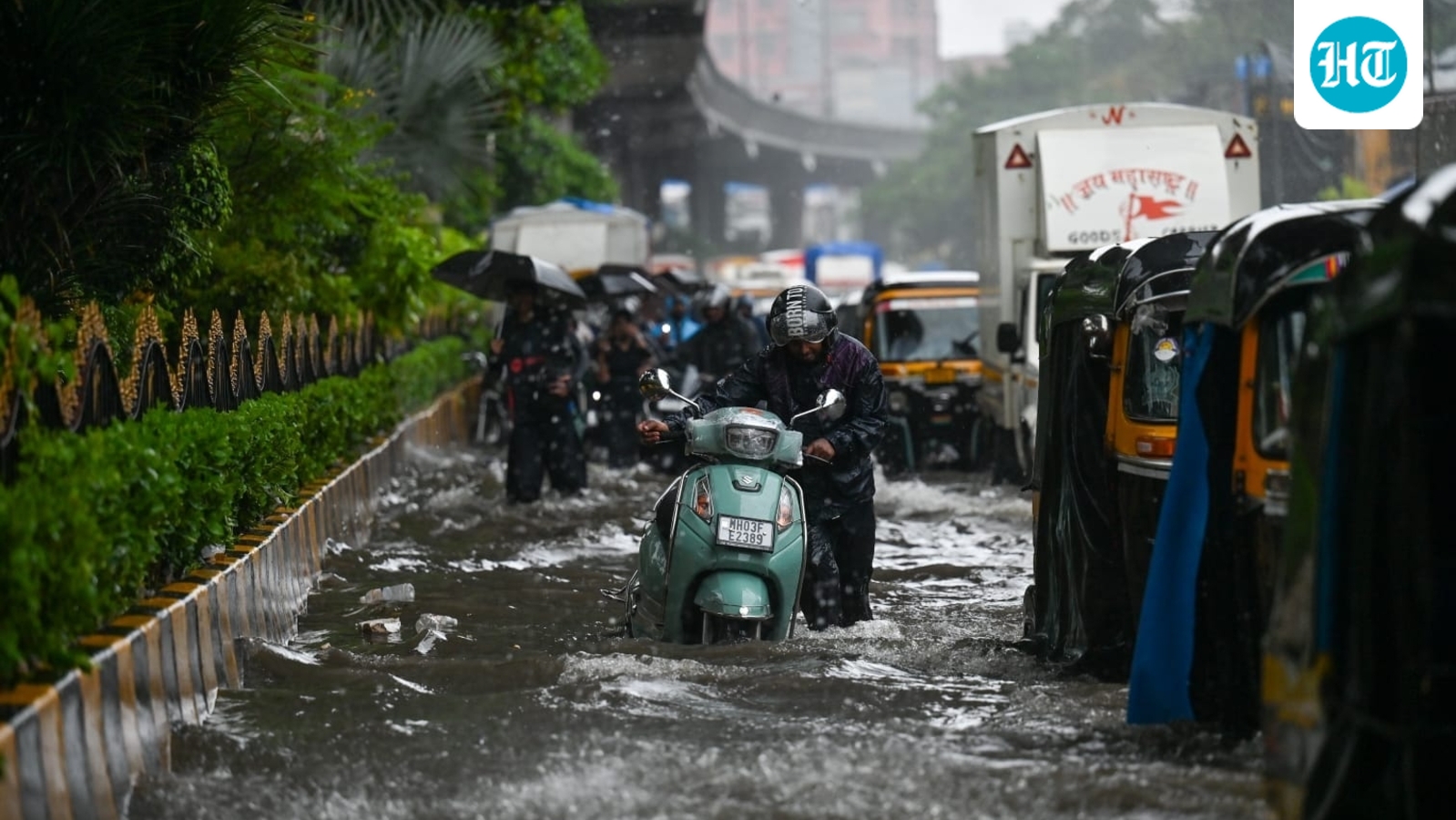
As the India Meteorological Department (IMD) issues a yellow alert for Mumbai and the surrounding districts of western Maharashtra, the city finds itself at a familiar crossroads between meteorological caution and civic life. The weather bureau has signaled the expectation of heavy rainfall across the region, prompting concerns regarding urban infrastructure, transport connectivity, and the safety of residents. Despite the warnings, municipal leadership has struck a tone of resilience, encouraging citizens to remain composed while navigating the seasonal downpour.
The yellow alert, which serves as a precautionary notification for residents to "be updated" and prepared for potentially disruptive weather, comes as monsoon activity intensifies across the coastal belt. Historically, this period is critical for the region, as the monsoon patterns dictate not only the daily rhythm of the metropolitan area but also the hydrological health of the surrounding agricultural hinterlands. While the IMD’s warnings are designed to facilitate proactive disaster management, they also highlight the delicate balance the city must maintain during the peak of the rainy season.
Infrastructure Resilience and the Monsoon Cycle
The arrival of heavy rainfall in western Maharashtra brings significant pressure to bear on urban drainage systems and rural logistics alike. For the metropolitan regions, the primary challenge remains the mitigation of waterlogging in low-lying areas, a perennial issue that municipal authorities are tasked with managing through real-time monitoring and emergency response teams. The current alert underscores the volatility of the monsoon, which can shift from moderate showers to intense, localized downpours within a matter of hours.
Beyond the city limits, the rains are a double-edged sword. While the precipitation is essential for replenishing water reservoirs and sustaining the upcoming kharif crop cycle, excessive and unseasonal intensity can lead to soil erosion and damage to standing crops. Agronomists note that while moderate, consistent rainfall is ideal for nutrient absorption and crop development, high-intensity events often require farmers to implement robust drainage strategies to prevent root rot and waterlogging in fields. The regional administration remains in communication with local bodies to ensure that infrastructure is capable of handling the surge in water volume.
Managing Risk in an Uncertain Climate
The tension between the IMD’s technical warnings and the public's daily engagement with the monsoon highlights the evolving nature of disaster preparedness. Modern weather forecasting has become increasingly granular, allowing authorities to issue district-specific alerts that help in prioritizing resources. However, the effectiveness of these alerts depends largely on the readiness of the infrastructure and the awareness of the public.
For the agricultural sector, which is the backbone of western Maharashtra’s economy, the yellow alert serves as a trigger for defensive agronomy. Farmers are advised to keep a close watch on soil moisture levels and ensure that field channels are clear to allow for rapid water runoff. As the region navigates this latest spell of wet weather, the focus remains on leveraging improved weather data to minimize losses while appreciating the essential role the monsoon plays in the life cycle of the state’s agriculture.
What This Means for Farmers
For the farming community, a yellow alert from the IMD should be treated as a signal for immediate field management adjustments. The practical implications and actionable steps include:
- Drainage Maintenance: Ensure that all field drainage channels are unobstructed. Rapid removal of excess surface water is critical to preventing the waterlogging that can lead to fungal diseases and root suffocation in sensitive crops.
- Fertilizer Application Delay: Avoid the application of granular fertilizers or pesticides immediately before or during heavy rain. Precipitation can wash away nutrients before they are absorbed by the soil, leading to both economic loss and potential environmental runoff.
- Crop Protection: For farmers growing high-value horticultural crops, consider the use of temporary protective covers or windbreaks if the heavy rain is accompanied by high-velocity winds, which can cause physical lodging and damage to tender stems.
- Market Logistics: Be prepared for potential disruptions in transport and logistics. Heavy rain often leads to the closure of rural roads or delays in supply chain networks. Farmers should plan their harvesting and delivery schedules to markets accordingly, prioritizing the storage of perishable goods in moisture-controlled environments.
- Communication: Stay tuned to local district agricultural offices for specific advisories. These offices often provide localized guidance based on crop type and soil conditions that go beyond the general IMD alerts.