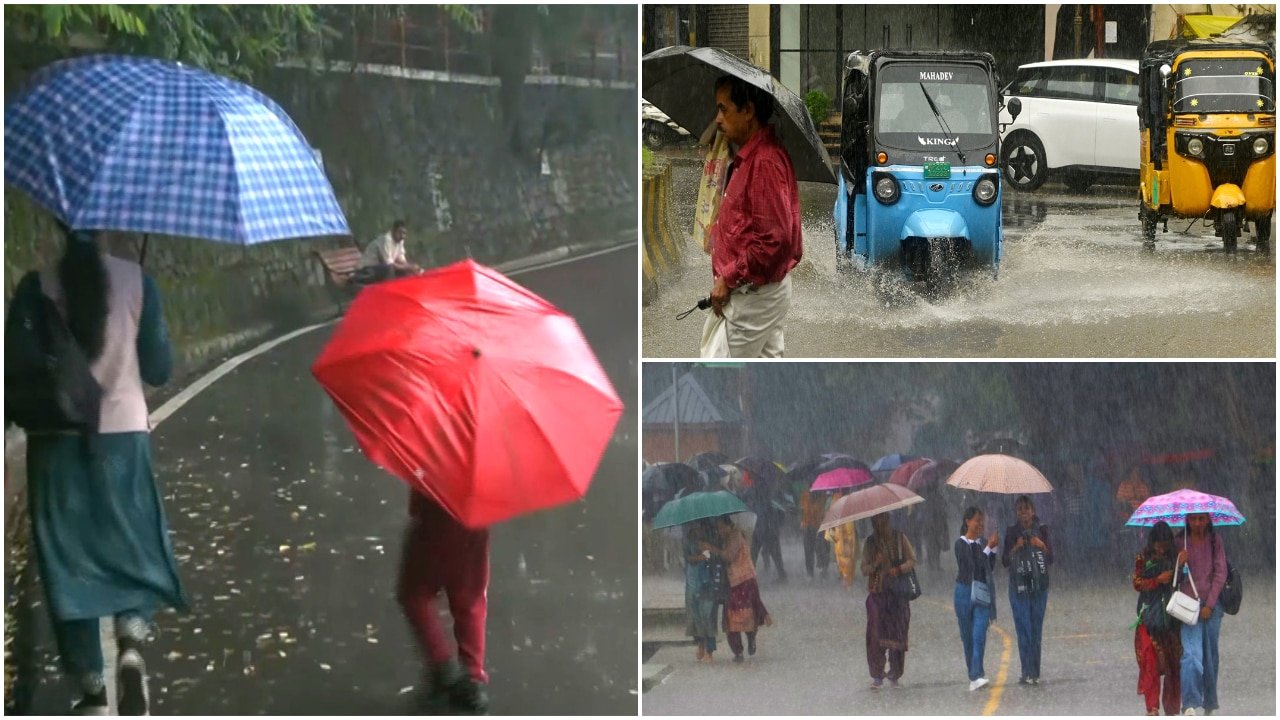
Mumbai Mayor Issues Monsoon Safety Appeal as Maharashtra Braces for Continued Heavy Rainfall
As the monsoon season reaches a period of heightened intensity across Maharashtra, Mumbai Mayor Ritu Tawade has issued a formal appeal to the city’s residents, urging them to exercise caution and responsibility during the current spell of heavy precipitation. With the India Meteorological Department (IMD) maintaining active weather alerts throughout the state, local authorities are intensifying their disaster preparedness protocols to manage the risks associated with sustained downpours and volatile weather conditions.
The latest bulletins from the IMD indicate that a combination of shifting atmospheric pressure systems and strong moisture-laden winds from the Arabian Sea is sustaining the monsoon’s vigor. This meteorological activity is not confined to the coastal regions but is impacting inland districts as well, necessitating a state-wide approach to weather management. Mayor Tawade emphasized that while the monsoon is a vital component of the region’s ecological and agricultural health, the current intensity requires a heightened level of civic discipline to prevent avoidable accidents and infrastructure strain.
Meteorological Outlook and Regional Weather Dynamics
The IMD’s ongoing alerts highlight a pattern of persistent, heavy rainfall accompanied by gusty winds that can lead to hazardous conditions for both urban and rural populations. Meteorological experts note that the current weather systems are characterized by deep cloud cover and high-intensity rainfall windows, which can overwhelm drainage systems and lead to localized flooding in low-lying areas.
Throughout Maharashtra, the agricultural sector is closely monitoring these developments. While the replenishment of water reservoirs and the provision of moisture for standing crops are generally beneficial at this stage of the season, the potential for extreme weather events remains a significant concern. The IMD’s forecast suggests that these active conditions will likely persist throughout the week, with the possibility of rapid changes in wind speed and localized storm surges. Local administrative bodies have been advised to remain on high alert, particularly in regions prone to landslides and soil erosion, as saturated ground conditions increase the risk of instability.
Strategic Preparedness and Infrastructure Management
In response to the IMD’s outlook, the Mumbai Municipal Corporation and regional district authorities have mobilized response teams to manage the impact of the heavy rain. Infrastructure management remains a primary focus, with efforts centered on clearing drainage channels, securing loose structures against high winds, and ensuring that emergency services are positioned to reach vulnerable areas quickly.
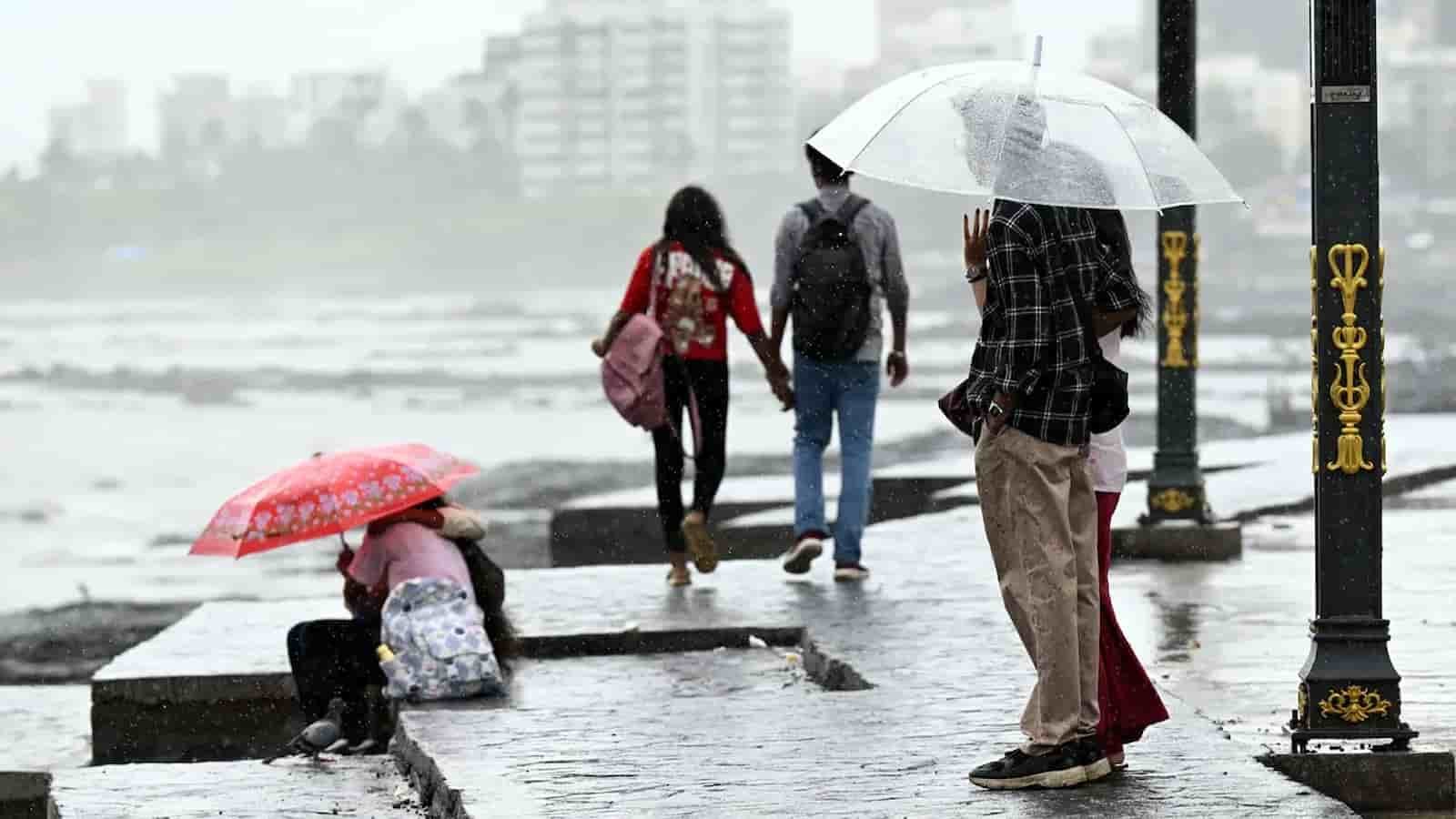
Mayor Tawade’s call for "responsible enjoyment" of the monsoon acknowledges the cultural significance of the rains in Mumbai, while simultaneously underscoring the necessity of avoiding high-risk areas such as coastal promenades and flooded thoroughfares. The administration is encouraging residents to stay informed through official channels and to prioritize personal safety by avoiding unnecessary travel during peak weather alerts. By integrating real-time weather data with community cooperation, the city aims to mitigate the disruption often caused by extreme monsoonal events.
What This Means for Farmers
For the agricultural community across Maharashtra, the current weather pattern serves as a critical junction in the cropping calendar. While the widespread rainfall is essential for groundwater recharge and the sustenance of kharif crops, the intensity of the current spell requires specific management interventions:
- Drainage Management: Farmers must prioritize the clearing of field drainage channels to prevent waterlogging, which can lead to root rot and nutrient leaching in standing crops. Ensuring that excess water can escape fields is vital to maintaining soil aeration.
- Crop Protection: High humidity and persistent rain create an ideal environment for fungal diseases and pest outbreaks. Growers are advised to conduct field inspections as soon as weather permits and to consult with local extension officers regarding appropriate prophylactic measures.
- Infrastructure Security: Gusty winds pose a risk to tall-growing crops and horticultural orchards. Where feasible, temporary support structures should be reinforced, and harvested produce—if any—must be stored in moisture-proof conditions to prevent post-harvest losses.
- Market Logistics: Farmers should anticipate potential disruptions in rural transport and supply chains. Planning for delayed movement of perishable goods to markets is essential to minimize financial losses during periods of severe weather.
- Long-Term Planning: The current moisture surplus should be viewed as an opportunity for water harvesting. Ensuring that farm ponds and catchment areas are prepared to capture runoff will provide a buffer during the inevitable dry spells that follow the peak monsoon.
Ultimately, while the IMD alerts provide the necessary data for risk mitigation, the practical application of these warnings at the farm level remains the most effective tool in safeguarding the season's yield. Farmers are encouraged to stay in contact with their local Krishi Vigyan Kendra (KVK) for specific agronomic advice tailored to their district's current soil and crop conditions.