Mumbai Faces Multi-Front Crisis: Weather Volatility and Civil Unrest Disrupt City Operations
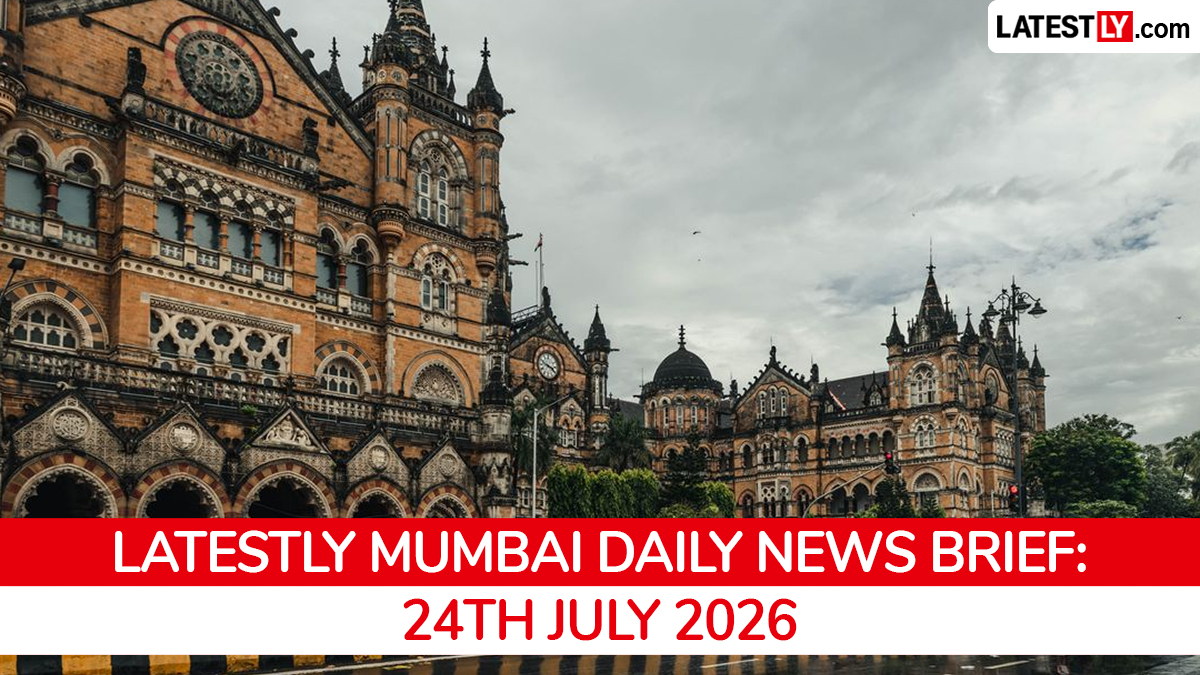
Mumbai finds itself in the grip of a multifaceted crisis this July 24th, 2026, as the city contends with the dual pressures of extreme weather alerts and escalating social unrest. The financial capital is currently navigating a high-alert status due to persistent heavy rainfall, which has significantly hampered urban mobility and logistics. Concurrently, the implementation of Section 144—a legal provision prohibiting public gatherings—has been enacted in key zones to manage protests surrounding the NEET examination controversies, adding a layer of security-driven friction to the city’s daily rhythm.
The convergence of these events has created a challenging environment for both residents and the essential supply chains that rely on Mumbai’s critical infrastructure. As meteorologists monitor cyclonic conditions and law enforcement manages crowds, the city’s ability to maintain equilibrium is being tested to its limits.
Infrastructure Strain: Weather and Traffic Incidents
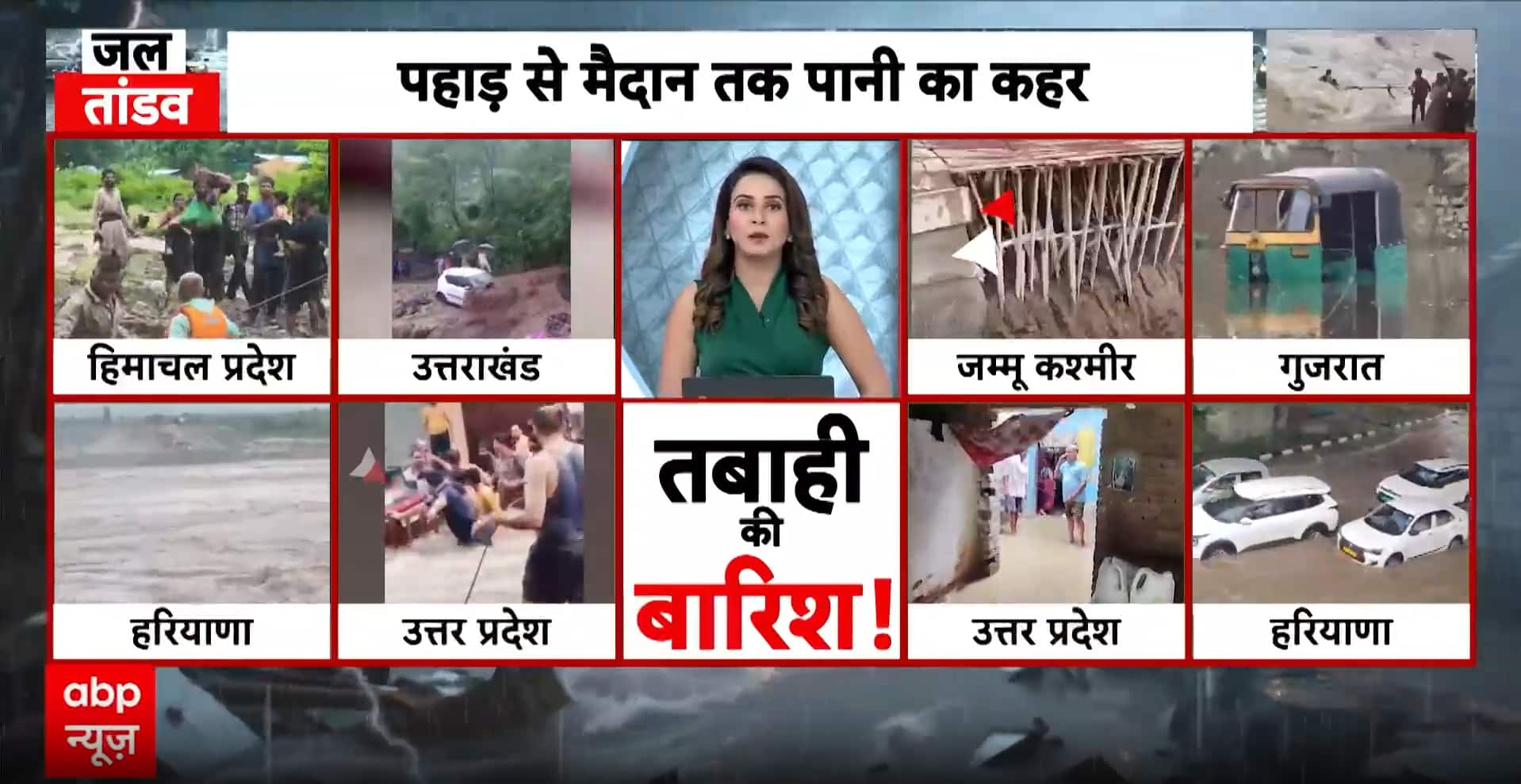
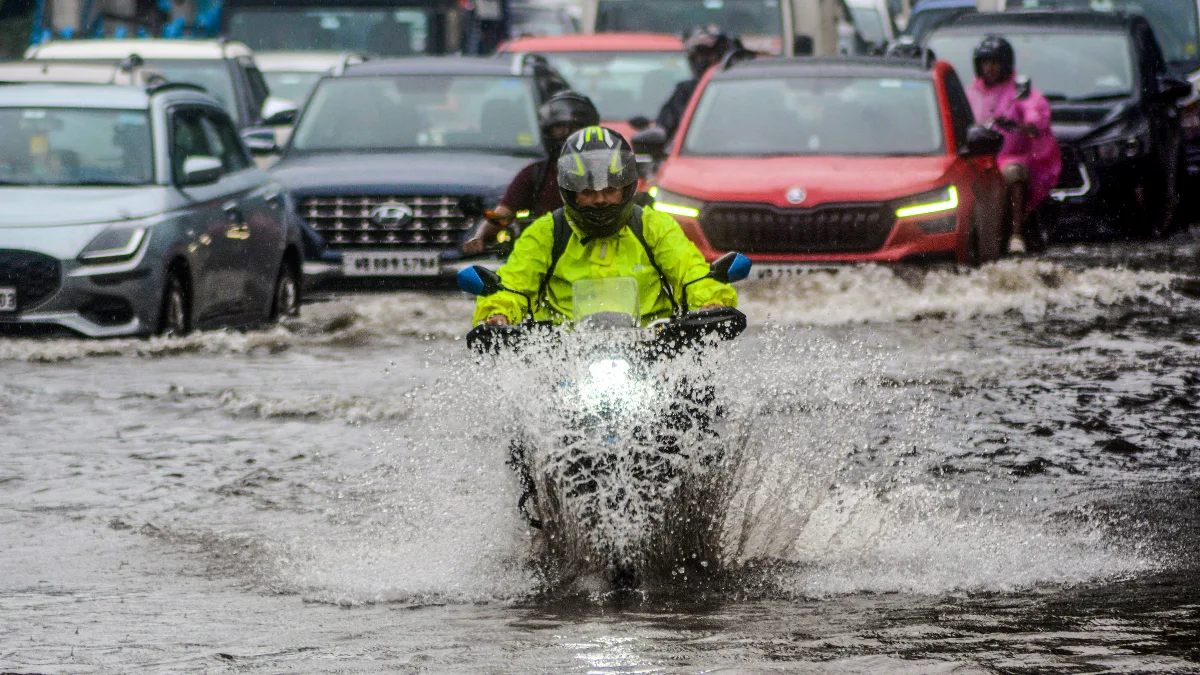
The monsoon season has reached a point of high intensity, triggering widespread warnings across the Mumbai Metropolitan Region. The heavy downpours have not only caused waterlogging in low-lying areas but have also contributed to significant transit hazards. A notable collision on the newly inaugurated Coastal Road has highlighted the vulnerabilities of high-speed infrastructure during periods of reduced visibility and slick road surfaces. Such incidents, occurring alongside the general disruption of transport networks, serve as a stark reminder of the city's ongoing struggle to balance rapid development with climate resilience.
Furthermore, the logistical strain was compounded by a breach in security protocol involving a police van, which reportedly escaped control amidst the congestion and chaos caused by the rain. These isolated yet impactful incidents have complicated the efforts of municipal authorities to keep the city’s arteries clear. For the agricultural and horticultural sectors—which often rely on the seamless transit of perishable goods through Mumbai’s ports and markets—these disruptions represent a significant bottleneck, potentially impacting the timely distribution of fresh produce and essential inputs.
The Socio-Political Climate: NEET Protests and Public Order
Beyond the meteorological challenges, the social fabric of the city is currently strained by sustained protests concerning the NEET examination process. The decision by authorities to invoke Section 144 reflects the gravity of the situation, as the administration seeks to prevent large-scale public disturbances. These protests have created localized gridlock, further complicating the movement of goods and services throughout the metropolitan area.
The intersection of civil unrest and severe weather creates a "perfect storm" for urban management. Emergency services are currently stretched thin, balancing the need to respond to weather-related distress calls with the requirement to maintain public order. For businesses and commuters alike, the current climate necessitates a high degree of caution, as the combination of flooded streets and restricted movement zones makes navigation through the city unpredictable.
What This Means for Farmers
For the agricultural community and those involved in the broader agribusiness supply chain, the current situation in Mumbai serves as a critical indicator of market volatility. The primary impacts are twofold:
- Supply Chain Bottlenecks: With major transit routes like the Coastal Road experiencing delays and traffic restrictions, farmers and distributors should anticipate significant lags in the supply of perishables. The inability to move goods efficiently from rural production centers into urban wholesale markets often results in increased post-harvest losses and price fluctuations.
- Input Distribution Risks: Farmers relying on Mumbai as a transit hub for seeds, fertilizers, and specialized machinery should expect potential delays. It is highly advisable for agricultural enterprises to verify the status of transit corridors before dispatching time-sensitive shipments.
- Operational Resilience: The current conditions underscore the importance of maintaining robust, diversified storage solutions at the farm level. When urban transit hubs are compromised by weather or civil disruption, the ability to store harvests safely for an additional 48 to 72 hours becomes a vital economic buffer.
- Economic Vigilance: As news of these disruptions spreads, market participants should remain vigilant regarding price signals. Infrastructure interruptions in major hubs often lead to temporary price spikes in urban retail markets, while farm-gate prices may experience downward pressure due to the inability to move surplus inventory.
In the coming days, stakeholders are advised to prioritize safety and maintain flexibility in their logistics planning. Monitoring municipal alerts and local traffic updates will be essential for mitigating the economic impact of these ongoing disruptions.