Monsoon Intensity Intensifies: IMD Issues Red Alerts for Heavy Rainfall and Gusty Conditions
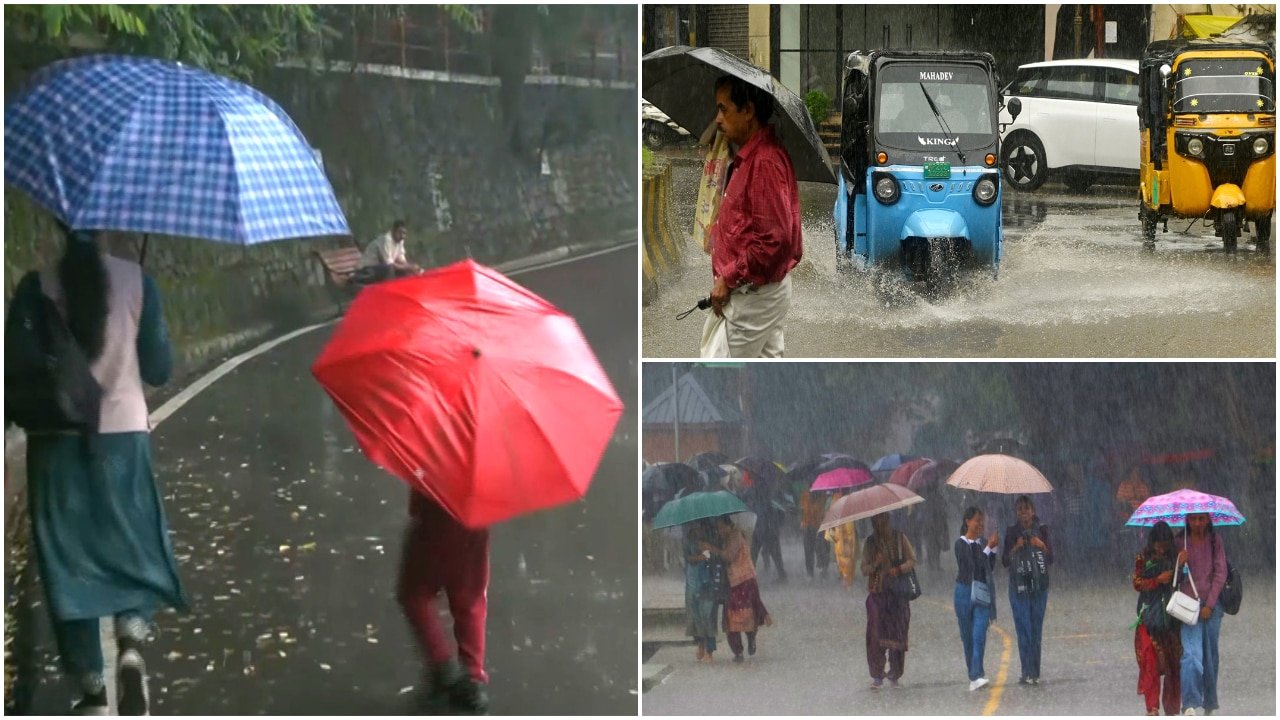
The India Meteorological Department (IMD) has issued a significant weather advisory as the monsoon season reaches a critical phase of activity. Meteorological data indicates that a convergence of atmospheric moisture and low-pressure systems is set to trigger heavy to very heavy rainfall across multiple Indian states on July 12. These conditions, characterized by intense precipitation, thunderstorms, and powerful gusty winds, have prompted authorities to upgrade warnings in several vulnerable regions.
The heightened weather activity coincides with broader monsoon patterns that have seen a surge in moisture transport from the Arabian Sea and the Bay of Bengal. In coastal regions, the impact of these systems is already visible; for instance, Mumbai’s Marine Drive recently recorded high-tide phenomena, serving as a stark reminder of the volatile nature of the current weather cycle. As the monsoon troughs shift, agricultural and urban centers alike are bracing for potential disruptions.
Atmospheric Drivers and Regional Impact
The current weather volatility is attributed to a combination of active offshore troughs and cyclonic circulations that are funneling moisture deep into the interior of the subcontinent. When these systems interact with existing topography, they often lead to "cloudburst-like" scenarios or sustained heavy rainfall over short durations. This is particularly concerning for states located along the western coast and those in the central plains, where the soil moisture levels are already reaching saturation points.
Beyond the rainfall, the IMD has explicitly highlighted the risk of gusty winds. These wind patterns can reach speeds capable of causing structural damage to temporary shelters, disrupting power lines, and—most critically—causing significant lodging in standing crops. The combination of saturated soil and high-velocity winds creates a precarious environment for both rural infrastructure and regional logistics, as transport corridors may face localized flooding or debris accumulation.
Managing the Meteorological Risk
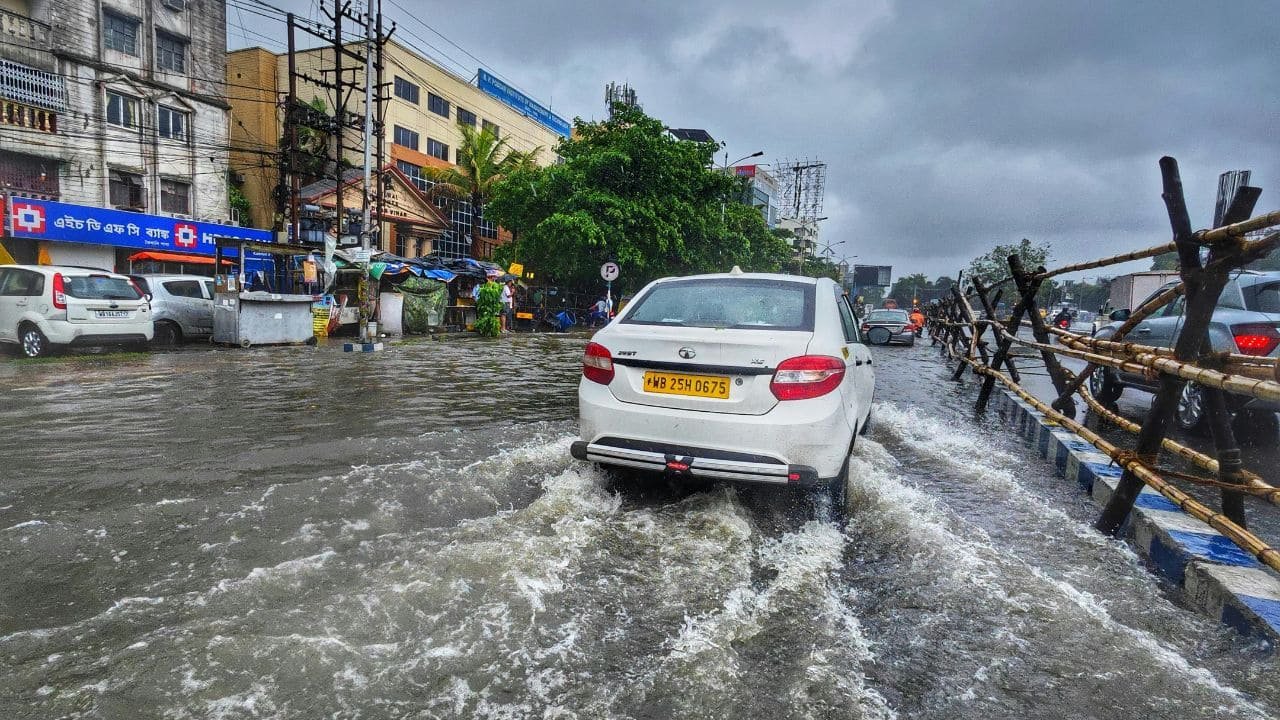
Meteorological experts emphasize that while the monsoon is essential for the kharif crop cycle, the intensity of these specific events requires proactive management. The IMD’s forecast serves as a warning for state disaster management authorities to remain on high alert, particularly in districts prone to flash floods or landslides. The focus remains on monitoring rainfall thresholds, as prolonged precipitation can lead to rapid runoff, overwhelming drainage systems and small-scale irrigation channels.
Coastal states are observing heightened tidal activity, which can exacerbate flooding in low-lying areas by preventing the natural discharge of inland rainwater into the sea. As the monsoon track progresses, the IMD continues to update its localized models to provide more granular data, ensuring that district-level administrations can implement preemptive evacuation or relief measures if necessary.
What This Means for Farmers
For the agricultural community, the current forecast presents a complex scenario that requires immediate attention and strategic adjustment. While the replenishment of water reservoirs is welcome for long-term irrigation, the immediate threat of heavy downpours and gusty winds poses risks to the current cropping cycle:
- Crop Protection: Farmers with standing crops should ensure that field drainage channels are cleared to prevent waterlogging. Standing water for extended periods can lead to root rot and nutrient leaching, particularly in sensitive crops.
- Mitigating Lodging: In areas where crops have reached a height susceptible to wind damage, farmers should monitor for signs of lodging. If possible, providing temporary support or ensuring that the crop canopy is not overly dense can help minimize physical damage from gusty winds.
- Input Management: It is advisable to delay the application of fertilizers or pesticides during periods of heavy rainfall. Nutrients applied just before a heavy downpour are likely to be washed away, resulting in economic loss and environmental runoff.
- Livestock Safety: Ensure that livestock are sheltered in sturdy, elevated structures away from low-lying areas that are prone to sudden water accumulation. Secure all feed supplies and fodder to prevent spoilage from moisture.
- Market Logistics: Be prepared for potential delays in the movement of perishable produce. Farmers should monitor local transport updates, as heavy rainfall often leads to road closures and supply chain bottlenecks, which may affect market access and post-harvest storage strategies.
By staying informed through official IMD bulletins and maintaining vigilance over field conditions, farmers can take the necessary steps to protect their investments during this period of intense monsoon activity.