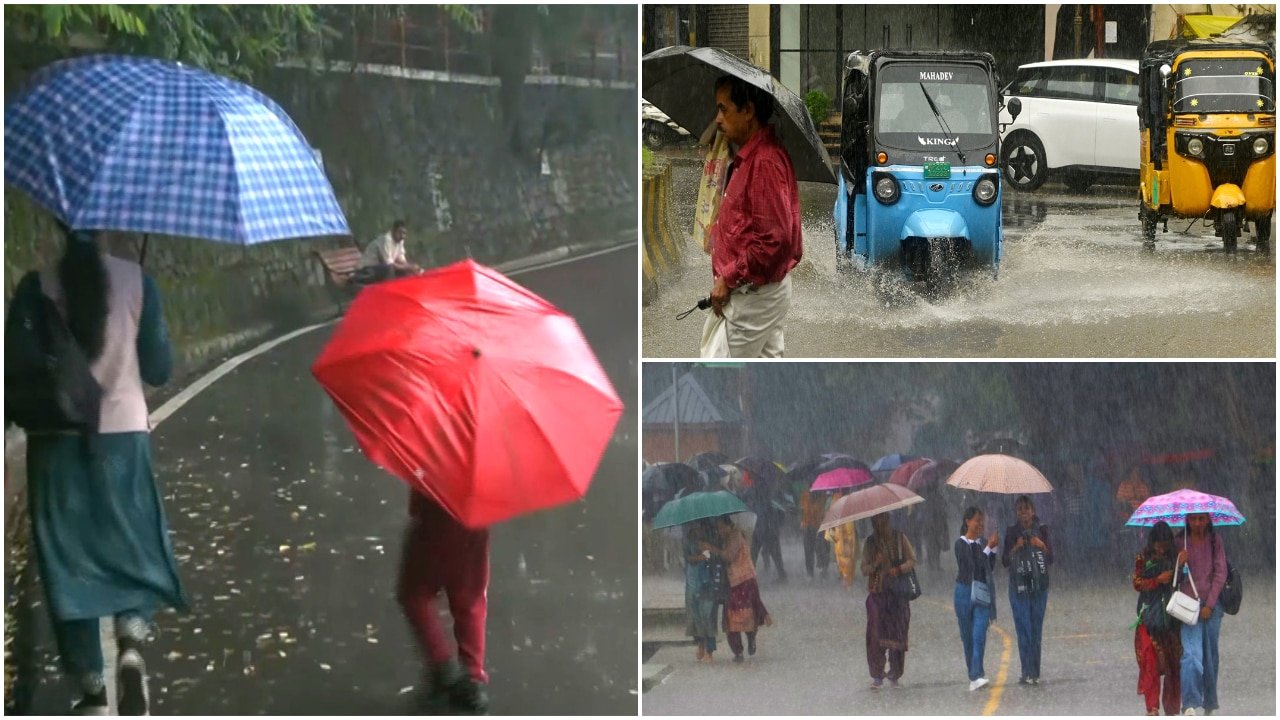
Monsoon Intensification: Widespread Heavy Rainfall and Thunderstorms Forecast for Friday
The Indian Meteorological Department has issued a significant alert indicating that the southwest monsoon is poised to enter a phase of renewed vigor across large swathes of the country. After a period of localized variability, atmospheric conditions are aligning to trigger a surge in moisture-laden winds, resulting in an expected uptick in heavy rainfall and localized thunderstorms starting this Friday. This shift in weather patterns is anticipated to provide a critical boost to moisture levels in regions currently grappling with dry spells, while simultaneously raising concerns regarding flash flooding and potential crop damage in vulnerable low-lying areas.
Atmospheric Drivers and Regional Impact
Meteorologists attribute this shift to the strengthening of offshore troughs and the movement of cyclonic circulations, which are currently channeling moisture from the Arabian Sea and the Bay of Bengal deeper into the Indian subcontinent. As these systems converge, the resulting convective activity is expected to manifest as intense rainfall events, often accompanied by strong gusty winds and lightning.
Coastal regions and the interior peninsula are likely to bear the brunt of the initial surge, with heavy to very heavy rainfall forecast for specific pockets. Meanwhile, the central and northern plains, which are currently in the midst of the critical kharif sowing window, are expected to receive well-distributed precipitation. The intensity of the storms is projected to be particularly high during the late afternoon and evening hours, as daytime heating triggers rapid cloud formation and instability in the lower atmosphere. Authorities have cautioned that the combination of heavy rainfall and sudden, high-velocity winds could lead to temporary disruptions in local infrastructure and transport networks.
Agronomic Considerations and Moisture Management
For the agricultural sector, the timing of this monsoon surge is a double-edged sword. On one hand, the arrival of widespread rain is a welcome development for farmers who have been waiting for optimal soil moisture levels to complete sowing operations for primary kharif crops, including paddy, pulses, and oilseeds. Adequate rainfall during this phase is essential for seed germination and the establishment of robust root systems, which will dictate yield potential in the coming months.
However, the intensity of the forecast storms presents a challenge for field management. Excessive rainfall over a short duration can lead to surface runoff, soil erosion, and the leaching of essential nutrients—particularly nitrogen—from the upper soil profile. Furthermore, standing water in fields that have not yet been drained properly can lead to waterlogging, which poses a significant risk of root rot and delayed growth in sensitive young crops. Agronomists emphasize that the management of these weather events is as important as the rain itself, necessitating proactive field preparation to mitigate the risk of damage.
What This Means for Farmers
The transition to a vigorous monsoon phase requires immediate attention to farm-level risk management. Farmers are advised to prioritize the following actions to protect their investments and ensure crop health:
- Improve Field Drainage: Before the onset of heavy rains on Friday, ensure that all drainage channels are clear of debris. Creating small drainage furrows within fields can help prevent water accumulation and reduce the risk of crop submergence.
- Nutrient Management: With heavy rain likely to cause nutrient leaching, farmers should avoid top-dressing fertilizers immediately before or during heavy downpours. It is more prudent to apply fertilizers once the soil moisture stabilizes, ensuring that the nutrients remain available to the plants rather than being washed away.
- Monitor for Pests and Disease: High humidity and increased soil moisture create a prime environment for fungal diseases and certain pest infestations. Regular scouting of fields is essential during the 48 hours following the rain to identify early signs of fungal outbreaks or insect pressure.
- Infrastructure Security: Secure any temporary structures, fencing, or irrigation equipment that may be vulnerable to high-velocity winds associated with predicted thunderstorms.
- Stay Informed: Continue to monitor local weather bulletins and district-level updates. The monsoon's behavior can be unpredictable, and localized warnings from agricultural extension offices provide the most accurate guidance for specific regional microclimates.
While the prospect of heavy rain is generally positive for the overall agricultural outlook, the intensity of this week's weather system serves as a reminder of the need for climate-resilient farming practices. By proactively managing soil moisture and crop protection, farmers can ensure that they are positioned to benefit from the monsoon's bounty while minimizing the risks posed by extreme weather events.