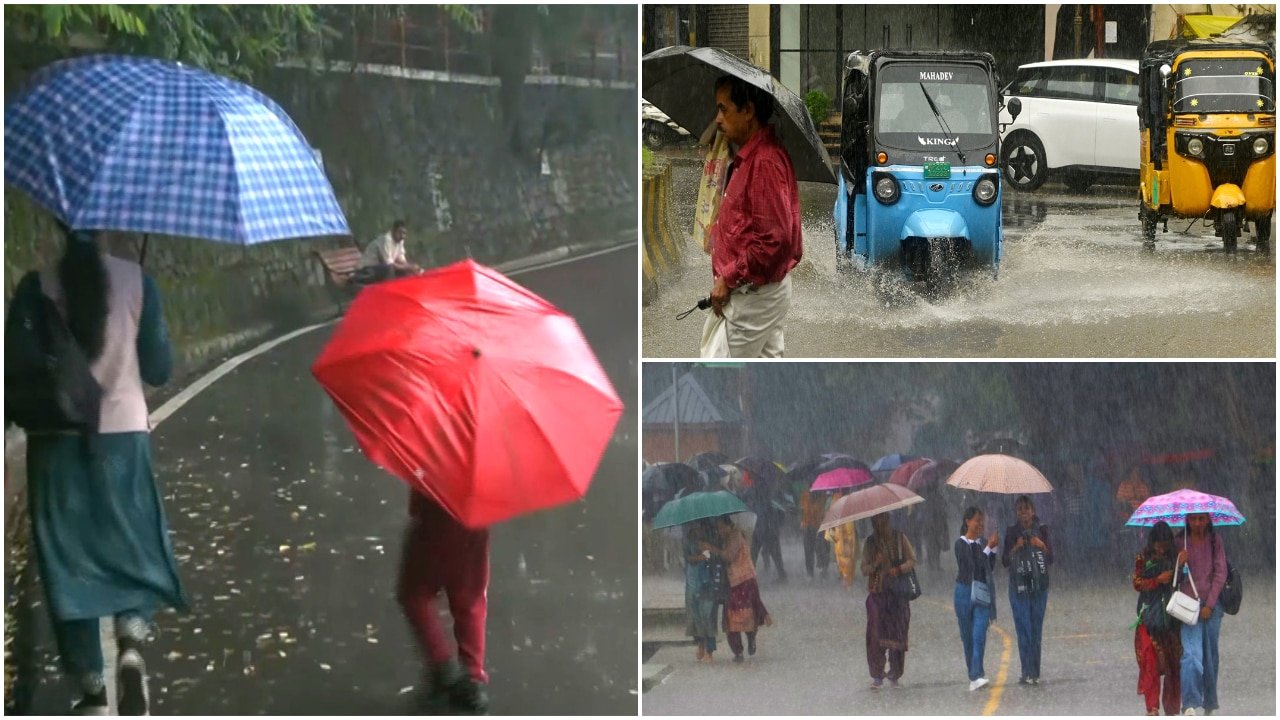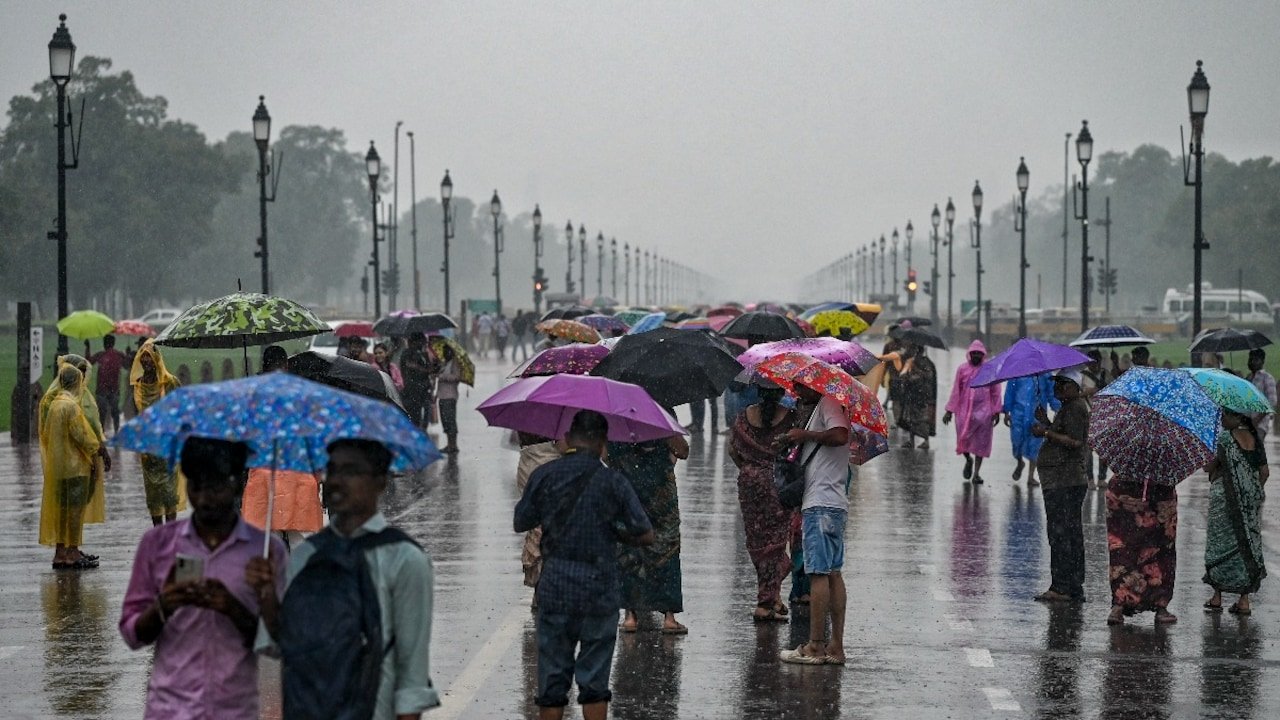
Monsoon Activity Set to Disrupt Independence Day Observances Across Key Regions
As the nation prepares to commemorate Independence Day, meteorological agencies have issued alerts indicating that the monsoon trough is poised to exert significant influence over large swathes of the country. While monsoon rainfall is generally welcomed by the agricultural sector, the timing of this active weather phase poses logistical challenges for ceremonial events, public gatherings, and critical field operations. The forecast suggests that several states are likely to experience heavy to very heavy precipitation, potentially dampening the celebratory spirit and impacting the mobility of rural communities.
Regional Distribution and Meteorological Drivers
The current atmospheric circulation patterns indicate a strengthening of the monsoon currents, driven by a low-pressure system moving inland from the coastal regions. Meteorologists note that the moisture-laden winds are expected to concentrate their intensity over the central and northern interior districts. These regions, which have been navigating a delicate balance of soil moisture levels throughout the season, are now bracing for a sudden influx of rainfall.
The convergence of wind patterns is expected to bring widespread, persistent showers, moving beyond the typical short-duration bursts that characterize the late-season monsoon. For administrative centers and district headquarters, this means that outdoor flag-hoisting ceremonies and parades may face significant disruption. Beyond the logistical hurdles of public events, the meteorological outlook suggests that the intensity of the rain could lead to localized waterlogging, affecting transport infrastructure and potentially delaying the movement of essential agricultural inputs and commodities during the mid-August window.
Agronomic Implications: Balancing Moisture Needs and Crop Health
For the farming community, the arrival of this weather system presents a complex set of variables. In many areas, the rainfall will be viewed as a vital replenishment for reservoirs and groundwater tables, particularly for crops currently in the vegetative growth stage. Adequate moisture during this period is essential for nutrient uptake and the development of robust root systems, which are critical for yield stability in the coming months.
However, the risks associated with excessive rainfall cannot be overlooked. Agronomists have raised concerns regarding the potential for crop lodging—where heavy rain and wind cause tall-standing crops to bend or collapse—and the increased susceptibility to fungal diseases. High humidity levels, coupled with saturated soil, create an environment conducive to the rapid spread of pathogens. Farmers are advised to monitor their fields closely for signs of water stagnation, which can lead to root rot and nutrient leaching, effectively undoing the progress made through seasonal fertilization programs.
What This Means for Farmers
The impending weather disturbance requires a shift from celebratory preparations to proactive field management. The following steps are recommended to mitigate potential losses:
- Ensure Field Drainage: Prioritize the maintenance of drainage channels to prevent waterlogging. Standing water for more than 24 to 48 hours can cause severe physiological stress to many staple crops, leading to oxygen deprivation in the root zone.
- Postpone Fertilizer Application: If heavy rainfall is imminent, it is prudent to delay the application of top-dressing fertilizers. High-intensity rainfall can lead to significant nitrogen leaching, rendering the application ineffective and increasing the cost of production without providing the intended nutritional benefit to the crop.
- Monitor for Pest and Disease Pressure: Increased moisture and humidity are primary catalysts for fungal outbreaks. Farmers should be prepared to conduct scouting operations immediately following the cessation of the rain to identify early signs of blight, rust, or mildew, allowing for timely intervention if economic thresholds are met.
- Secure Harvested Produce: For those in regions where early-maturing crops have already been harvested, ensuring that produce is stored in dry, elevated, and well-ventilated areas is critical. Moisture infiltration in storage can lead to rapid spoilage and a loss of market value.
- Stay Informed: Local weather alerts should be monitored daily. Agricultural extension services often provide region-specific advisories that can help farmers make informed decisions about irrigation scheduling and plant protection measures based on the specific intensity of the rainfall in their district.
While the monsoon’s timing may complicate the upcoming holiday, it remains an essential component of the agricultural cycle. By remaining vigilant and adapting management practices to the changing weather conditions, farmers can safeguard their investments and ensure that the seasonal rainfall serves as a benefit rather than a liability to their annual production targets.