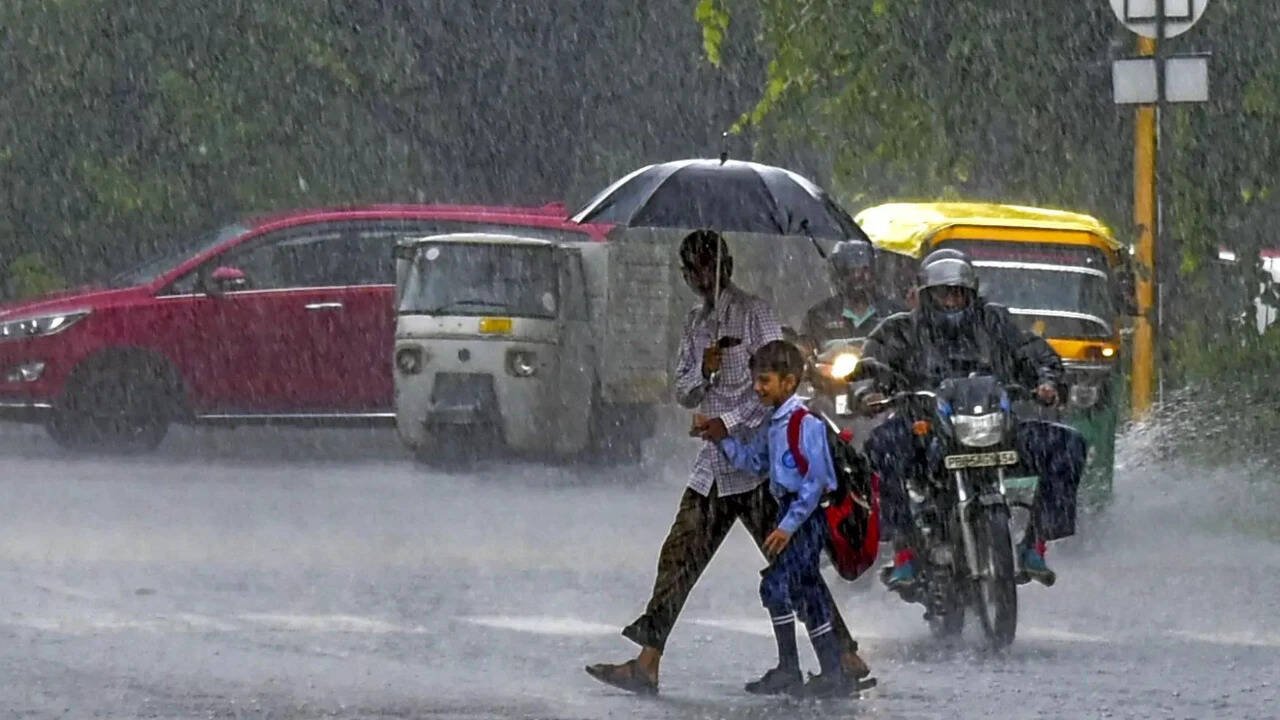
Monsoon Momentum: Meteorological Department Forecasts Widespread Rainfall Across India
The Indian monsoon, the lifeblood of the nation’s agrarian economy, is poised for a significant surge in activity. Meteorological authorities have issued widespread alerts indicating that the seasonal rains are expected to intensify across multiple regions this coming Tuesday. This meteorological shift marks a critical turning point in the monsoon cycle, characterized by the strengthening of low-pressure systems that are set to bring heavy precipitation and localized storm activity to large swathes of the country.
For millions of farmers currently engaged in the kharif sowing season, this uptick in rainfall is a pivotal development. The transition from erratic, localized showers to a more robust and sustained monsoon flow is expected to provide the essential soil moisture required for optimal crop germination and vegetative growth. As weather systems align to facilitate this surge, the focus shifts toward managing the logistical and agronomic challenges that accompany high-intensity rainfall events.
Synoptic Features Driving the Monsoon Surge
The anticipated intensification is driven by a confluence of favorable atmospheric conditions, including the strengthening of cross-equatorial currents and the formation of active moisture-laden wind patterns from the Bay of Bengal and the Arabian Sea. These currents are expected to converge over key agricultural belts, creating an environment conducive to heavy convective activity.
Meteorologists note that the influx of moisture, combined with favorable thermal gradients, will likely result in intense cloud formation and localized thunderstorm activity. While such weather patterns are standard for the peak monsoon months, the velocity at which these systems are currently moving suggests that the rainfall will be both widespread and high in volume. This is particularly significant for regions that have experienced a sluggish start to the season, as the upcoming surge promises to bridge the precipitation deficit and replenish vital water reservoirs and irrigation tanks.
Agronomic Considerations During High-Intensity Rainfall
While the arrival of heavy rain is generally celebrated for its role in recharging groundwater and sustaining staple crops like paddy, pulses, and oilseeds, it also brings a set of management complexities. Heavy precipitation, when concentrated in a short window, can lead to immediate surface runoff and temporary waterlogging in low-lying fields.
Agronomists emphasize that farmers must monitor their fields closely for drainage efficiency. In areas where direct sowing has been completed, excessive water accumulation can lead to seed displacement or the development of fungal pathogens, particularly in sensitive leguminous crops. Furthermore, the high-wind conditions often associated with these storms pose a risk of lodging for crops that are in the early stages of establishment. Effective field management during this period involves ensuring that peripheral drainage channels are cleared to prevent stagnation, which can suffocate root systems and delay critical nitrogen uptake.
What This Means for Farmers
The impending surge in monsoon activity serves as a call to action for the farming community to prioritize both preparedness and adaptive management. The practical implications of this forecast are manifold:
- Optimize Nutrient Management: With heavy rainfall predicted, farmers should exercise caution regarding the application of granular fertilizers. Excessive rain can lead to the leaching of nitrogen and other essential nutrients before they are absorbed by the plant. It is advisable to delay top-dressing until the most intense phase of the storm has passed.
- Enhance Field Drainage: Proactive maintenance of drainage outlets is essential. Ensuring that water can move freely off the field prevents the waterlogging that often leads to root rot and other moisture-related diseases in young crops.
- Monitor Pest and Disease Vectors: High humidity and consistent rainfall create an ideal environment for the proliferation of pests and fungal infections. Farmers should conduct regular scouting of their fields and be prepared to implement integrated pest management (IPM) strategies if disease pressure increases following the wet spell.
- Water Harvesting Opportunities: For farmers in rain-fed regions, this surge represents an opportunity to capture and store excess runoff. Utilizing farm ponds and check dams to store water will provide a vital buffer against potential dry spells that may occur later in the season.
- Economic Planning: The improved moisture outlook generally correlates with better yield prospects. Farmers should use this time to finalize their input procurement and review their crop insurance coverage to ensure they are protected against localized extreme weather events that can occur during an active monsoon phase.
By remaining vigilant and responsive to local weather updates, farmers can leverage this monsoon surge to establish a strong foundation for the kharif season, ultimately securing the productivity of their land against the inherent volatility of the monsoon climate.