Navigating Monsoon Skin Health: The Role of Botanical Hydration
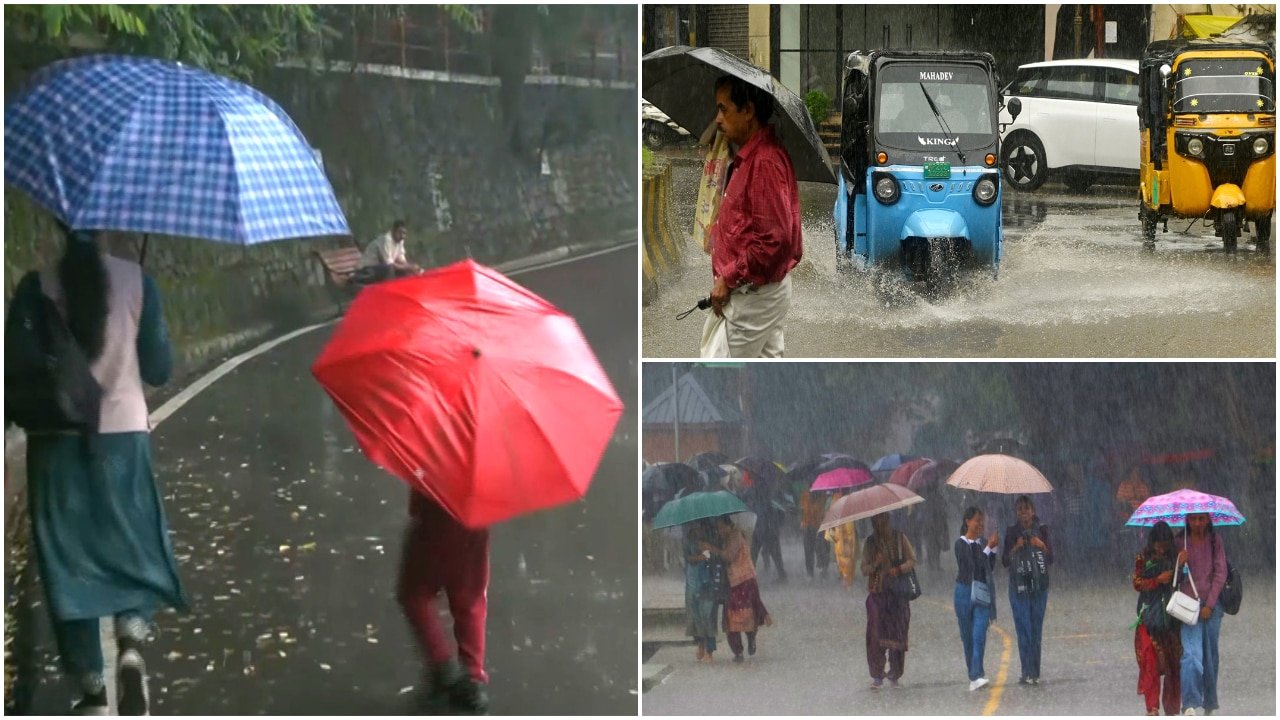
As the monsoon season sets in, agricultural regions and urban centers alike experience a dramatic shift in atmospheric conditions. High humidity levels, coupled with fluctuating temperatures, create a unique set of challenges for skin health. For those working in the field—whether managing crops or overseeing agricultural operations—the skin is frequently exposed to moisture-laden air, perspiration, and environmental pollutants. In this climate, maintaining a balanced skin barrier is essential to prevent common issues such as fungal growth, breakouts, and excessive sebum production.
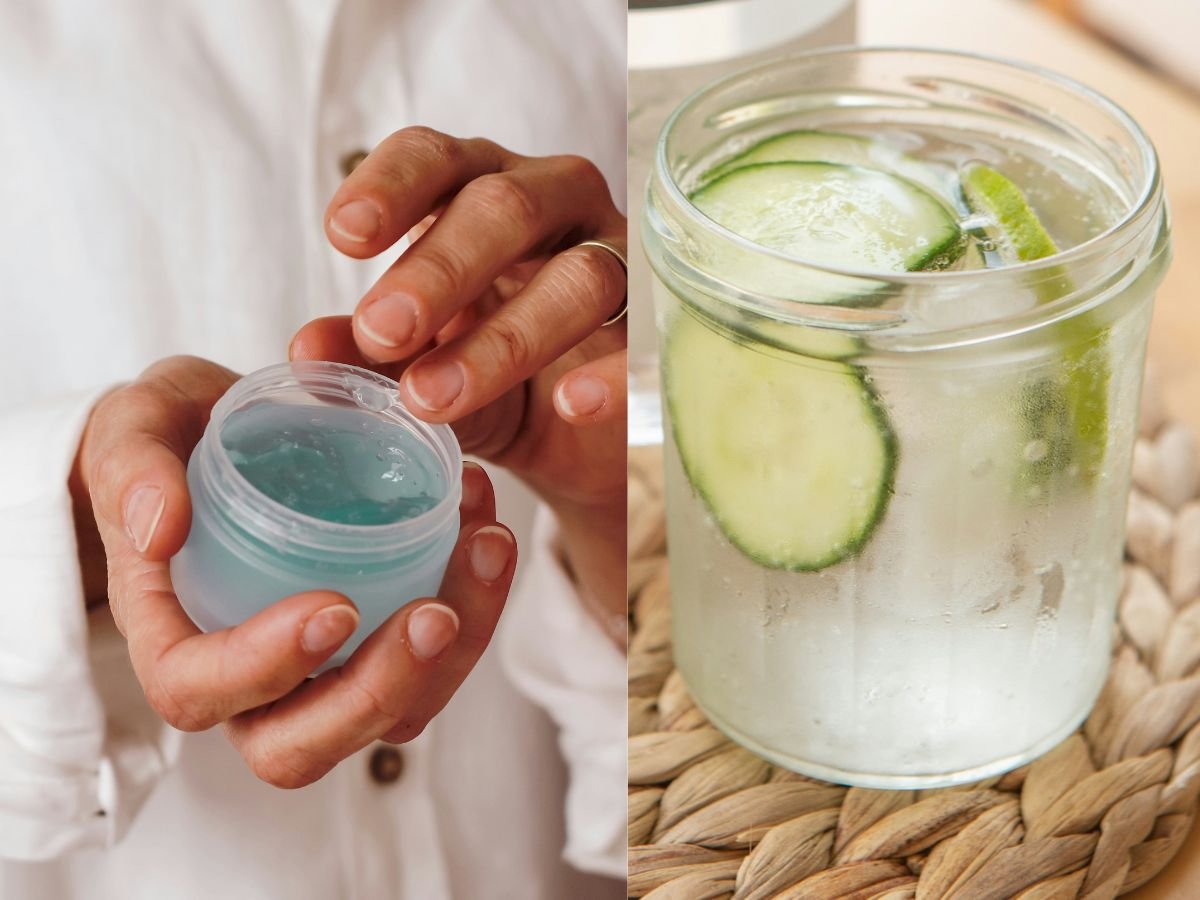
Two botanical powerhouses—aloe vera and cucumber gel—have long been staples in natural skincare, prized for their ability to provide hydration without the heaviness of traditional oils or creams. While both are cooling and refreshing, they possess distinct chemical compositions that make them suitable for different skin concerns during the damp monsoon months. Understanding the functional differences between these two extracts is key to building an effective seasonal skincare regimen.
The Regenerative Power of Aloe Vera
Aloe vera (Aloe barbadensis miller) is widely recognized for its dense concentration of polysaccharides, vitamins, and amino acids. During the monsoon, when the skin is prone to irritation from humidity-induced friction or minor environmental abrasions, aloe vera acts as a potent soothing agent. Its primary strength lies in its ability to facilitate tissue repair and provide a protective, non-comedogenic barrier.
Because aloe vera contains naturally occurring salicylic acid and anti-inflammatory compounds, it is particularly effective for skin that is prone to acne or heat-related rashes. During periods of high humidity, the skin’s pores can become congested; aloe vera’s lightweight, water-based structure allows it to penetrate the epidermis quickly without leaving a greasy residue. This makes it an ideal choice for individuals dealing with active breakouts or skin that feels inflamed due to prolonged exposure to damp conditions.
The Cooling and Astringent Properties of Cucumber
While aloe vera focuses on repair and hydration, cucumber gel is defined by its astringent properties and high water content. Cucumbers are rich in antioxidants, including Vitamin C and caffeic acid, which help reduce swelling and irritation. In the context of monsoon-related skincare, cucumber gel is best utilized for its ability to tighten pores and provide an immediate cooling effect on skin that has been overheated by muggy, stagnant air.
Cucumber gel is generally lighter than aloe vera, acting more as a toner-replacement for oily or combination skin. Its mild astringent nature helps to regulate excess oil production, which often spikes when the air is thick with moisture. For those who find that their skin feels "heavy" or overly congested by midday, a cucumber-based gel offers a refreshing, tightening sensation that helps to keep the skin feeling clean and matte without stripping away essential moisture.
What This Means for Farmers
For individuals working in agricultural environments, the monsoon season presents specific dermatological risks. Increased exposure to soil, organic matter, and humidity increases the likelihood of contact dermatitis and fungal infections. Choosing the right gel is not merely a matter of aesthetics; it is a matter of maintaining a healthy skin barrier that acts as a primary defense against environmental pathogens.
- Prioritize Aloe Vera for Repair: If your work involves manual labor that leads to frequent skin abrasions, insect bites, or heat rashes, prioritize the use of aloe vera gel. Apply it in the evening to allow its regenerative properties to support skin barrier recovery overnight.
- Utilize Cucumber for Daily Maintenance: If your primary challenge is excessive perspiration and oiliness during the workday, cucumber gel is your best ally. Its cooling effect can help mitigate the discomfort of working in humid fields, and its astringent qualities help prevent the pore-clogging that leads to monsoon-season breakouts.
- Monitor for Sensitivity: Regardless of the product chosen, always perform a patch test on a small area of skin before widespread application. Ensure that the gels used are free from artificial fragrances or heavy dyes, as these can react negatively with the skin when it is already sensitized by high humidity.
- Consistency is Key: In the agricultural sector, where long hours are spent outdoors, dermatological health is often neglected until a problem arises. Integrating a simple, lightweight gel application into your morning and evening routine can prevent long-term skin damage and keep the skin resilient against the challenges of the monsoon climate.