Monsoon Receives Fresh Boost as New Bay of Bengal System Approaches
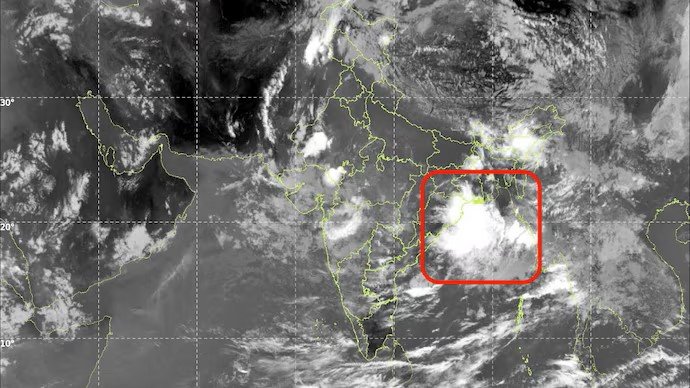
The Indian monsoon season, a critical determinant of the nation’s agricultural productivity and economic stability, is entering a phase of renewed vigor. After a sluggish start to August characterized by uneven distribution and localized dry spells, meteorological indicators suggest a significant shift. A developing low-pressure system over the Bay of Bengal is poised to invigorate monsoon currents, promising to bridge the precipitation gap that has emerged during the first ten days of the month.
Data from the India Meteorological Department (IMD) highlights the urgency of this transition. Between August 1 and August 10, the country recorded 81.6 mm of rainfall against a long-period average of 89.8 mm. While this deficit may appear marginal on a national scale, its regional implications are profound. Many agrarian heartlands have faced moisture stress during the critical vegetative growth phase of Kharif crops, necessitating a robust recovery in rainfall to ensure yield potential is not compromised.
Atmospheric Dynamics and the Role of the Bay of Bengal
The monsoon’s performance is heavily reliant on the formation of synoptic systems—specifically low-pressure areas—over the Bay of Bengal. These systems serve as the primary engines driving moisture-laden winds across the Indian subcontinent. When these systems are absent or track too far north toward the Himalayan foothills, the central and peninsular regions often experience "break monsoon" conditions, leading to persistent dry weather.
Meteorologists are closely monitoring the current cyclonic circulation, which is expected to intensify as it moves inland. The movement of this system is critical; if it follows a path across the central Indian landmass, it will likely distribute rainfall across key states that have been grappling with deficits. The interaction between this low-pressure system and existing offshore troughs is expected to enhance wind speeds, effectively drawing moisture from the Arabian Sea as well, thereby creating a synergistic effect that could normalize rainfall patterns across the western and central zones.
Addressing the Kharif Crop Vulnerability
The timing of this weather shift is fortuitous for the agricultural sector. The Kharif season, which includes staples such as paddy, pulses, oilseeds, and cotton, is currently in a stage where water requirements are escalating. Prolonged moisture stress during the mid-season growth phase can lead to stunted development, increased susceptibility to pest infestations, and ultimately, reduced grain filling.
While the overall national reservoir levels have remained relatively healthy due to early-season rainfall, the lack of consistent precipitation in the first week of August had begun to cause concern regarding soil moisture content. The expected influx of rain is critical to replenishing the topsoil, which is essential for nutrient uptake and the effective application of fertilizers. Furthermore, consistent rainfall in the coming fortnight will be vital for the recharge of groundwater, a secondary but equally important water source for farmers relying on irrigation systems.
What This Means for Farmers
For the farming community, the approaching weather system signals a need for both preparedness and strategic management. While the increased rainfall is largely beneficial, farmers must remain vigilant against the risks associated with sudden, high-intensity precipitation following a dry spell.
- Moisture Management: Ensure that field drainage channels are clear. Rapid accumulation of water in low-lying areas can lead to waterlogging, which is detrimental to crops such as cotton and pulses that are sensitive to "wet feet."
- Fertilizer Application: Exercise caution with top-dressing fertilizers. If heavy rainfall is forecast, delay the application of nitrogenous fertilizers to prevent nutrient leaching, which not only wastes inputs but can also contribute to water runoff issues.
- Pest and Disease Monitoring: Increased humidity and standing water create ideal conditions for fungal pathogens and certain insect populations. Farmers should increase the frequency of field scouting to detect early signs of blight, rust, or pest outbreaks that often follow a transition from dry to wet weather.
- Weed Control: The combination of residual warmth and new moisture will trigger a flush of weed growth. Timely weeding is essential to ensure that crops do not have to compete for nutrients and sunlight during this accelerated growth window.
- Strategic Irrigation: Use the anticipated rainfall to reduce reliance on electric or diesel-powered irrigation. This is an opportune time to focus resources on other farm maintenance tasks while the climate provides the necessary hydration for the crops.
Ultimately, while the monsoon remains a dynamic and often unpredictable force, the arrival of this new system provides a necessary buffer for the agricultural economy. By aligning field activities with these meteorological developments, farmers can better safeguard their investments and work toward a successful harvest.