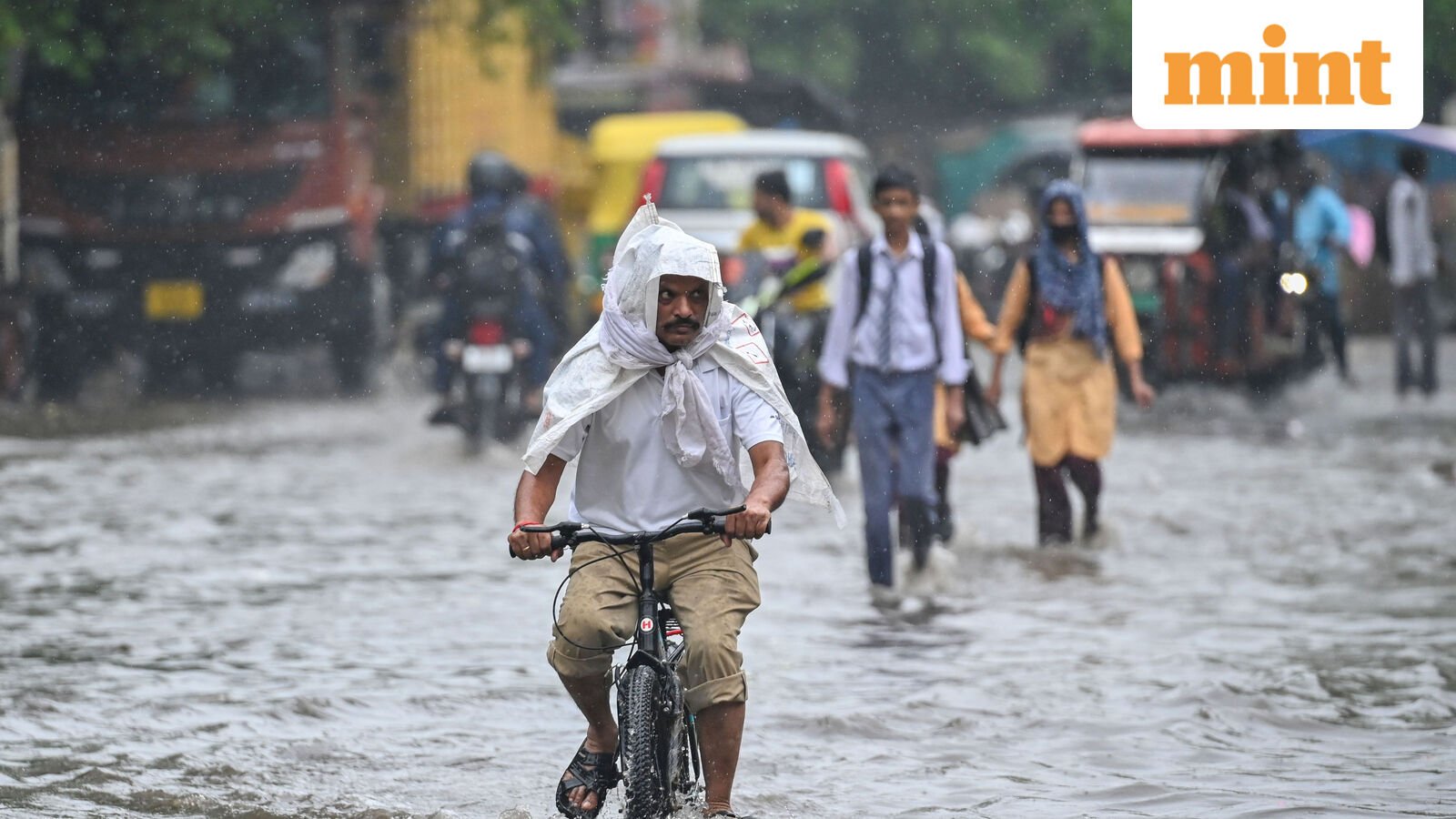
Monsoon Surge Expected as Depression Forms Over Jharkhand
The Indian monsoon, a critical driver of the nation’s agricultural economy, is entering a period of heightened activity as a low-pressure system intensifies into a depression over the state of Jharkhand. Meteorological agencies have flagged this development as a significant shift in the seasonal pattern, with expectations of widespread, heavy rainfall across eastern, central, and northern regions. This shift marks a transition from a period of relative stabilization to a phase of intense precipitation that is set to impact everything from soil moisture levels to logistical operations in rural corridors.
The depression, currently situated over Jharkhand, is projected to track westward, drawing moisture-laden winds from the Bay of Bengal. As this system moves, it is expected to dump substantial rainfall across the central Indian plains, providing a much-needed replenishment for water reservoirs. Simultaneously, the interaction between this system and the Western Disturbance is forecasted to bring prolonged heavy rainfall to the Himalayan belt. For the agricultural sector, this weather pattern presents a complex landscape of both replenishment and risk, necessitating proactive management by farming communities across the affected states.
The Mechanics of the Weather System and Regional Impacts
The formation of a depression over eastern India acts as a catalyst for a surge in monsoon winds. By creating a localized area of low pressure, the system effectively "pulls" the monsoon trough toward the central parts of the country. This movement ensures that areas that may have experienced a temporary lull in rainfall will soon see a rapid accumulation of water. The topography of the central Indian plateau often amplifies these effects, as moisture-heavy clouds interact with the elevated terrain, leading to sustained precipitation events.
Meanwhile, the Western Himalayan region is bracing for a week-long bout of heavy rainfall. This is largely attributed to the strengthening of the monsoon's northerly reach, combined with topographical forcing in the mountain ranges. While this precipitation is vital for the recharge of perennial river systems that feed the northern plains, the intensity of the downpours carries an inherent risk of flash flooding and soil erosion in sloping terrains. Agricultural experts are closely monitoring the movement of this system, as the timing of these rains coincides with critical growth stages for various Kharif crops.
Managing Soil Health and Crop Safety During Intense Rainfall
The primary concern for agronomists during such intense monsoon spells is the management of waterlogged fields and the prevention of nutrient leaching. Excessive rainfall in a short span of time can lead to the saturation of the root zone, effectively suffocating plants by restricting oxygen availability. Furthermore, the rapid runoff can strip the topsoil of essential nitrogen and phosphorous, which are vital for the vegetative growth phase of crops such as paddy and pulses.
In regions where the soil is already saturated, the risk of fungal and bacterial infections increases significantly. High humidity levels, coupled with standing water, create a perfect environment for pathogens that cause blight, rot, and leaf-spot diseases. Farmers in eastern and central India are advised to ensure that field drainage channels are clear and operational. Where possible, the application of supplemental nutrients should be delayed until the intensity of the rainfall subsides to ensure maximum uptake and minimize waste due to runoff.
What This Means for Farmers
The intensification of the monsoon brings both opportunities and significant operational challenges for the farming community. To navigate the coming week, farmers should consider the following practical steps:
- Prioritize Drainage: Ensure that all field drains are free of debris to prevent water stagnation. In low-lying areas, managing the depth of standing water in paddy fields is crucial to prevent root rot.
- Monitor for Pests and Disease: High humidity and heavy rains are precursors to disease outbreaks. Regularly scout fields for early signs of fungal infections and be prepared to deploy preventative treatments as soon as the weather permits.
- Postpone Fertilizer Applications: If a heavy downpour is imminent, avoid top-dressing fertilizers. Nutrients applied just before heavy rain are likely to be washed away, resulting in economic loss and environmental impact.
- Protect Harvested Produce: For farmers in regions where early-maturing crops are being harvested, secure all produce in moisture-proof storage facilities. Market logistics may also face disruptions; stay informed regarding local road conditions and transport availability.
- Livestock Management: Ensure that livestock are moved to higher, dry ground. High-intensity rainfall can lead to contaminated water sources and increased incidence of foot-rot and respiratory issues among cattle and small ruminants.
By staying vigilant and adapting field management practices to the current meteorological forecast, farmers can mitigate the risks associated with this intense monsoon phase while capturing the benefits of the much-needed soil moisture replenishment.