Widespread Monsoon Alert: IMD Issues Heavy Rain Warnings Across 18 Indian States
The India Meteorological Department (IMD) has sounded a high-alert warning as the southwest monsoon enters a phase of intensified activity, impacting 18 states across the country. The latest weather bulletins indicate a significant uptick in precipitation levels, with severe weather systems expected to sweep across the northern, northwestern, and eastern corridors of India. Regional hubs, including Delhi, Noida, Gurugram, and the agricultural heartlands of Haryana, Punjab, Uttar Pradesh, Bihar, and Rajasthan, are bracing for heavy to very heavy rainfall over the coming days.
The current meteorological setup is being driven by a combination of moisture-laden winds from both the Arabian Sea and the Bay of Bengal, which are converging over the northern plains. This atmospheric interaction has created a favorable environment for sustained downpours, leading the IMD to issue "Yellow" and "Orange" alerts in various districts. Authorities are urging residents and stakeholders in the agricultural sector to remain vigilant as the monsoon trough shifts, potentially bringing localized flooding and significant water accumulation in low-lying areas.
Meteorological Dynamics and Geographic Impact
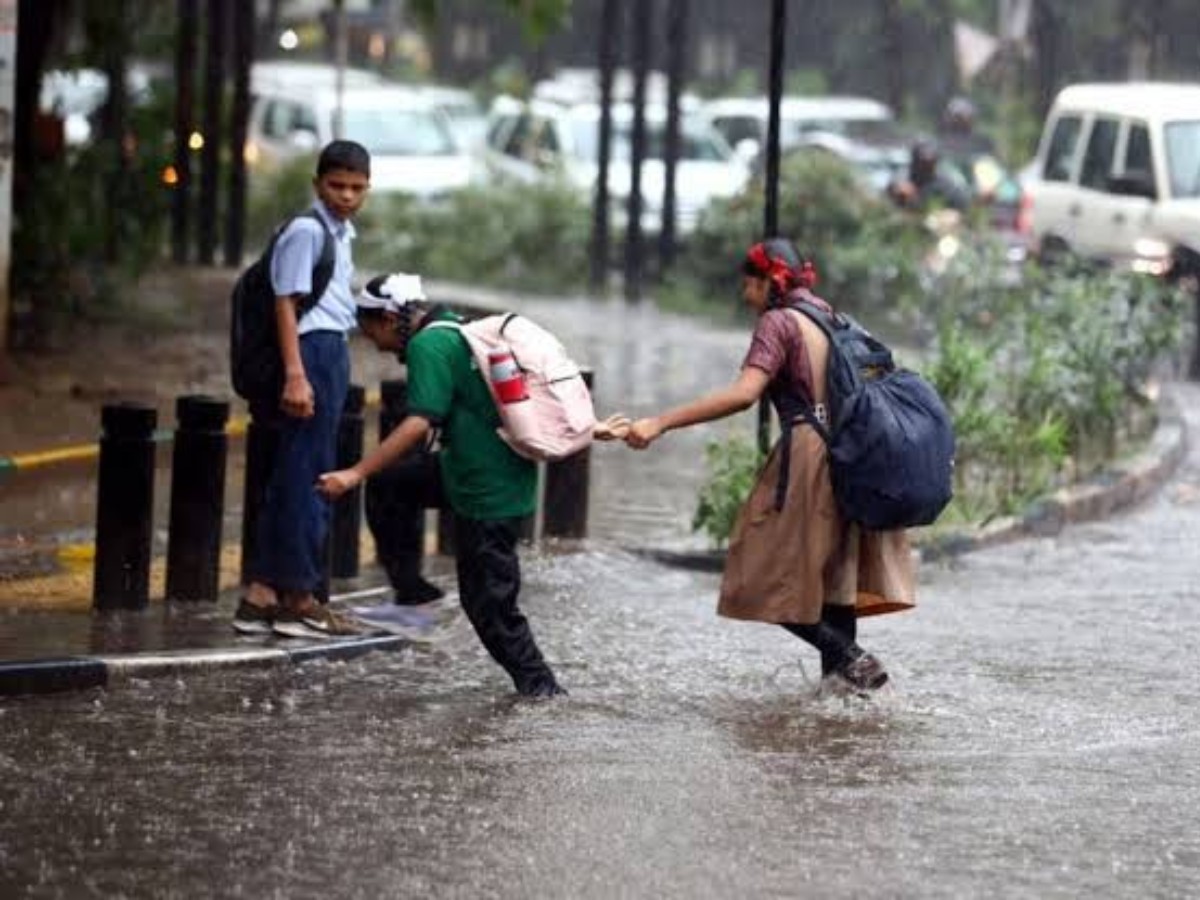
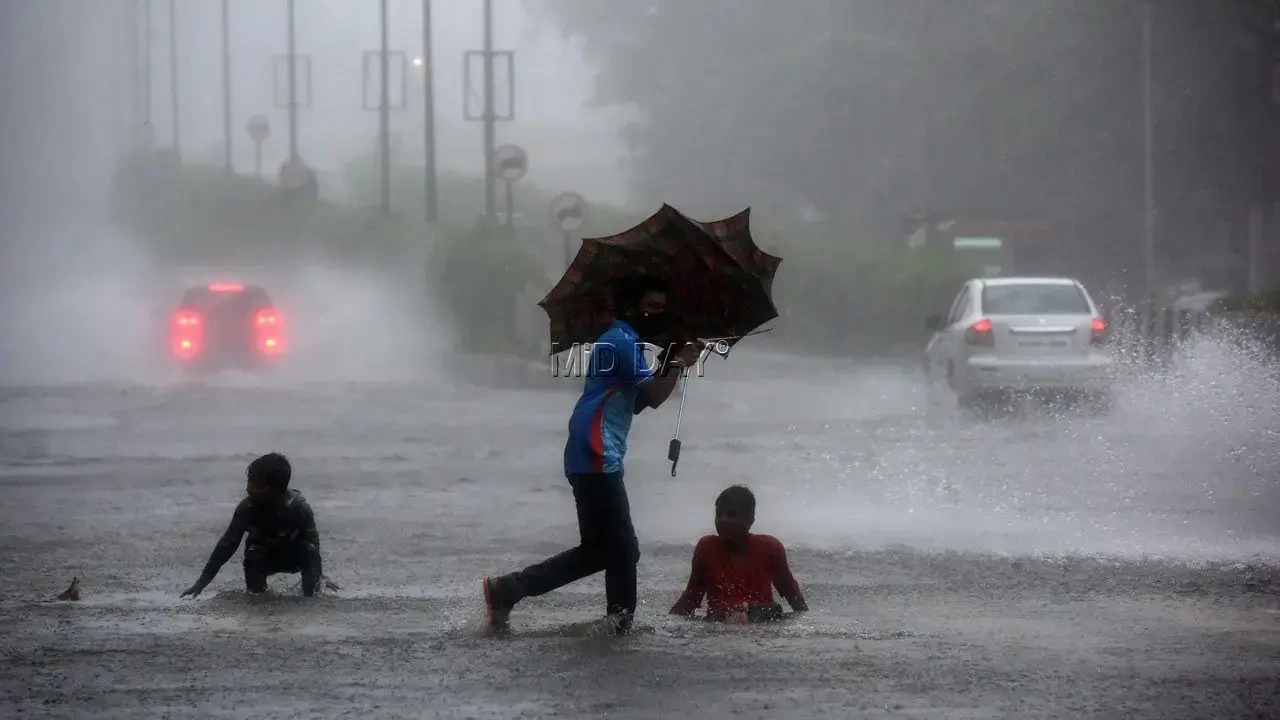
The intensity of the current monsoon phase is particularly notable for its broad geographic reach. In the northwestern region, the monsoon trough is currently oscillating near its normal position, pulling in moisture that is expected to trigger heavy rainfall across Punjab, Haryana, and the National Capital Region (NCR). For cities like Delhi, Gurugram, and Noida, the forecast suggests that intermittent heavy spells could lead to traffic disruptions and urban waterlogging, necessitating proactive management from local municipal bodies.
Moving eastward, the impact is expected to be equally significant. States such as Uttar Pradesh and Bihar are currently dealing with fluctuating rainfall patterns, but the latest forecast suggests a period of more consistent and heavy precipitation. This is critical for these regions, as they rely heavily on monsoon rains for their primary Kharif crops. While the rainfall is necessary for replenishing groundwater and surface reservoirs, the IMD has warned of the risks associated with extreme weather events, including flash floods in riverine areas and potential damage to standing crops if the rainfall intensity exceeds drainage capacity.
Rajasthan, a state characterized by its arid and semi-arid landscape, is also expected to receive substantial rainfall. This is a welcome development for the state’s agricultural sector, though it brings the added responsibility of managing sudden surges in water levels in regions that are typically water-scarce. The IMD’s real-time monitoring remains focused on these pockets, providing updates to local administrations to ensure disaster mitigation strategies are in place.
What This Means for Farmers
For the farming community, this heavy rain alert brings a complex mix of relief and concern. The immediate impact is the replenishment of soil moisture, which is essential for the growth of Kharif crops currently in the field, such as paddy, pulses, and oilseeds. Adequate rainfall at this juncture can significantly improve yield prospects and reduce the cost of irrigation.
However, farmers must be prepared to manage the risks associated with excessive moisture. The agricultural implications include:
- Field Drainage Management: Farmers should ensure that drainage channels in paddy fields are clear. Standing water for prolonged periods can lead to root rot and nutrient leaching, which can negatively impact crop health.
- Pest and Disease Monitoring: High humidity and increased rainfall are prime conditions for the proliferation of fungal infections and pest attacks. It is advisable to monitor crops closely for early signs of blight or infestations and consult with local agricultural extension officers regarding the timing of any necessary prophylactic treatments.
- Harvesting Precautions: For farmers in areas where early-maturing crops are near the harvest stage, the heavy rain poses a risk of lodging—where crops fall over due to wind or weight of water. Where possible, ensuring that the field is not waterlogged is essential to prevent grain quality deterioration.
- Input Application: It is highly recommended to defer the application of fertilizers and pesticides until after the heavy rainfall subsides. Applying these inputs during heavy rain results in significant runoff, leading to wastage and potential environmental contamination.
The IMD’s forecast serves as a critical tool for planning. Farmers are encouraged to stay updated with the latest bulletins via the IMD’s regional centers or their local district agricultural offices to make informed decisions regarding field operations during this active monsoon phase.