Monsoon Extremes: Widespread Devastation Across Gujarat and Assam
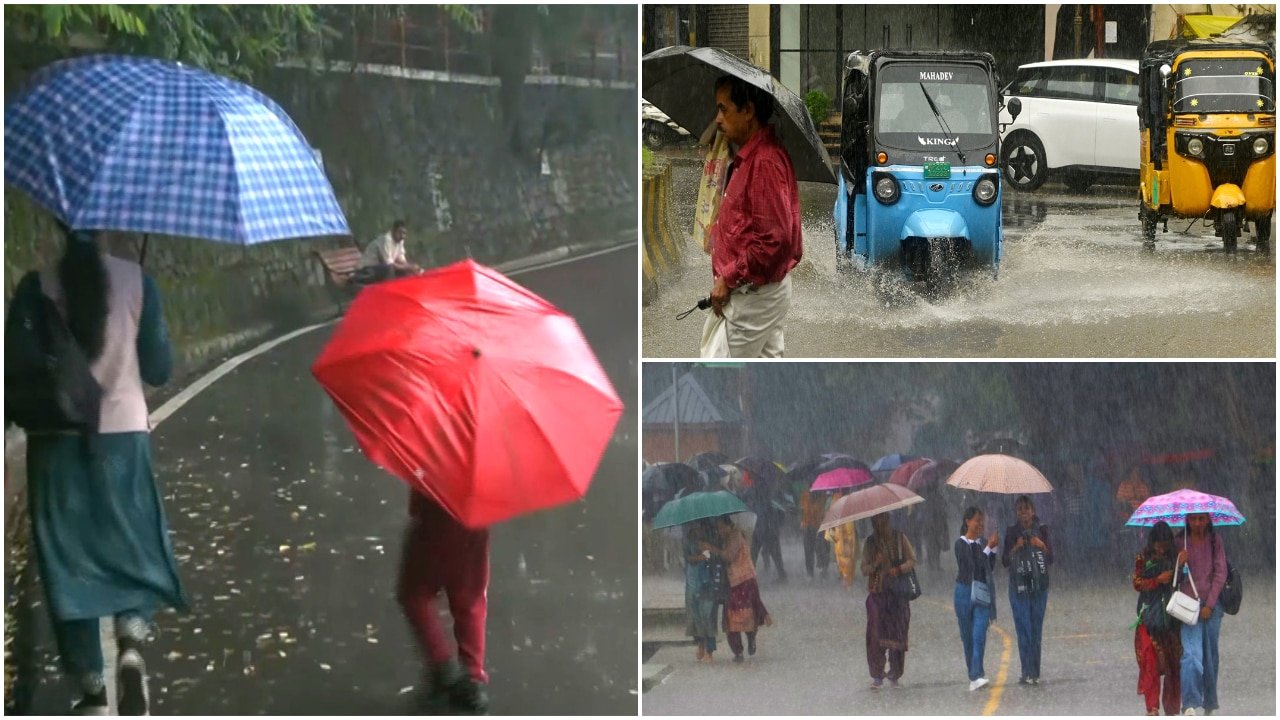
The Indian monsoon season has reached a critical juncture as two geographically distinct regions face catastrophic weather events. In the western state of Gujarat, the Saurashtra region has been placed under a high-level red alert following incessant rainfall that has triggered widespread inundation. Simultaneously, the northeastern state of Assam continues to battle a relentless flood crisis, with official reports confirming the death toll has climbed to 61. These back-to-back climate disasters underscore the growing volatility of the monsoon cycle and the mounting challenges faced by agricultural communities across the subcontinent.
Saurashtra Under Siege: Infrastructure and Agricultural Vulnerability
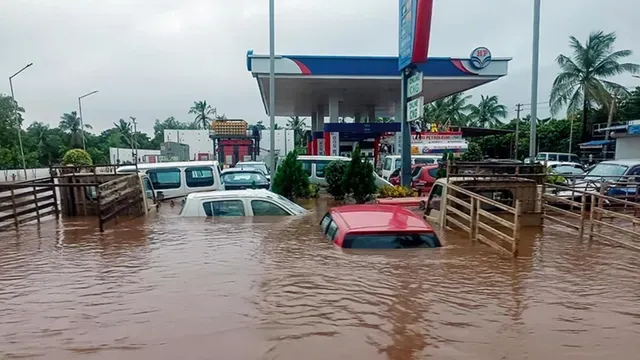
The situation in Gujarat has deteriorated rapidly over the past 48 hours. Meteorological departments have issued red alerts across several districts in the Saurashtra region, warning of extremely heavy rainfall that threatens to paralyze both urban centers and rural hinterlands. The excessive precipitation has led to the overflowing of major reservoirs and the breach of local water bodies, submerging vast swathes of low-lying agricultural land.
For the farming community, the timing of these rains is particularly punishing. Many fields in the region were in the critical stages of early-season development. The sudden influx of water has not only caused immediate physical damage to standing crops but has also led to severe soil erosion and the leaching of essential nutrients. Furthermore, the persistent waterlogging creates an environment conducive to fungal pathogens and root rot, which can significantly diminish yields even after the floodwaters recede. Local authorities are currently prioritizing emergency evacuations and the restoration of critical infrastructure, yet the long-term impact on the region’s agrarian productivity remains a primary concern for state planners.
Assam’s Perpetual Struggle: A Mounting Humanitarian and Agrarian Crisis
While Gujarat faces a sudden surge of monsoon fury, Assam is grappling with the cumulative impact of an extended flood season. The death toll in the state has reached 61, marking a somber milestone in what has become a recurring annual tragedy. The Brahmaputra River and its tributaries continue to flow well above the danger mark, breaching embankments and inundating thousands of hectares of fertile land.
In Assam, the flood crisis is synonymous with the loss of livelihoods. The state’s reliance on wet-land rice cultivation makes it uniquely vulnerable to the timing and intensity of the monsoon. When fields remain submerged for weeks on end, the entire agricultural cycle—from sowing to harvesting—is disrupted. The destruction of stored grain and the loss of livestock have further compounded the economic misery of smallholder farmers. Despite the deployment of disaster management teams and the establishment of relief camps, the logistical challenges of reaching isolated, water-locked villages remain immense. The agricultural sector in Assam now faces the daunting task of assessing crop viability once the floodwaters finally retreat, with many farmers anticipating a total loss of their seasonal output.
What This Means for Farmers
For farmers operating in flood-prone or high-risk zones, these events serve as a sobering reminder of the need for climate-resilient agricultural strategies. The immediate and long-term economic consequences are significant, necessitating a shift in how rural communities manage risk.
- Crop Insurance and Documentation: Farmers are urged to prioritize the documentation of crop damage. Detailed photographic evidence and immediate communication with district agricultural officers are vital for processing insurance claims and accessing government relief packages.
- Soil Health Management: Once water recedes, soil testing becomes essential. Flooding often alters soil pH and depletes nitrogen levels. Applying a balanced fertilizer regimen based on post-flood soil analysis can help mitigate yield losses in subsequent planting cycles.
- Livestock Safety: The loss of livestock is a major economic blow. Farmers should ensure that emergency shelter plans include elevated areas for cattle and poultry, along with a strategic stockpile of dry fodder to prevent malnutrition during periods of isolation.
- Diversification and Resilience: The increasing frequency of these "monsoon mayhem" events suggests that traditional cropping patterns may no longer be sustainable. Farmers should consult with local extension services to explore flood-tolerant crop varieties and consider diversifying into horticulture or aquaculture, which may offer more resilience against water-heavy seasons.
- Early Warning Systems: While large-scale infrastructure is beyond individual control, farmers must remain vigilant regarding meteorological alerts. Subscribing to district-level SMS or app-based weather warnings can provide the crucial lead time needed to move equipment and livestock to safer ground.
As the monsoon continues to track across the country, the primary focus for the agricultural sector must remain on safety, damage assessment, and the eventual implementation of recovery strategies that prioritize long-term resilience over short-term gains.