Monsoon Crisis Escalates: Assam Flood Toll Hits 61 as Alert Levels Surge Nationwide
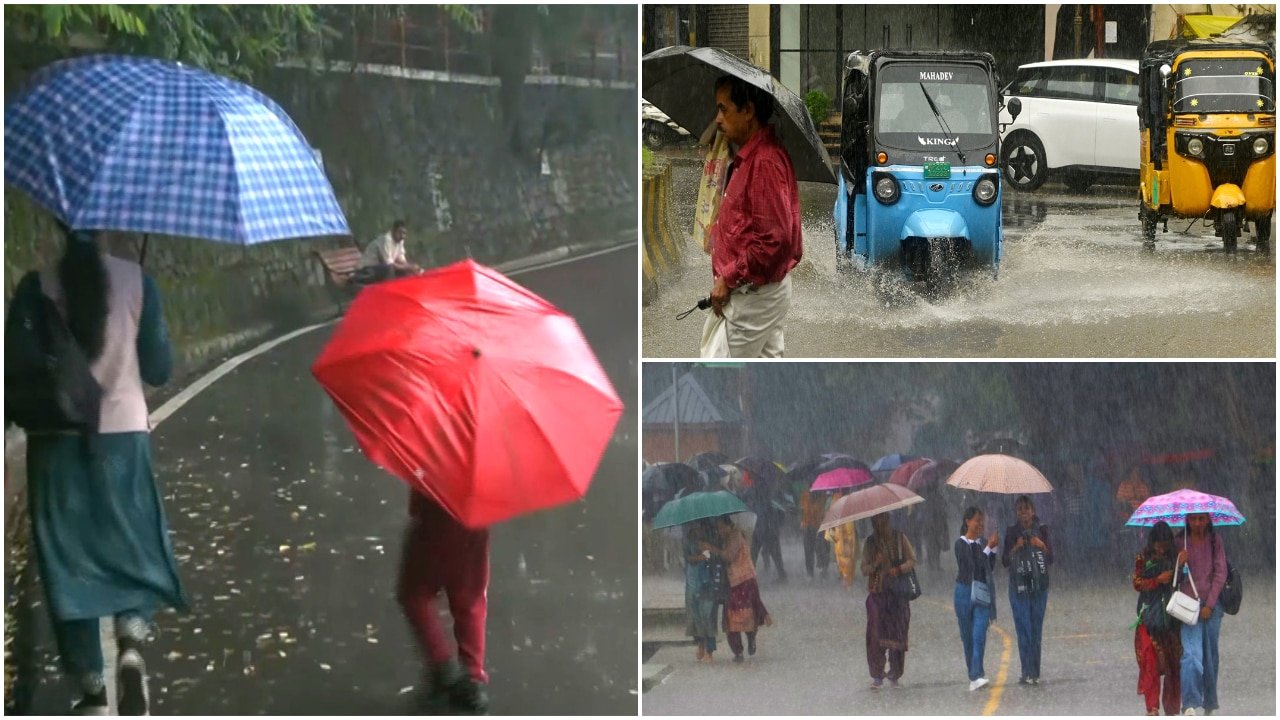
The monsoon season has taken a harrowing turn across India, with the state of Assam grappling with a worsening humanitarian and agricultural crisis. Recent reports confirm that the death toll in the flood-ravaged state has climbed to 61, while the number of displaced and impacted residents has surpassed 7 lakh. As the southwest monsoon continues its erratic and intense progression, the India Meteorological Department (IMD) has escalated its warnings, issuing red alerts for heavy rainfall across several states and flagging high-risk flash flood zones in the northern reaches of Jammu and Kashmir.
The Devastation in Assam: A Region Under Siege
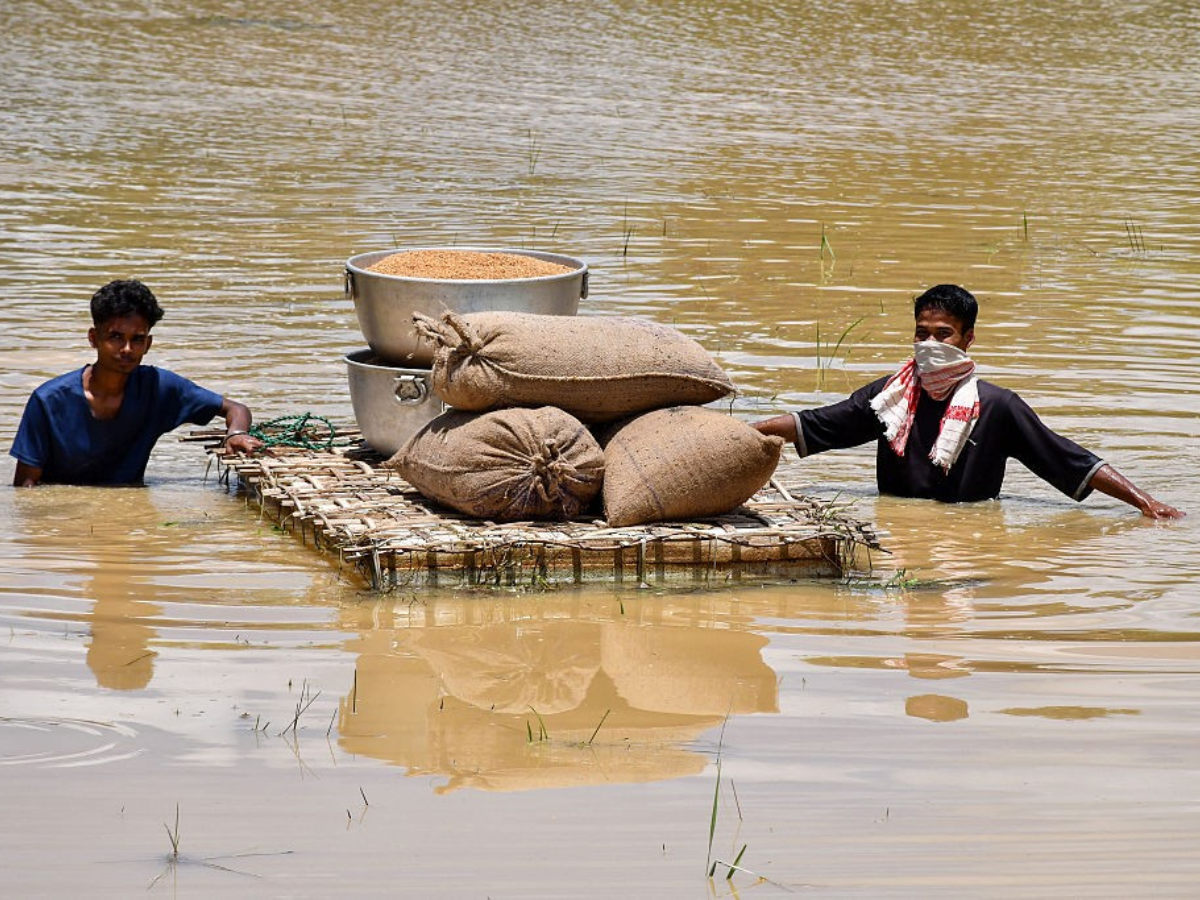
Assam remains the epicenter of the current monsoon disaster. The relentless downpours have triggered widespread breaches of river embankments, leading to the inundation of vast tracts of fertile farmland and residential clusters. The scale of the displacement is significant, with over 7 lakh people currently struggling to access basic necessities, clean water, and medical aid. For the agricultural sector, the timing of these floods is particularly devastating, as the deluge has submerged standing crops and destroyed vital infrastructure, including rural access roads and grain storage facilities.
Local authorities are working in tandem with disaster response teams to manage the evacuation of marooned populations, but the sheer volume of water—compounded by the rising levels of the Brahmaputra and its tributaries—has severely hampered rescue efforts. The loss of livestock and the destruction of stored fodder represent secondary economic shocks that will likely be felt by the region’s farming communities for several seasons to come.
Northern Vulnerability: Flash Flood Risks in Jammu and Kashmir
While the focus remains on the tragedy in the northeast, the IMD’s latest bulletins indicate an intensifying threat profile for the northern territories. Jammu and Kashmir, characterized by its complex mountainous topography, is now under high alert for flash floods and landslides. The combination of heavy precipitation and the state’s sensitive terrain creates a recipe for rapid runoff, which can be catastrophic for valley-based farming communities and orchards.
The meteorological department has warned that the current weather pattern is likely to persist, bringing moisture-laden winds that trigger cloudbursts in high-altitude areas. This puts irrigation systems, hillside terracing, and perennial horticultural crops at immediate risk. Regional disaster management cells have been placed on standby, with advice issued to residents to avoid low-lying areas and riverbanks as water levels in streams and reservoirs are expected to rise rapidly over the coming days.
What This Means for Farmers
The current monsoon volatility presents a multifaceted challenge for the agricultural community. Farmers in affected and high-risk regions should consider the following impacts and strategic responses:
- Crop Loss Mitigation: For those in regions currently experiencing flooding, the priority remains the safety of human life and livestock. Once water recedes, farmers must assess fields for soil erosion and contamination. Avoid harvesting submerged or water-logged produce for immediate human consumption, as it may be compromised by waterborne pathogens.
- Infrastructure Maintenance: For farmers in areas under high-alert warnings, check drainage channels and ensure that irrigation outlets are free of debris. If possible, relocate stored seeds, fertilizers, and equipment to higher, dry ground to prevent irreversible water damage.
- Livestock Safety: Ensure that cattle and small ruminants are moved to elevated shelters equipped with dry bedding. The risk of foot rot and other water-borne diseases increases significantly during flood events; monitor animal health closely and consult with local veterinary extension officers for prophylactic treatments.
- Economic Planning: The loss of standing crops will inevitably impact local supply chains and market prices. Farmers should maintain thorough documentation of damage—including photographic evidence—to facilitate potential insurance claims or government relief assistance, which often requires strict adherence to reporting protocols.
- Long-term Resilience: This monsoon serves as a reminder of the increasing unpredictability of climate patterns. Moving forward, investing in flood-resistant crop varieties and diversifying farm income streams may provide a necessary buffer against the growing frequency of extreme weather events.