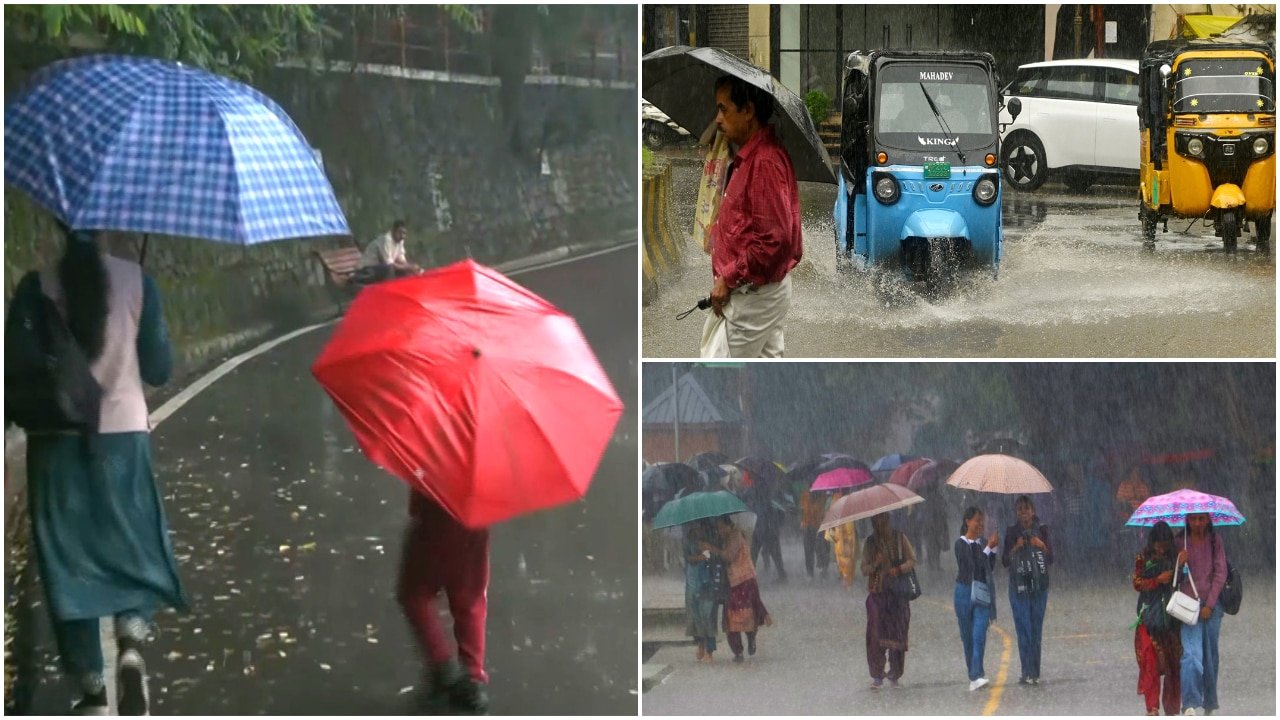
The progress of the monsoon across India is currently facing a significant challenge, according to a report by India Today. Meteorological conditions have shifted, with the intrusion of dry air originating from Pakistan expected to disrupt and slow down the advancement of rainfall across the country.
Impact of Dry Air on Monsoon Progression
The primary concern highlighted by the report is the interaction between typical monsoon patterns and external atmospheric influences. The arrival of dry air from the direction of Pakistan is identified as a critical factor that acts as a barrier to the moisture-laden winds that usually drive the monsoon season.
When dry air masses encounter the humid, moisture-heavy currents of the monsoon, they tend to reduce the overall humidity levels in the atmosphere. This process can inhibit the formation of rain-bearing clouds, leading to a deceleration in the seasonal rainfall that is essential for various regions in India.
Understanding the Monsoon Slowdown
The monsoon is a complex weather system that relies on a consistent supply of moisture from the oceans to maintain its strength as it travels over the subcontinent. The report indicates that the current atmospheric dynamics are creating a hurdle for this steady movement.
- Moisture Disruption: The influx of dry air alters the thermodynamic profile of the atmosphere, making it less conducive to precipitation.
- Geographic Influence: The proximity of the dry air currents from the western border regions of Pakistan directly impacts the flow of winds moving toward the Indian mainland.
- Rainfall Intensity: As the system slows down, the expected intensity and spread of the monsoon showers may be affected, leading to a potential reduction in rainfall during the period of this atmospheric interference.
What This Means for Regional Weather
While the monsoon is a national phenomenon, its progression is often measured by its reach into different states and territories. The report suggests that this specific meteorological event—the intrusion of dry air—is causing a temporary stagnation or slowing of the seasonal rain cycle. This development is significant for those monitoring the weather, as the monsoon's timing is a key determinant for environmental and water-related conditions across the country.
Because the monsoon relies on specific wind patterns to push moisture inland, any external force that disrupts these wind currents can have a cascading effect on how far and how quickly the rain travels. According to India Today, the current situation serves as a reminder of how sensitive the monsoon system is to shifting air masses and regional atmospheric changes.
As the situation continues to evolve, meteorologists and observers are monitoring whether the influence of this dry air will dissipate or if it will continue to impact the pace of the monsoon in the coming days. The report emphasizes that the interaction between these dry currents and the monsoon is the central cause for the current concern regarding rainfall distribution.