Monsoon Resurgence: Bay of Bengal Low-Pressure System Brings Hope Amid Persistent Deficits
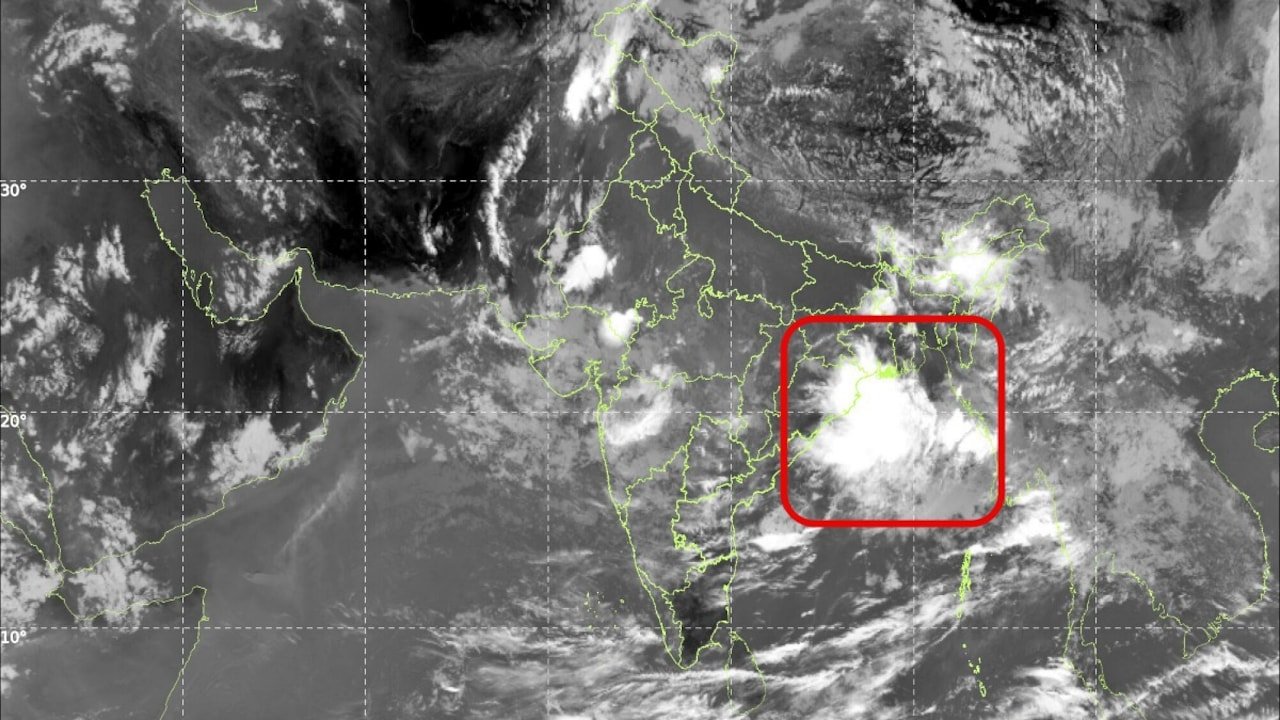
The seasonal monsoon, which serves as the lifeblood for the nation’s agricultural sector, has received a critical injection of energy following the formation of a low-pressure area over the Bay of Bengal. This meteorological development is expected to rejuvenate precipitation patterns across core agrarian regions, offering a much-needed reprieve for farmers grappling with prolonged dry spells. However, while the system promises to bolster soil moisture levels, meteorologists caution that it may not be sufficient to fully erase the significant rainfall deficit that has accumulated over the preceding weeks.
The monsoon trajectory, which had shown signs of sluggishness and erratic distribution, is now shifting toward a more active phase. The movement of this weather system is set to bring widespread rainfall to central and northern parts of the country, potentially stabilizing water levels in reservoirs and improving the prospects for late-season crop development. While the arrival of this system is a positive indicator for short-term moisture availability, it highlights the increasing volatility of seasonal weather patterns that farmers must navigate in an era of climatic unpredictability.
The Mechanics of the Current Monsoon Shift
The current atmospheric configuration is being driven by a cyclonic circulation over the Bay of Bengal, which is gradually organizing into a low-pressure area. This system is acting as a catalyst, pulling moisture-laden winds across the interior landmass and reviving the dormant monsoon troughs. Such systems are essential for the healthy progression of the season, as they provide the sustained, widespread rainfall required to penetrate deep into the soil profile—far more effectively than the localized, high-intensity thunderstorms that have characterized the early season.
Despite this influx of moisture, the broader climatic picture remains complex. The season has been defined by significant geographic disparities, where some regions have witnessed excessive flooding while others have endured severe moisture stress. The current system is expected to provide some relief to those deficit areas, but the cumulative rainfall gap remains a concern. The efficiency of this moisture delivery will depend heavily on the path the system takes as it moves inland; a steady, slow-moving trajectory would be ideal for recharging groundwater and supporting standing crops, whereas a rapid transit could lead to localized flooding without addressing the broader regional deficit.
Agronomic Implications for the Current Season
For the agricultural community, the timing of this monsoon resurgence is critical. Many crops are currently in sensitive growth stages—ranging from vegetative development to early flowering—where water stress can lead to irreversible yield losses. The arrival of these rains is expected to stabilize the health of these crops, particularly in rain-fed regions where irrigation infrastructure is limited. By reducing the heat stress on plants and replenishing topsoil moisture, the rainfall will allow for better nutrient uptake and improved resilience against pests and diseases that often thrive under drought-like conditions.
However, the agricultural sector must remain cautious. The persistent deficit means that soil moisture reserves are still below optimal levels in many districts. Even with a productive spell of rain, the structural deficit in regional water tables suggests that the season will require careful water management. Farmers are advised to continue monitoring local weather updates and to prioritize moisture-conserving practices to maximize the benefit of the incoming rain.
What This Means for Farmers
The resurgence of the monsoon brings both opportunities and cautionary signals for the farming community. To navigate this period effectively, farmers should consider the following:
- Prioritize Soil Moisture Conservation: Utilize mulching and inter-row cultivation to minimize evaporation. Even as rains return, retaining moisture in the soil profile is essential to buffer against potential future dry spells.
- Monitor Crop Health Closely: Increased humidity following rainfall can create favorable environments for fungal pathogens and specific pests. Regular scouting of fields is necessary to identify and manage outbreaks early before they escalate.
- Optimize Fertilizer Application: If the rains are intense, there is a risk of nutrient leaching, particularly for nitrogen-based fertilizers. Consider split-application methods to ensure that crops receive nutrients in a controlled manner that aligns with the moisture availability.
- Strategic Water Management: For those with access to irrigation, prioritize supplemental watering only when necessary to bridge the gap between rain events. This helps conserve precious reservoir and groundwater resources for the later stages of the growing season.
- Stay Informed: Meteorological forecasts remain subject to change. Farmers should rely on verified, local agricultural advisories to time their field operations, such as spraying or harvesting, to coincide with the windows provided by the current weather system.
In summary, while the revival of the monsoon is a welcome development, it is not a panacea for the seasonal deficit. By adopting a proactive and adaptable approach to farm management, producers can leverage this moisture to mitigate risk and safeguard their potential yields during this critical phase of the agricultural cycle.